

Somewhere in northern Italy, in the Piedmont region, there is a grape variety so tannic, so austere when young, so aggressively unwelcoming on first impression that generations of wine drinkers have taken a sip, set the glass down, and quietly returned to Cabernet.
Those people made a mistake.
The grape is Nebbiolo. The wine it makes — Barolo — is legitimately one of the greatest things ever fermented on the planet. And getting into it is not as hard as the wine world wants you to believe.
Here's the actual guide.
What Nebbiolo Is
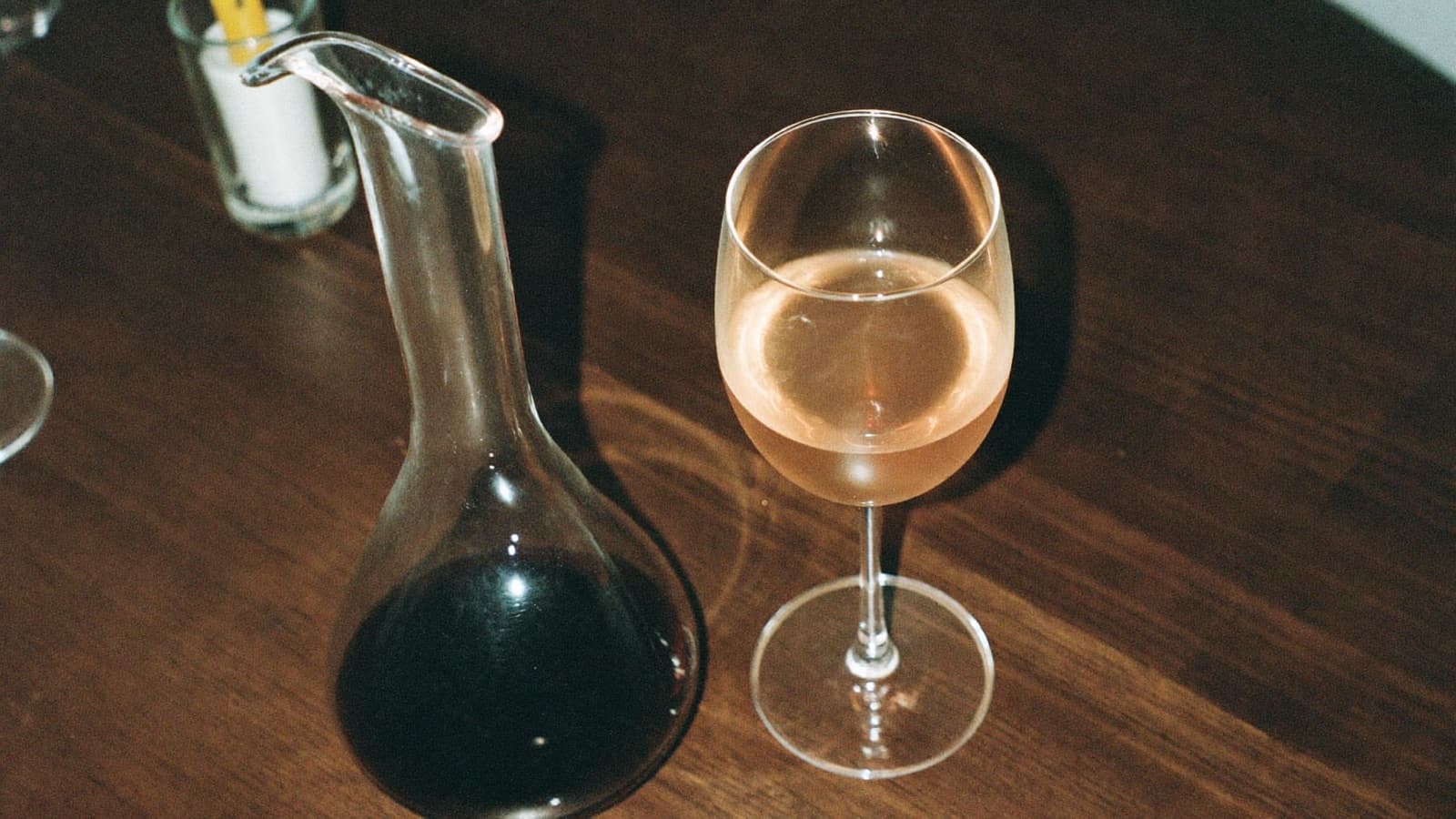
Nebbiolo is a red grape grown almost exclusively in the Piedmont region of northwest Italy — specifically in two small hillside zones called Barolo and Barbaresco. It makes wines that are, in their youth, a paradox: the color is pale, almost translucent, closer to a dark rosé than a proper red. But the structure is massive — high tannin, high acid, serious weight on the palate.
That combination confuses people. You look at the glass and expect something light and fruity. You take a sip and find something that grips your gums and dries your mouth like a firm handshake from someone who means business.
This is not a flaw. This is the whole point.
The Payoff: Why People Become Obsessed
Young Barolo is like meeting someone who turns out to be remarkable — but on the first encounter, they're just kind of a lot.
Given time — say, 10 to 15 years in a proper bottle — Nebbiolo transforms into something almost unbelievable:
The aroma profile on an aged Barolo is unlike anything else in wine:
- Roses. Not rose-adjacent. Actually roses — the old-fashioned kind your grandmother had in the garden
- Tar. Not unpleasant — more like the memory of a summer road
- Dried cherries and cranberries
- Leather and earth
- Dried violets and tobacco
- Truffle, if you're lucky enough to be drinking something old and serious
Italian wine writers call it catrame e rose — tar and roses. They're not being poetic. The wine literally smells like both things simultaneously and the combination is haunting.
The tannins that were so aggressive at 3 years become silky at 12. The acid that made everything feel sharp integrates into a bright, food-friendly backbone. The wine becomes something you keep pouring glasses of while you're supposed to be talking.
Barolo vs. Barbaresco: The Fast Answer
Barolo is bigger, more structured, more tannic, needs more age. If Barolo is the king, it's a king who makes you wait in the lobby for a while before the audience.
Barbaresco is Barolo's neighbor and often described as slightly more approachable — a bit more finesse, a bit less brute force. Wines from producers like Gaja, Bruno Giacosa, and Produttori del Barbaresco are the entry point many people use when the first Barolo is too much.
Think of it this way: if Barolo is the long, difficult novel that everyone says you have to read, Barbaresco is the same author's short story collection. Still extraordinary, lower barrier to entry.
The Cheapest Way In: Langhe Nebbiolo
Here's the part the wine shops don't always volunteer: you can drink Nebbiolo without paying Barolo prices.
Langhe Nebbiolo is the same grape, grown in the same region, made to be drunk young. Where Barolo might need 5-10 years of cellaring to fully open up, Langhe Nebbiolo is approachable at 2-3 years. It shows you the rose petal and cherry character without requiring you to win a waiting game.
Good bottles run $18–$35 retail. This is the gateway. This is the version you bring to dinner parties when you want someone to ask what they're drinking.
Start here. Not at $80 Barolo.
How to Actually Drink Barolo
If you do splurge on a real Barolo, a few things matter:
Temperature: Serve at 62–65°F (16–18°C). Too cold and it goes mute. Too warm and the alcohol becomes prominent in a way that isn't pleasant.
Decant it. Pour it into a decanter 30–60 minutes before you plan to drink. Young Barolo especially needs to breathe. Without decanting, you're meeting the wine in its defensive posture. With 45 minutes of air, it starts to show you what it actually is.
The glass matters more here than with most wines. Use a large-bowled Burgundy glass if you have one. Nebbiolo's aromas — those roses and tar — need room to develop. A small juice glass is genuinely doing you a disservice.
Don't drink it with anything that competes. Barolo wants: braised short rib, slow-cooked lamb, truffled risotto, aged Parmigiano, wild boar ragu. It does not want: spicy food (the tannins will amplify the heat), anything with a lot of sweetness, or a lightweight meal that it will simply overwhelm.
The Producers to Know
You don't need to memorize fifty names. Know these:
Entry Level ($30–$60 Barolo, $18–$30 Langhe):
- Vietti — consistent, widely available, excellent value
- Michele Chiarlo — reliable across the range
- Elvio Cogno — excellent Langhe Nebbiolo for about $22
- Produttori del Barbaresco — the cooperative that punches far above its price
Serious ($60–$120 Barolo):
- Giacomo Conterno — the reference point traditionalist
- Bartolo Mascarello — handmade, limited, worth finding
- Bruno Giacosa — peaks at extraordinary and doesn't fall far from it
- Gaja — famous, expensive, and earns it
If you see it on a restaurant list: Any Barolo from a producer you recognize with at least 7-8 years of age is worth a serious look. A 2015 or 2016 Barolo right now is in a beautiful window — the tannins have softened, the fruit is still there, and the complexity has had time to develop.
The One Sentence to Say to a Sommelier
You're at a restaurant. You want to get into Nebbiolo without committing to a $150 bottle. Say this:
"Do you have a Langhe Nebbiolo or a Barbaresco by the glass? I want to try Nebbiolo but I'm not ready to commit to a full bottle of Barolo yet."
Any sommelier worth their tasting spoon will love you for that sentence. They'll pour you something good, explain what you're drinking, and probably tell you which Barolo on the list to save for next time.
That's the whole move. Langhe Nebbiolo now, Barolo later.
You'll thank yourself in about forty-five minutes.