

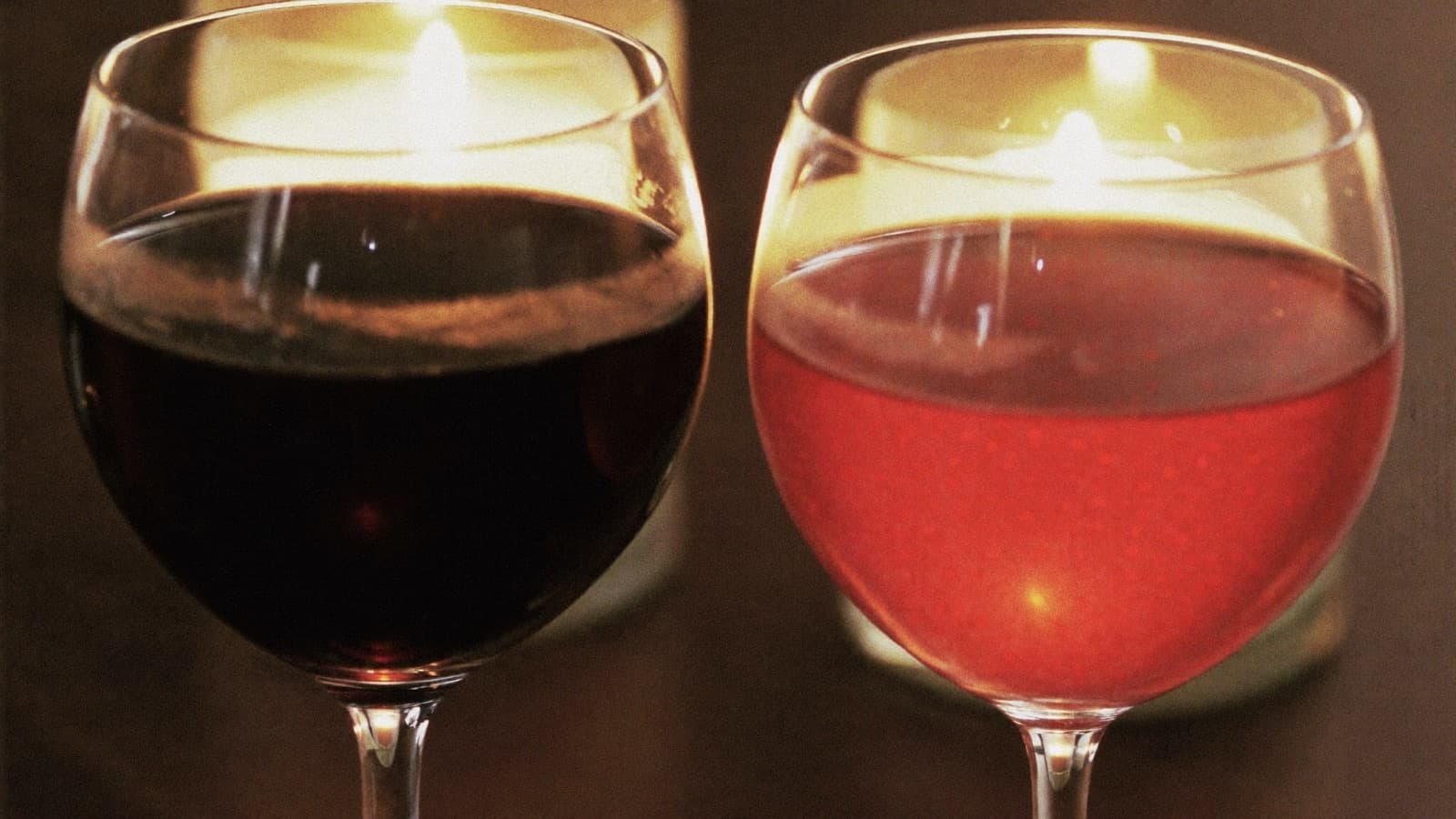
If red wine had a heavyweight division and a middleweight division, Cabernet Sauvignon would hold the heavyweight belt and Pinot Noir would rule the middleweights. They're the two most recognized red wines in the world, they appear on every restaurant list, and they deliver completely different experiences.
Choosing between them isn't a matter of which is superior. It's a matter of which is right for the moment.
The Quick Distinction
Cabernet Sauvignon is bold, structured, tannic, and powerful. Think blackcurrant, cedar, dark chocolate, and a grip that sticks around. It's the wine that commands the table.
Pinot Noir is elegant, silky, lighter-bodied, and nuanced. Think cherry, raspberry, mushroom, and a finish that floats. It's the wine that charms the table.
One is a handshake. The other is a whisper. Both leave an impression.
Flavor Profiles
Cabernet Sauvignon
The backbone of Bordeaux and the crown jewel of Napa Valley. Cabernet Sauvignon is the world's most widely planted premium red grape, and it earns that status with sheer personality.
Primary flavors: Blackcurrant (cassis), black cherry, plum, blackberry.
Secondary notes: Cedar, tobacco, vanilla, dark chocolate, green bell pepper (in cooler climates or underripe fruit), eucalyptus, leather.
Oak influence: Almost always aged in oak barrels, which adds vanilla, spice, toast, and structural tannins on top of the grape's natural tannins.
Body: Full. Cab is one of the heaviest, densest red wines you'll encounter. It coats your mouth and doesn't let go. Much of Cabernet's power comes from tannins—compounds in the grape skins that create that gripping sensation and allow the wine to evolve for decades.
Pinot Noir
The heartbreak grape. Pinot Noir is notoriously difficult to grow, painfully sensitive to climate, and produces wines of ethereal beauty when everything goes right. It's the grape of Burgundy, and it rewards patience and attention.
Primary flavors: Cherry, raspberry, strawberry, cranberry.
Secondary notes: Mushroom, forest floor, earth, violets, clove, cinnamon, wet leaves. Aged Pinot develops truffle, leather, and dried rose petal.
Oak influence: Often aged in oak, but the oak treatment is usually lighter than Cabernet. The goal is to complement, not dominate.
Body: Light to medium. Pinot Noir is translucent in the glass and gentle on the palate. Its power comes from finesse, not force.
The Head-to-Head Comparison
| Attribute | Cabernet Sauvignon | Pinot Noir |
|---|---|---|
| Body | Full | Light to medium |
| Tannin | High | Low to medium |
| Acidity | Medium | Medium to high |
| Typical ABV | 13.5–15.5% | 12.5–14.5% |
| Color | Deep, opaque | Pale, translucent |
| Key flavors | Blackcurrant, cedar, chocolate | Cherry, raspberry, earth |
| Oak use | Heavy | Light to moderate |
| Aging potential | 10–30+ years (top examples) | 5–20+ years (top examples) |
| Calories (5 oz) | 130–150 | 120–135 |
| Best temp | 60–65°F | 55–62°F |
Where They're Grown Best
Cabernet Sauvignon's Greatest Hits
Napa Valley, California: The fullest, ripest, most powerful style. Blackberry, chocolate, vanilla. Prices range from $15 to $500.
Bordeaux (Left Bank), France: More structured and austere. Usually blended with Merlot and Cabernet Franc. Cassis, graphite, tobacco. The standard-bearer for age-worthy Cabernet.
Coonawarra, Australia: Minty, eucalyptus-tinged Cabernet at excellent value. Underrated region.
Maipo Valley, Chile: Ripe, approachable, and shockingly good for the price. Some of the best sub-$15 Cabs in the world.
Pinot Noir's Greatest Hits
Burgundy, France: The spiritual home. The most complex, terroir-driven, and expensive Pinot Noir on Earth. Ranges from rustic village wine to transcendent Grand Cru.
Oregon (Willamette Valley): America's best Pinot Noir region. Earthy, elegant, with bright red fruit. Often described as "the closest thing to Burgundy outside of France."
New Zealand (Central Otago, Martinborough): Rich, ripe, and fruit-forward, but with enough structure to feel serious.
Sonoma Coast / Russian River Valley, California: Riper and richer than Oregon, with plummy fruit and velvety texture. The California interpretation.
Food Pairing: The Great Divide
This is where the Cab vs. Pinot decision really crystallizes.
Cabernet Sauvignon Pairs Best With:
Ribeye and NY Strip. The classic steakhouse red. Tannins melt into fat. See our full guide on wine pairings with steak for more details on matching specific cuts and preparation styles.
Lamb (grilled chops, rack, braised shank). Cabernet's herbal undertones match lamb's gamey richness.
Hard, aged cheeses. Parmigiano-Reggiano, aged cheddar, Manchego. Tannins love protein.
Braised and stewed meats. Short ribs, osso buco, beef bourguignon.
Dark chocolate desserts. The wine's dark fruit meets the dessert's bitterness in a surprisingly elegant way.
Pinot Noir Pairs Best With:
Salmon. The single most-cited Pinot Noir pairing, and it lives up to the hype. Oregon Pinot with grilled salmon is sublime.
Roast chicken and duck. Medium-weight proteins that match Pinot's medium body.
Mushroom dishes. Pinot Noir's earthy character and mushrooms' earthy character are best friends.
Charcuterie and pâté. The wine's acidity and light tannin cut through richness without overpowering delicate flavors.
Thanksgiving dinner. Turkey, cranberry, stuffing, sweet potatoes. The whole table works with Pinot Noir because it's medium-weight and versatile.
Sushi and tuna tartare. Pinot is the red wine that works with fish because its light body and low tannin don't overwhelm.
The Choose-Your-Adventure at a Restaurant
| Your main course... | Order... |
|---|---|
| Steak (any cut) | Cabernet Sauvignon |
| Lamb chops | Cabernet Sauvignon |
| Salmon | Pinot Noir |
| Duck | Pinot Noir |
| Roast chicken | Pinot Noir |
| Mushroom risotto | Pinot Noir |
| Braised short ribs | Cabernet Sauvignon |
| Burger | Either (Cab for charred, Pinot for lighter toppings) |
| Pasta with meat sauce | Cabernet Sauvignon |
| Charcuterie board | Pinot Noir |
Price and Value Considerations
Cabernet Sauvignon offers excellent value at the entry level. Chile and Argentina produce outstanding Cabs under $15. Mid-range options from Paso Robles and Washington State ($18-30) punch above their weight. The ceiling is high, with Napa cult wines exceeding $200, but you don't need to go anywhere near that to drink well.
Pinot Noir is generally more expensive at every level. The grape yields less fruit per vine, is harder to grow, and demands more attention in the cellar. A good entry-level Pinot starts around $14-18 (Oregon, New Zealand), with mid-range bottles running $20-40. Burgundy at any quality level starts at $25 and escalates quickly.
Best values by region:
| Wine | Great Value Range | Where to Look |
|---|---|---|
| Cabernet Sauvignon | $10–15 | Chile, Argentina |
| Cabernet Sauvignon | $18–30 | Paso Robles, Washington State |
| Pinot Noir | $14–20 | Oregon, New Zealand |
| Pinot Noir | $20–35 | Burgundy (Bourgogne level), Sonoma Coast |
Ordering Cab vs. Pinot at a Restaurant
The restaurant wine list is where this decision becomes truly practical. If you're at a steakhouse, the list will be heavy on Cabernet Sauvignon—that's intentional, and it's the right move. Steakhouse chefs know their clientele orders beef, and they've curated their wine list accordingly. A quality Cabernet at $45–80 will pair beautifully with your ribeye or porterhouse. If you see a Pinot Noir on a steakhouse list, it's usually a smaller selection for the lighter eaters.
Flip the script at a French bistro or upscale casual restaurant. You'll notice the emphasis shifts toward Pinot Noir, especially if the menu leans into chicken, duck, mushroom dishes, or lighter proteins. Bistros reflect European sensibilities, where Pinot is the red of choice. You might find excellent Burgundy options (premium-priced) and Oregon Pinots (better value).
Price expectations differ dramatically by venue. That Napa Cabernet you're eyeing? Restaurant markups can run 3x the retail price, so a $50 bottle becomes a $150 list price. Pinot Noir, especially from Oregon or New Zealand, often has slightly better restaurant value simply because less hype surrounds it. Still pricey, but the markups tend to be slightly more reasonable.
When in doubt, ask your server or sommelier which red makes sense for your meal. If you're eating a medium-rare steak, they'll almost certainly recommend Cabernet. If you're sharing a mixed table with duck, chicken, and seafood, they might steer you toward Pinot Noir as the more versatile option. This is exactly what learning to order wine properly is about—using your server's expertise to narrow the field and make a smarter choice.
The Verdict (There Isn't One)
Cabernet Sauvignon and Pinot Noir are not competitors. They're different tools for different occasions.
Cab is what you drink when you want to feel the wine's power: a celebration steak dinner, a cold night by a fire, a bottle you want to remember.
Pinot is what you drink when you want the wine to elevate the food: a nuanced meal with multiple courses, an autumn gathering, a bottle that makes everything around it taste better.
The best wine drinkers love both and know when to choose each. Start with whichever appeals to you, eventually try the other, and own the fact that different nights call for different reds.