

Wine 101
Practical wine knowledge for people who eat at restaurants. No jargon, no history lectures, no pretension. Just the stuff that helps you order better and enjoy more.
Restaurant Skills
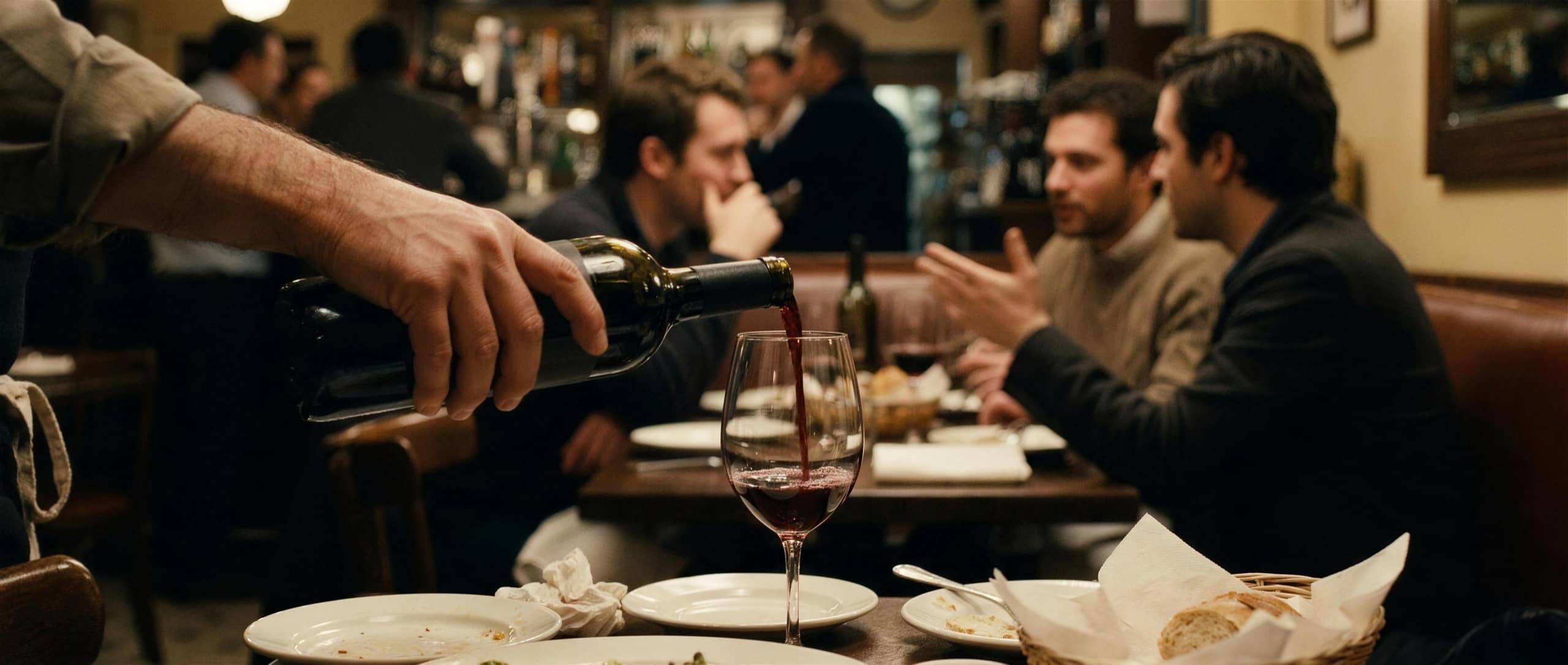
How to Order Wine at a Restaurant Without Feeling Lost
A step-by-step guide to ordering wine at restaurants with confidence. From scanning the list to handling the tasting ritual, here's everything you need.
8 min read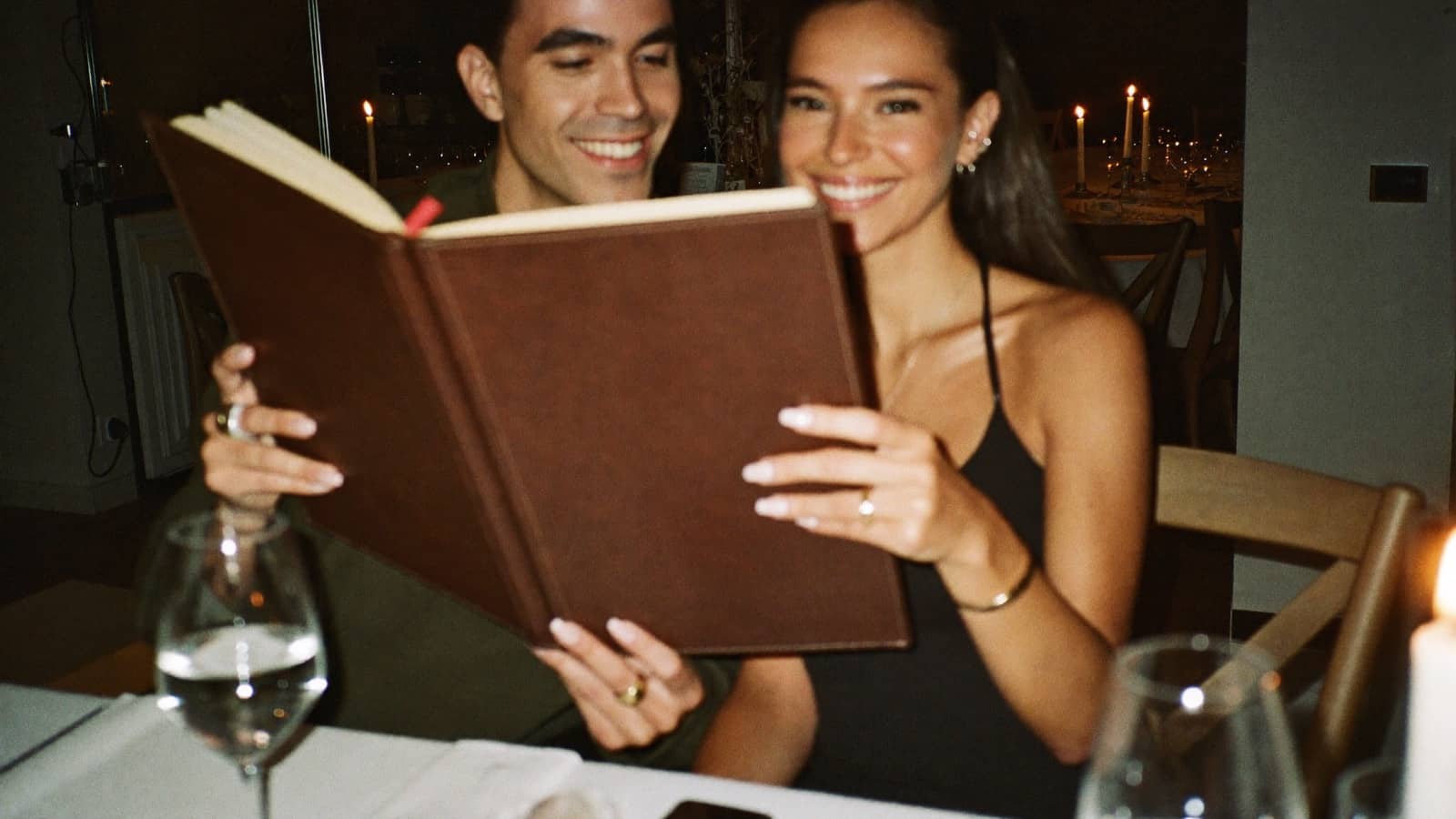
How to Read a Wine List Like You've Done It a Hundred Times
A tactical guide to decoding restaurant wine lists. Where the values hide, how markups work, and how to pick a winner in under two minutes.
8 min read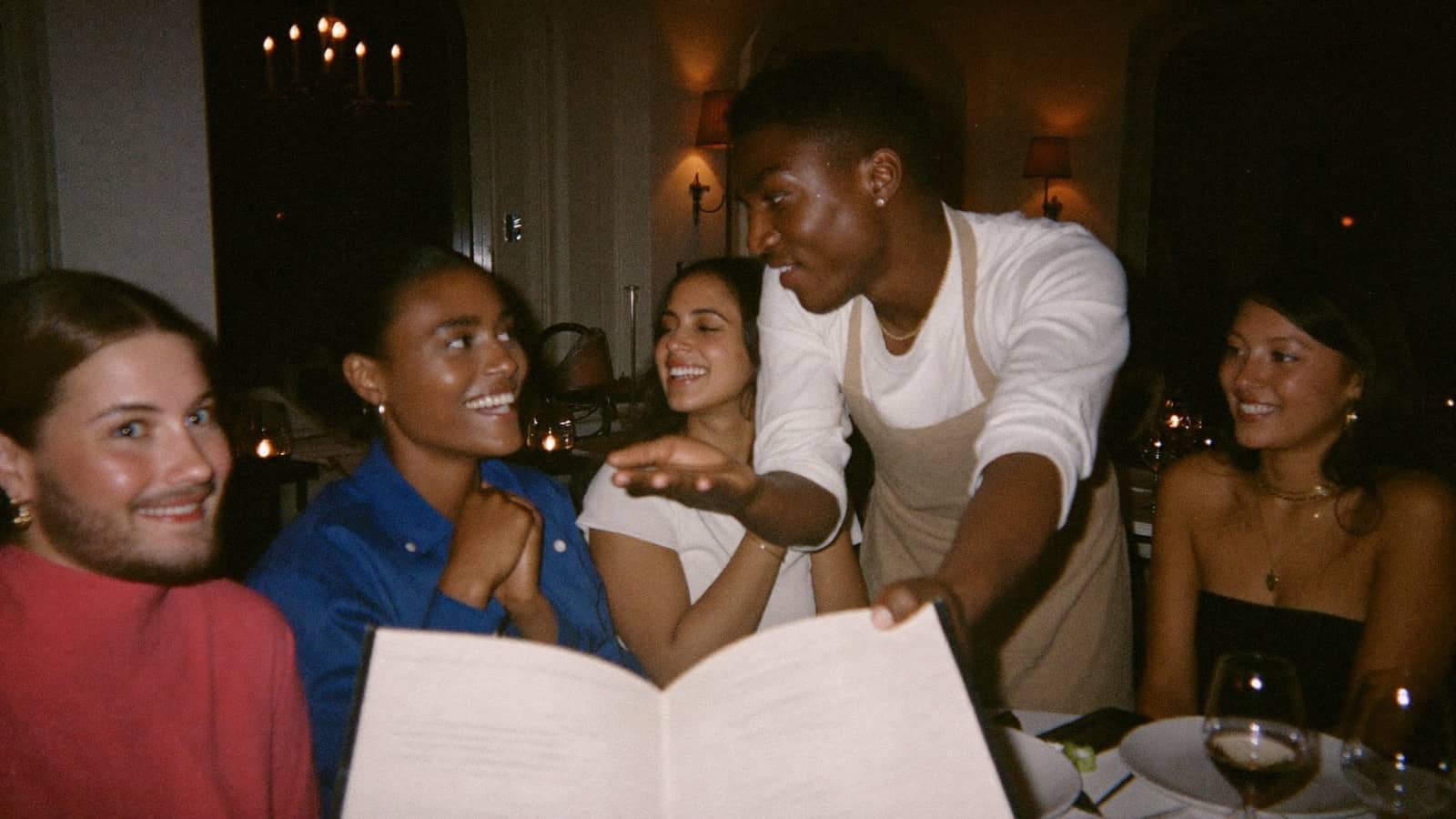
How to Talk to a Sommelier (They Actually Want to Help You)
Exact phrases to use, how to set a budget discreetly, the tasting ritual decoded, and why sommeliers actually want to help you.
7 min read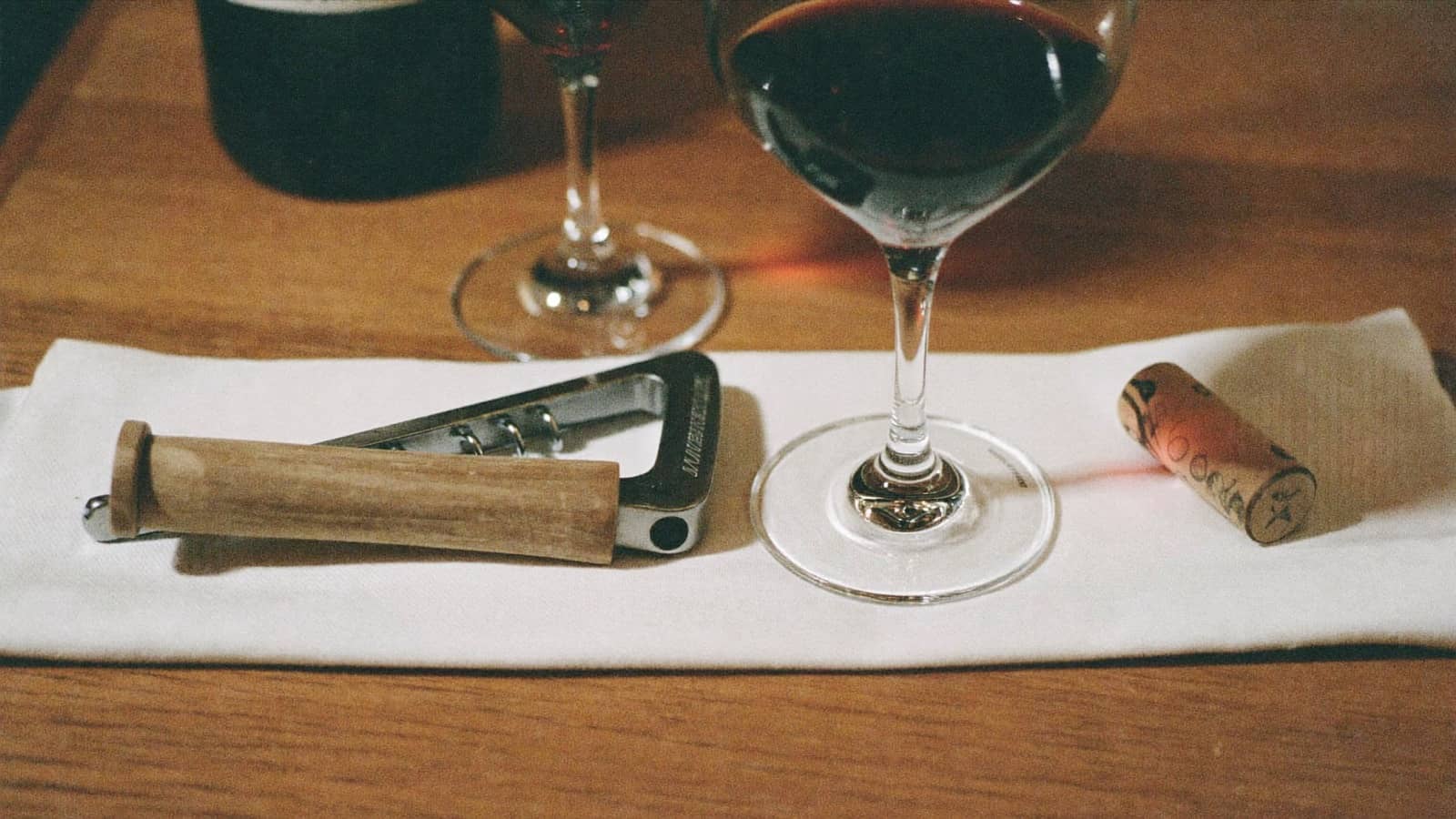
BYOB Wine at Restaurants: Corkage Fees and Etiquette
A complete guide to bringing your own wine to a restaurant. How corkage fees work, what's appropriate, and when BYOB actually saves you money.
7 min read
The Châteauneuf-du-Pape Wine List Hack
Châteauneuf-du-Pape on a wine list signals someone cares. The history, the 13 grapes, and why this wine is a shortcut to reading any restaurant.
9 min read
Wine on a First Date: What to Order, What to Avoid, and What Not to Say
The wine you order on a first date sends signals. Some of them are good. Here's how to use wine to your advantage — and the specific choices that will quietly undermine you.
6 min read
How Wine Gets Priced at Restaurants (And How to Use That Knowledge)
Restaurants mark wine up 2–4x retail. This is not a secret. What's less known is exactly where the value hides on every wine list — and how to find it in under 60 seconds.
7 min read
What Does It Mean When a Wine Is 'Corked'? (And How to Send a Bottle Back)
Corked wine is a real, common fault — and most people drink it without realizing. Here's how to spot a corked bottle, the faults it's not, and exactly how to send one back without the awkwardness.
8 min readWine Basics
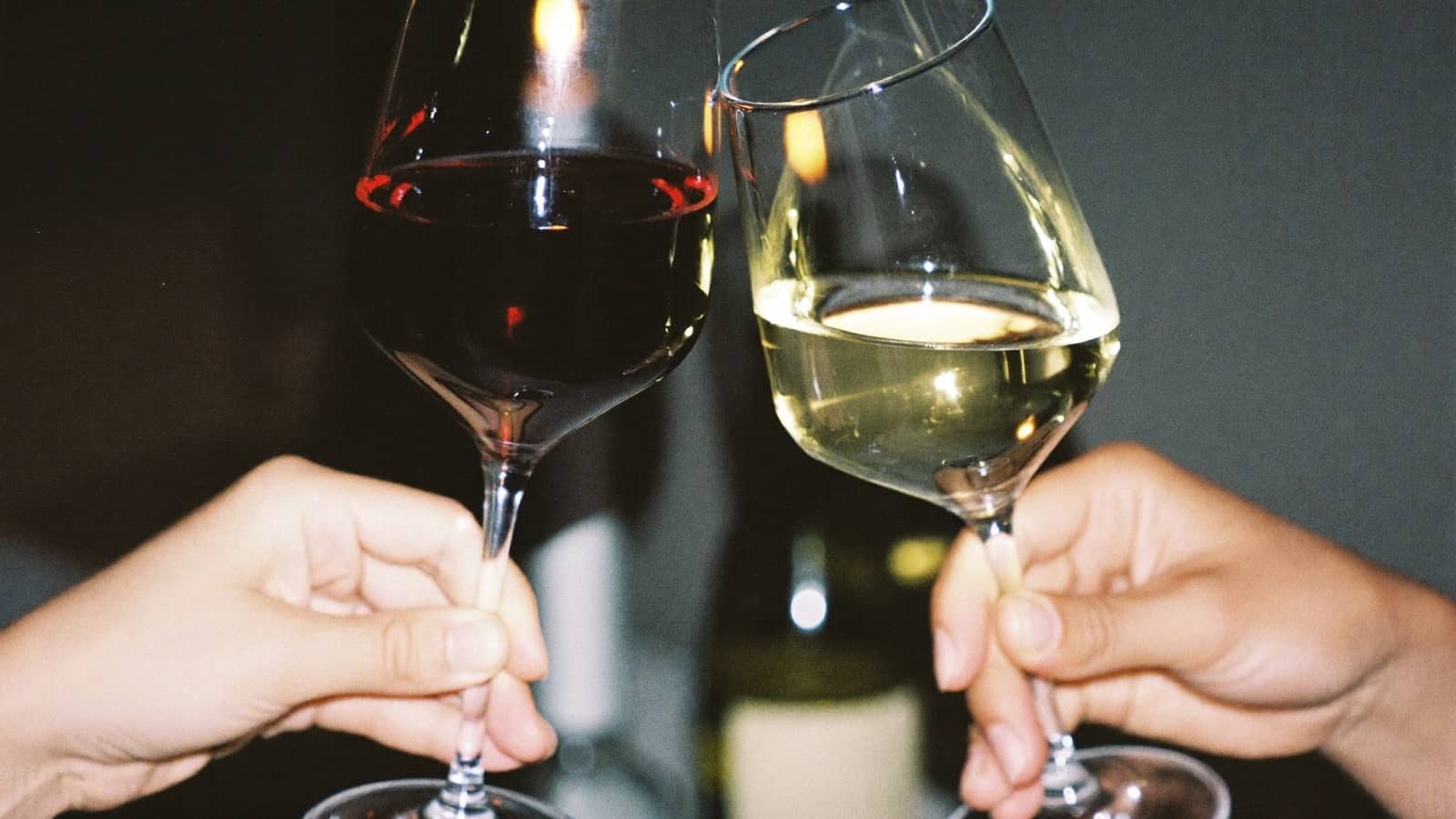
Red Wine vs. White Wine: What's Actually the Difference?
Beyond color: how red and white wines differ in how they're made, what they taste like, and when to choose one over the other.
7 min read
What Does "Dry Wine" Actually Mean?
Dry doesn't mean what you think. Here's the real definition, how to spot dry wines on a menu, and why fruity doesn't equal sweet.
7 min read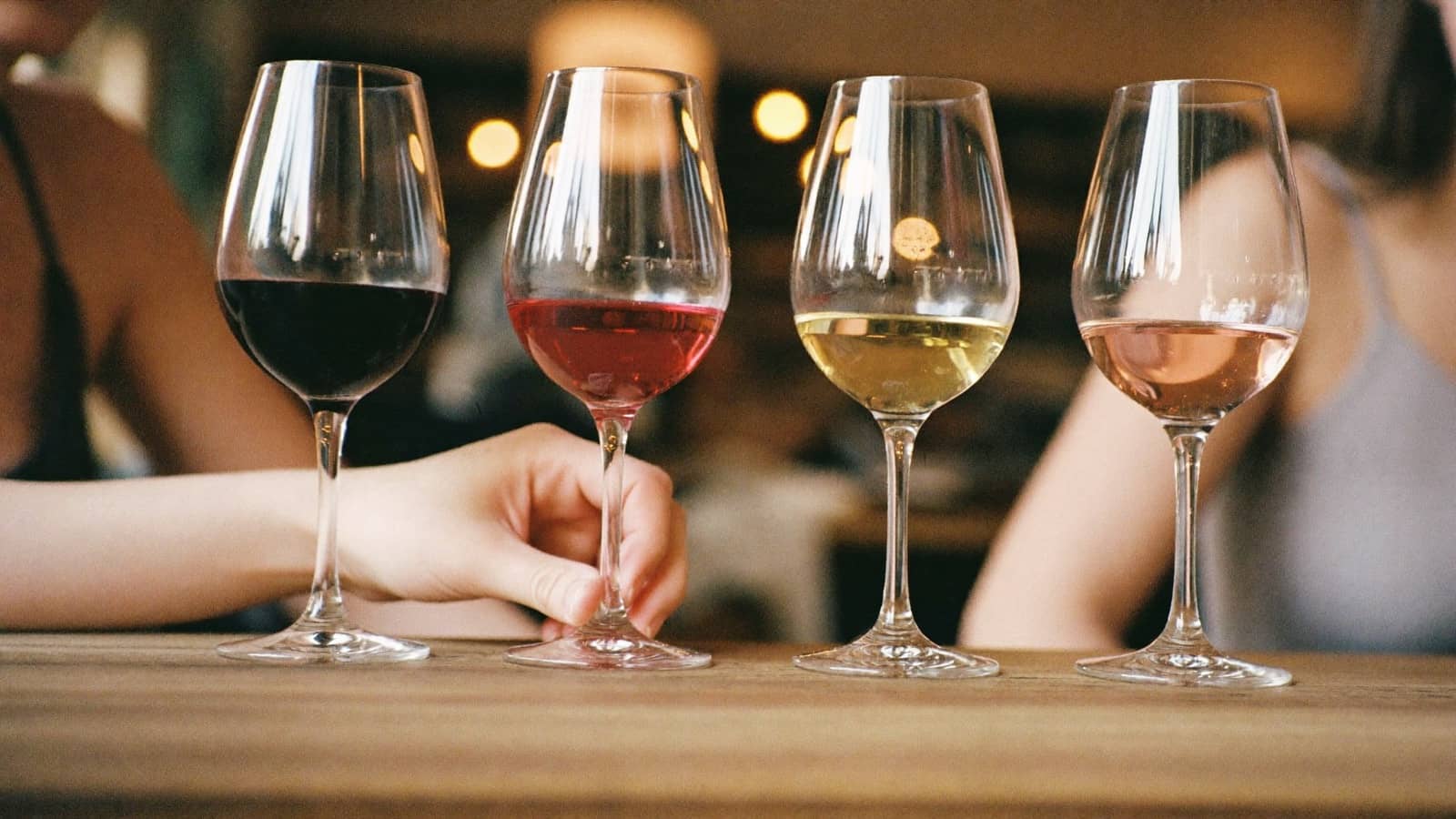
The Best Wines for Beginners: Where to Start If You Know Nothing
A no-judgment guide to approachable wines that won't overwhelm a new palate. Whites, reds, rosé, and sparkling with specific picks under $15.
8 min read
How Many Glasses of Wine Are in a Bottle?
Standard pours, bottle math, and how to figure out when a bottle saves you money at a restaurant. Plus every bottle size explained.
6 min read
How to Read a Wine Label (And Know What You're Buying)
A visual guide to every element on a wine label. Varietal, region, vintage, ABV, producer, and which terms actually mean something.
8 min read
What Is Tannin in Wine? Why Some Wines Taste Bitter
A friendly explanation of tannins — what they are, where they come from, why they matter, and how to find wines with more or fewer tannins.
7 min read
What Is Rosé Wine, and Why Is Everyone Drinking It?
How rosé is actually made, why it ranges from bone-dry to sweet, the major styles by region, and how to find the rosé you'll love year-round.
8 min read
How to Store Wine at Home Without a Wine Cellar or Excuses
You don't need a cellar. You don't need a fancy refrigerator. You need to stop doing the three things that are silently killing your bottles right now.
6 min read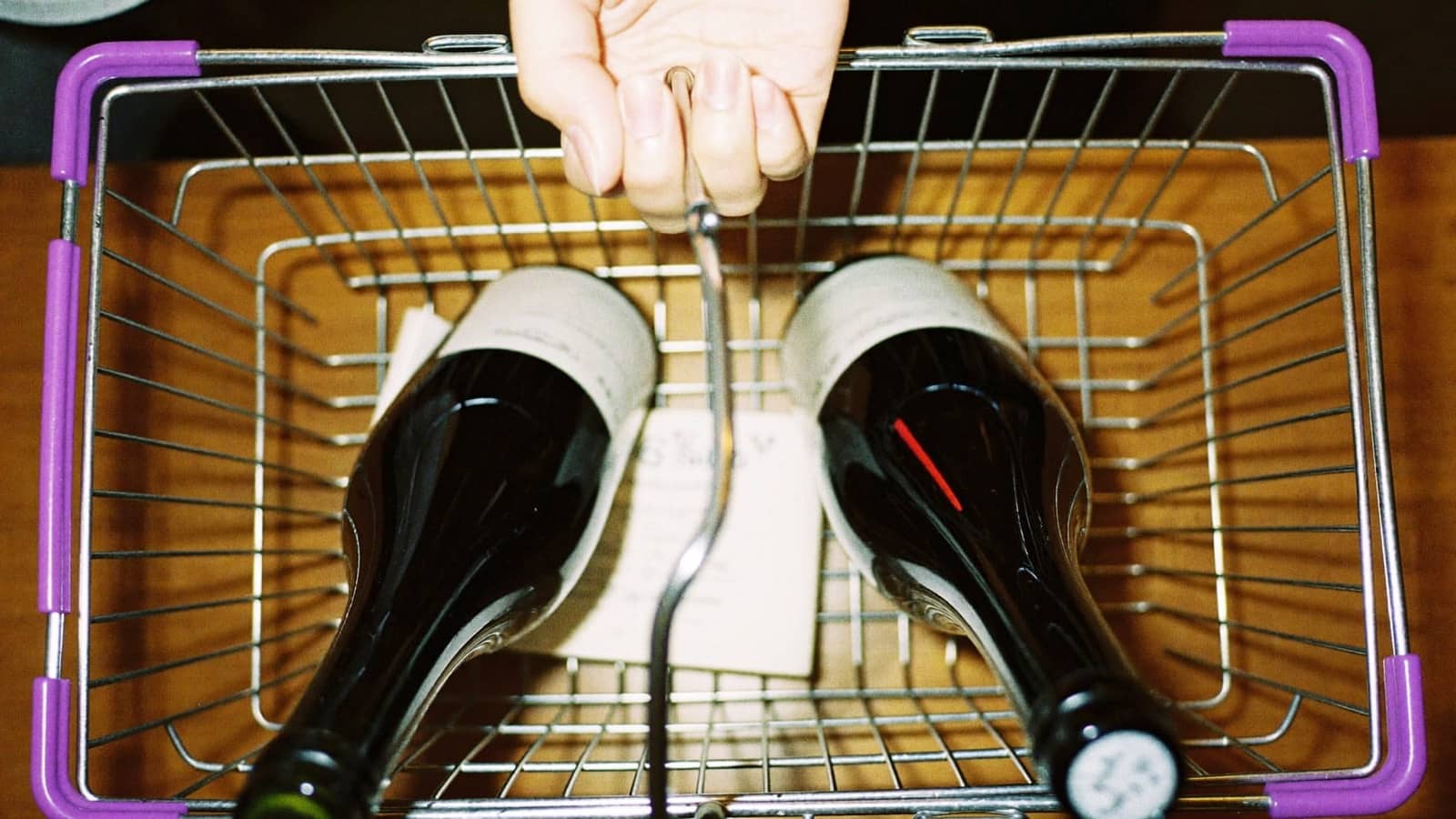
How to Pick Wine at a Grocery Store Without Standing There for 15 Minutes
The grocery store wine aisle is designed to overwhelm you into grabbing something familiar or expensive. Here's the exact system for finding a genuinely good bottle in under 90 seconds.
6 min read
Old World vs. New World Wine: What It Actually Means and Why It Matters at the Table
Old World and New World is one of wine's most useful concepts — and the way it's usually explained makes it sound like a European history quiz. Here's the version that actually helps you order better wine.
7 min read
How to Build a Home Wine Collection Without a Cellar, a Spreadsheet, or a Trust Fund
A real home wine collection is 24 bottles or fewer, organized by purpose, and built for the life you actually live. Here's the exact framework — and which bottles to buy first.
8 min readWine Varieties
Nebbiolo and Barolo: Italy's Most Intimidating Grape, Explained
Barolo is called the King of Italian wines, which makes most people politely nod and order the Malbec. Here's why that's the wrong move, and how to get into Nebbiolo without a PhD or a second mortgage.
8 min read
What Is Châteauneuf-du-Pape? The 13-Grape Wine Worth Knowing
Châteauneuf-du-Pape is the Southern Rhône's flagship red — up to 13 grapes, Grenache at its heart, a papal backstory, and the ability to age for decades. Here's what it is, how it tastes, and how to drink it well without overpaying.
8 min read
Is Riesling Sweet? The Most Misunderstood White Wine
Riesling can be bone dry or lusciously sweet — and most people guess wrong. Here's how to tell before you buy, what it actually tastes like, and why it might be the best food wine on the menu.
8 min readWine Styles
Orange Wine: What It Is, Why It's Weird, and Why You Should Order It
Orange wine is white wine made like red wine, and it tastes like nothing else on a menu. Here's what it actually is, what to expect, and the exact bottles worth trying tonight.
7 min read
Sparkling Wine Beyond Champagne: Cava, Crémant, Pét-Nat, and Why You've Been Overpaying
Champagne is extraordinary. It's also $25 a glass. Here's the full map of sparkling wine, ranked by value, with specific bottles to order tonight.
7 min readFood Pairing
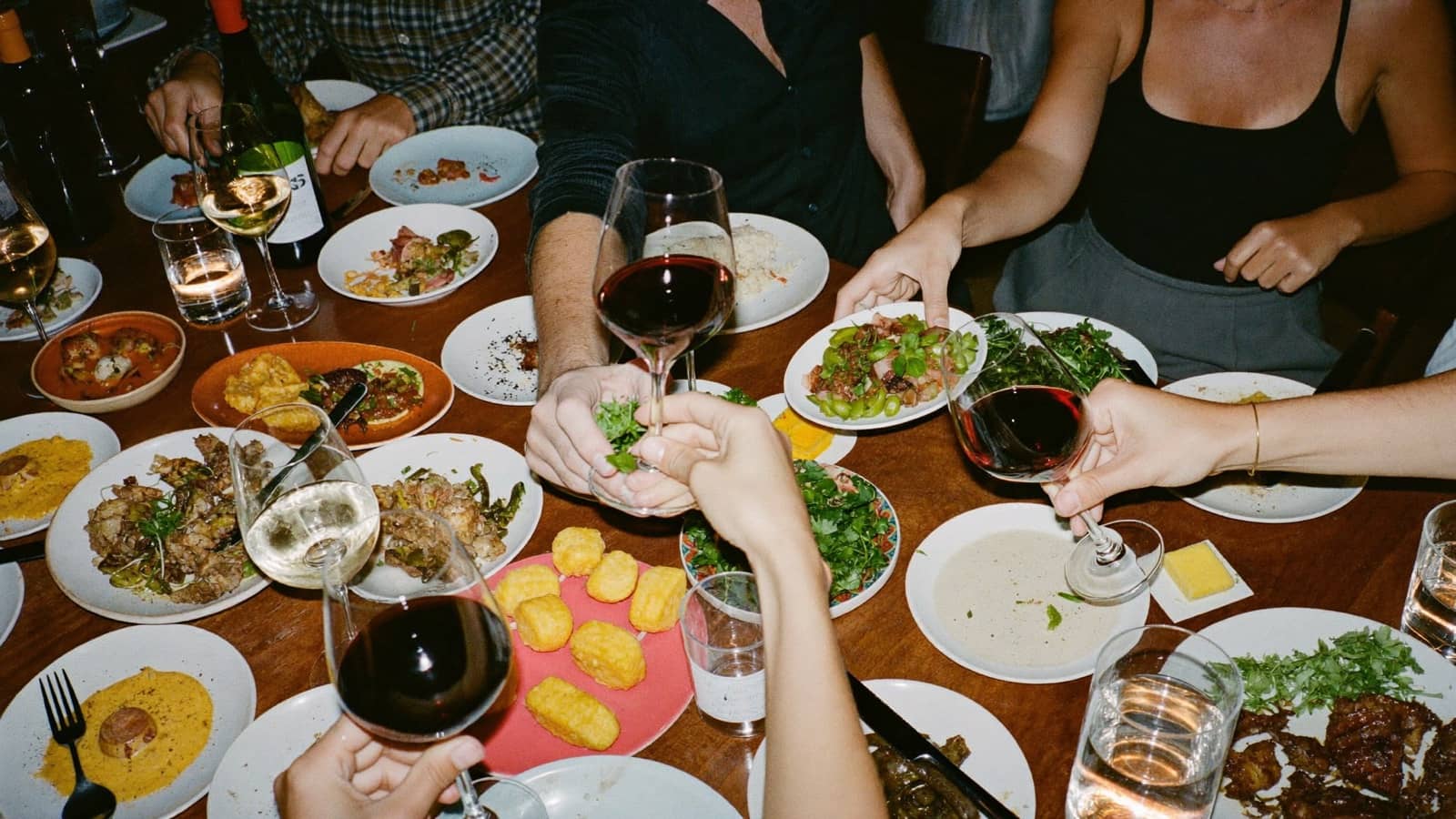
Wine and Food Pairing Made Simple: A Beginner's Cheat Sheet
Forget complicated pairing charts. Here's one golden rule and a practical guide to matching wine with steak, chicken, seafood, pasta, and spicy food.
9 min read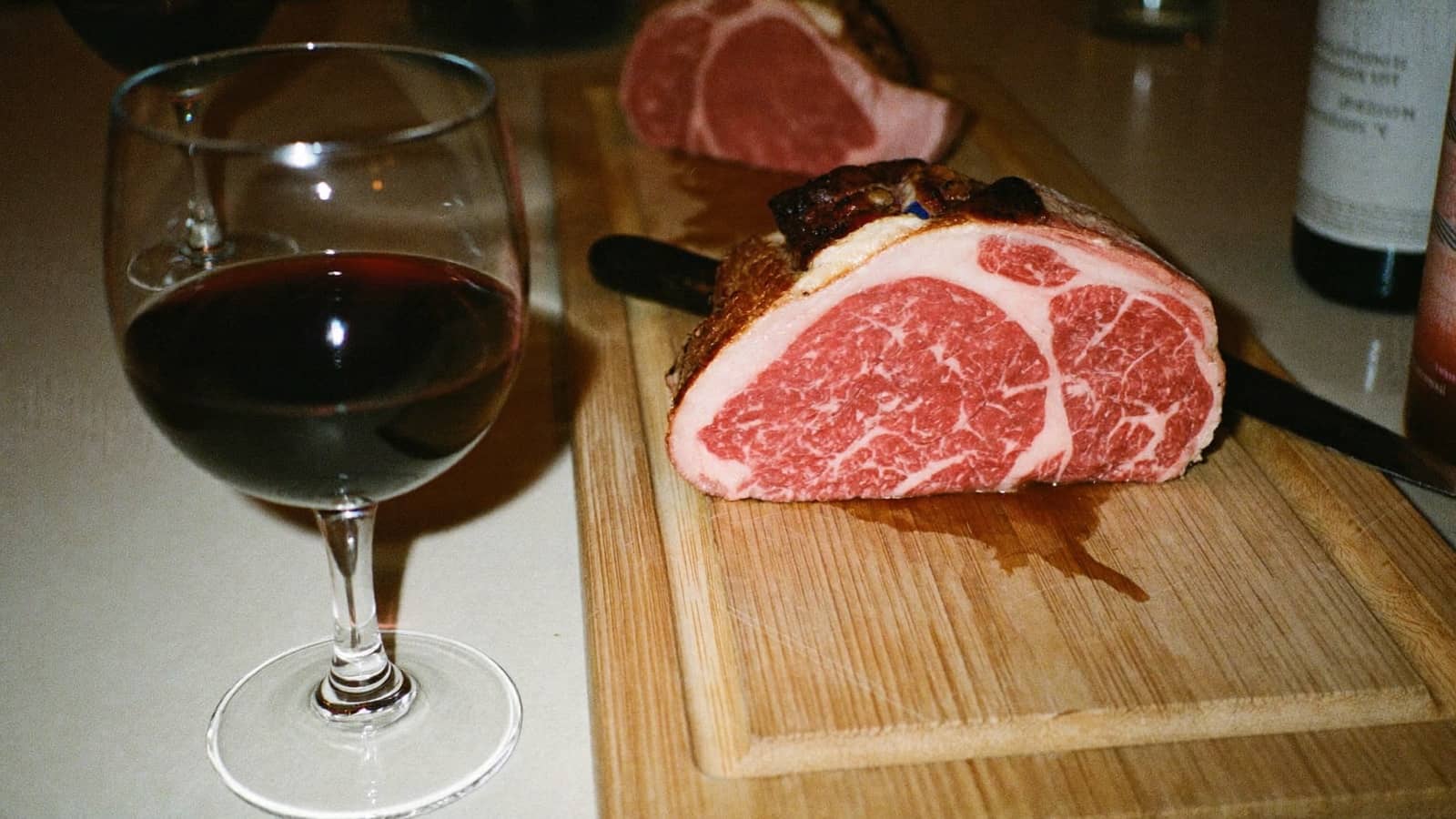
What Wine Goes with Steak? The Definitive Pairing Guide
A cut-by-cut guide to pairing wine with steak. Ribeye, filet mignon, NY Strip, and more, with sauce considerations and a table you can use tonight.
8 min read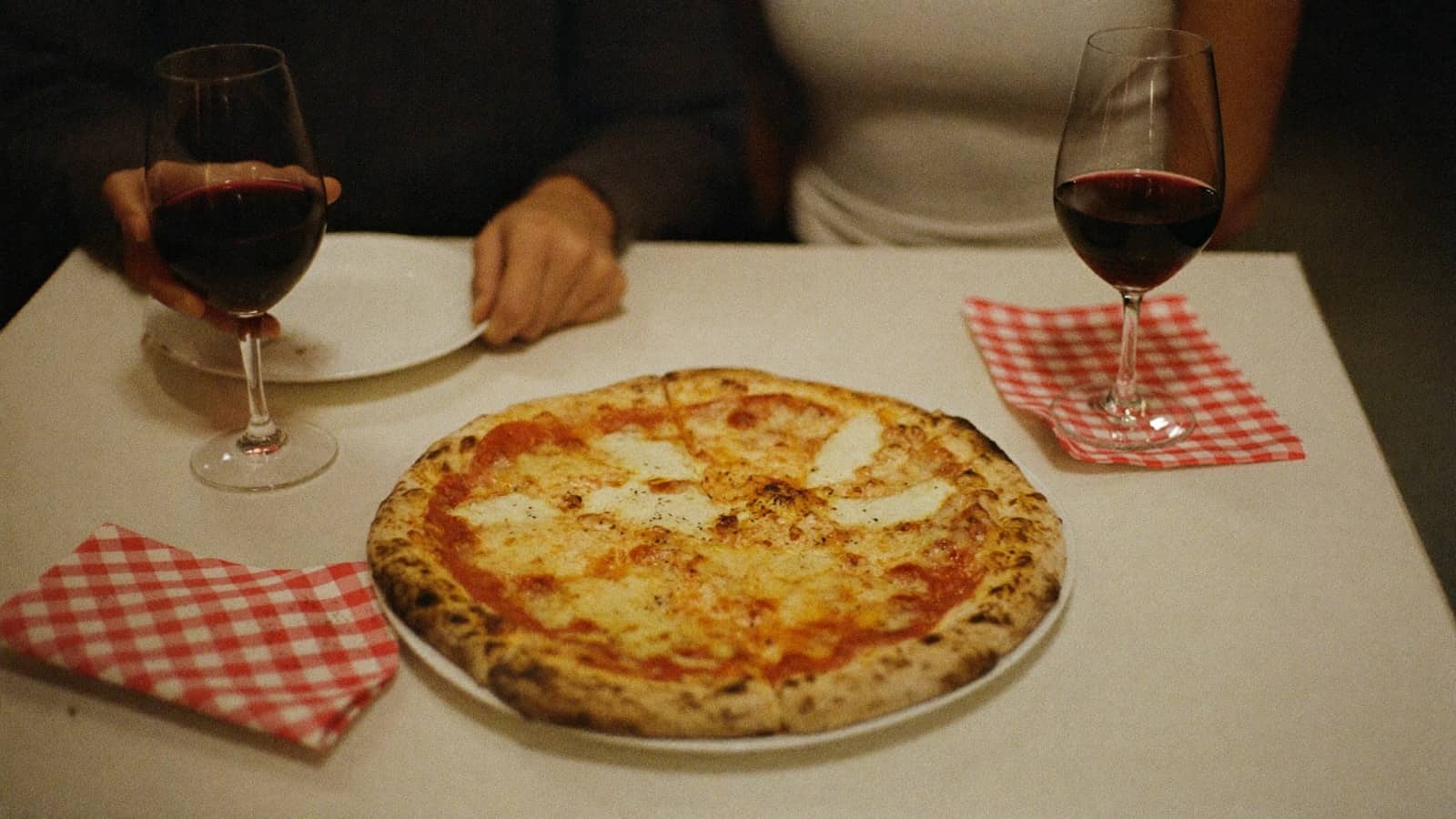
What Wine Goes With Pizza (And Why the Answer Is More Interesting Than You Think)
Pizza is the most democratic food on earth and it deserves a better wine answer than 'whatever's cheap.' Here's the exact pairing for every style of pizza, including the one you order at 11pm.
5 min read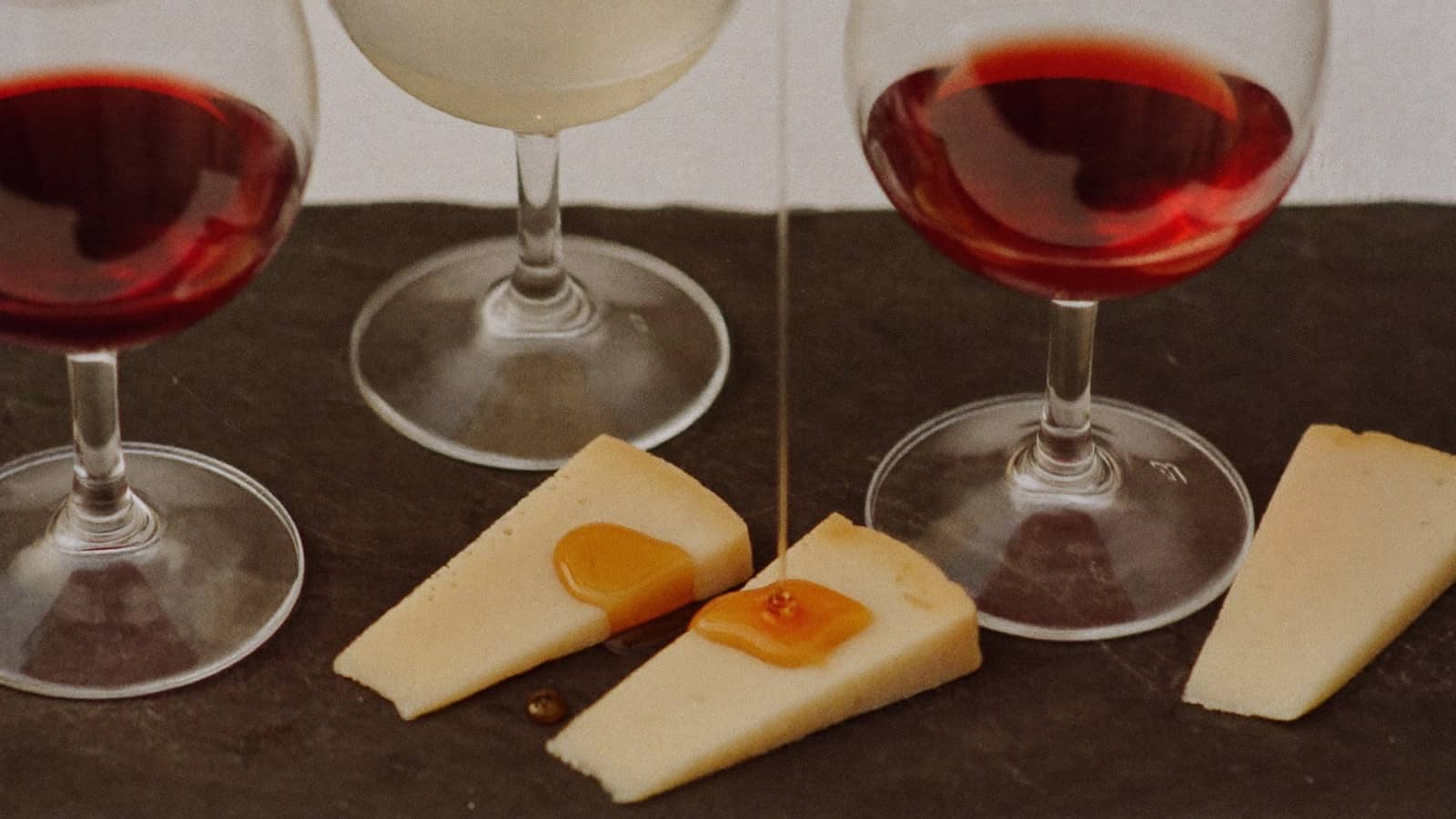
Why Do Wine and Cheese Go So Well Together?
Wine and cheese isn't just tradition — it's chemistry. Here's why they make each other taste better, the myth about red wine, and exactly which wine to pour with every kind of cheese.
9 min readComparisons
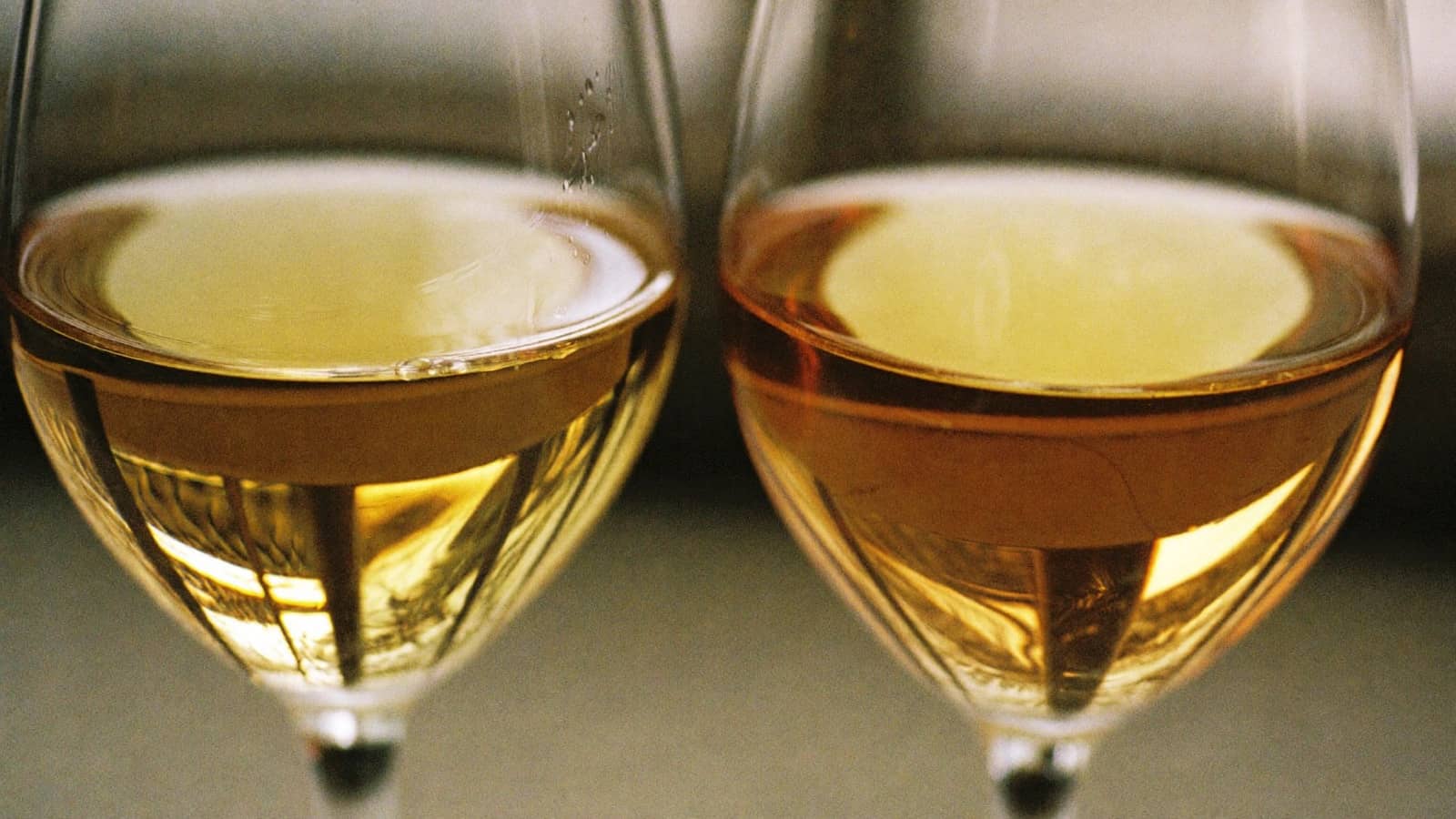
Chardonnay vs. Sauvignon Blanc: Which White Wine Fits?
The world's two most popular whites, head to head. Flavor profiles, body, food pairings, price sweet spots, and when to reach for each at a restaurant.
7 min read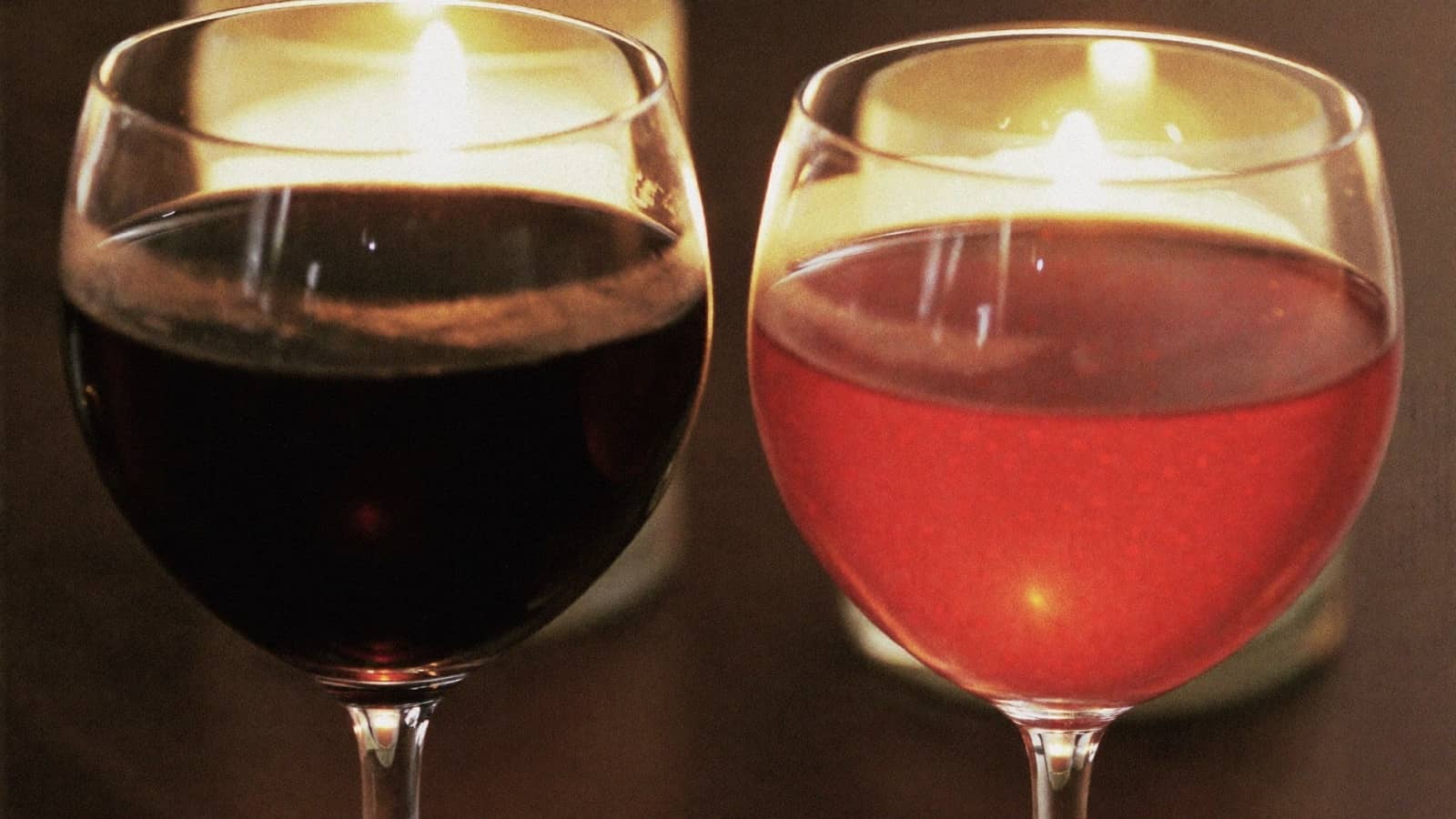
Cabernet Sauvignon vs. Pinot Noir: A Tale of Two Reds
The bold king versus the elegant lightweight. A detailed comparison covering flavor, body, food pairings, and when to reach for each.
7 min read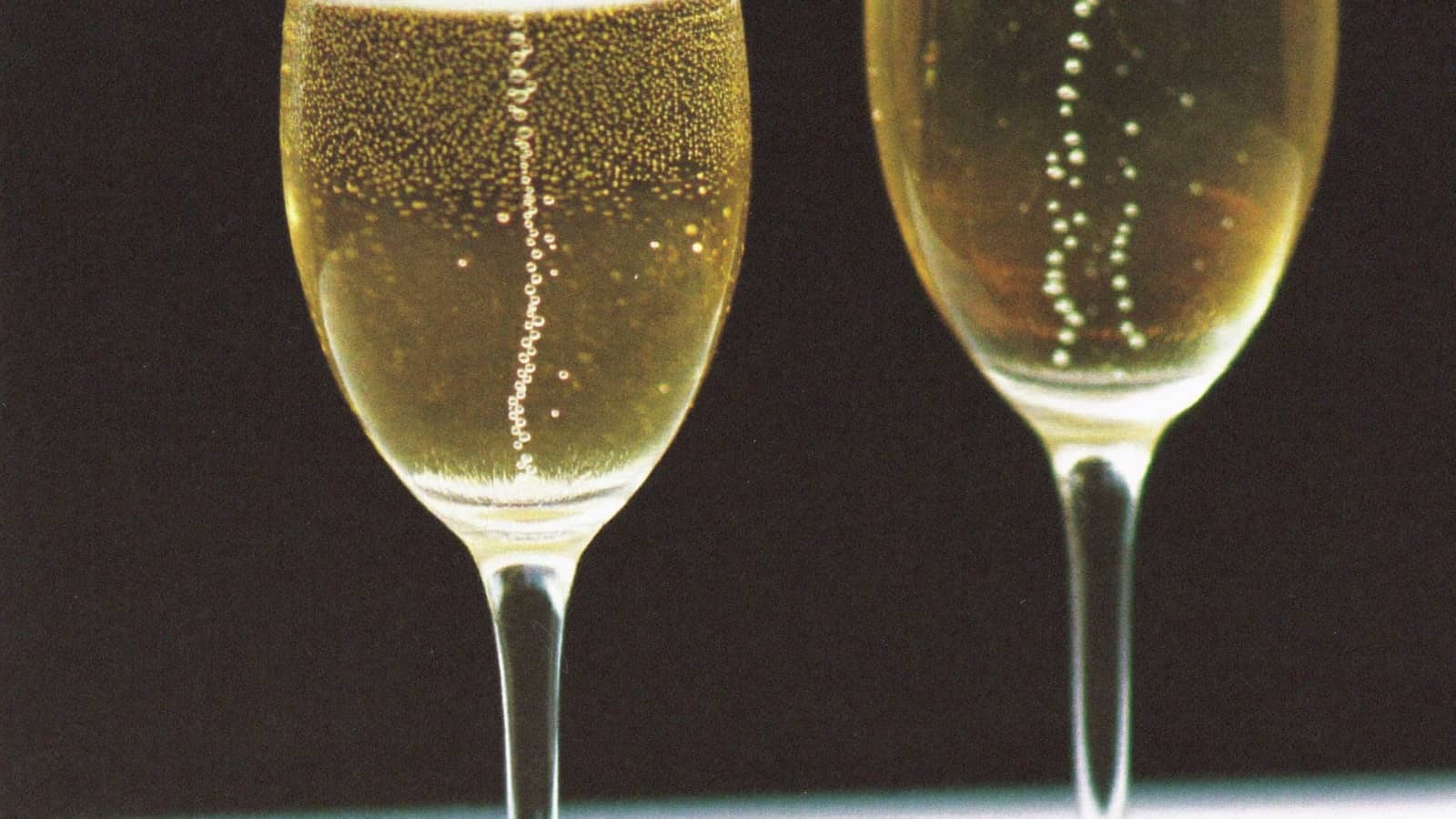
Sparkling Wine vs. Champagne: The Real Difference
All Champagne is sparkling wine, but not all sparkling wine is Champagne. Here's what that means for your glass and your wallet.
9 min readValue & Budget
Glass vs. Bottle: Best Value at a Restaurant
A math-driven guide to restaurant wine pricing. Where the real markups are, when a bottle beats glasses, and how to stop overpaying.
7 min read
The Best Wines Under $20 That Actually Taste Great
A curated guide to high-quality reds, whites, rosés, and sparkling wines under $20. Great wine doesn't require a premium budget.
8 min read
Does Expensive Wine Actually Taste Better?
The honest answer to wine's biggest question. What blind tastings really show, where spending more does buy quality, and how to drink like a big spender without the big spend.
8 min readHealth & Science
How Many Calories Are in a Glass of Wine? The Breakdown
The real calorie count for red, white, rosé, sparkling, and dessert wines. Plus, why alcohol content matters more than you think.
7 min read
Why Does Wine Give Me a Headache? Sulfites Explained
It's probably not the sulfites. Here's the real science behind wine headaches, from histamines to tannins, and what you can actually do about them.
7 min readWine Culture
Wine Serving Temperature: The Most Fixable Wine Mistake
Exact temperature ranges for every major wine style, quick-chill techniques, and how to tell if your restaurant is serving wine too warm or too cold.
7 min read
Natural vs. Organic vs. Biodynamic Wine Explained
The real differences between organic, biodynamic, and natural wine. What's certified, what's marketing, and how to find wines that match your values.
8 min read
The Only Wine Tasting Guide You'll Ever Need (4 Simple Steps)
The look-smell-taste-finish method used by professionals, translated into everyday language. Build your palate without sounding pretentious.
8 min read
Does Wine Go Bad? Storage, Shelf Life, and Spoilage Signs
How to store wine at home, how long opened wine lasts, signs a wine has turned, and how to preserve an unfinished bottle.
7 min readTrends
Frequently Asked Wine Questions
Quick answers to the wine questions people ask most. For the full story, follow the links into the guides above.
How long does an opened bottle of wine last?+
Most reds and whites stay good for 3–5 days if you re-cork them and keep them in the fridge. Sparkling wine fades in 1–2 days, while fortified wines like Port can last for weeks.
Does wine go bad? →Should you put red wine in the fridge?+
Yes, briefly. Most rooms are warmer than "room temperature" should be, so 15–20 minutes in the fridge brings a red down to its ideal 60–65°F before serving.
Wine serving temperature →What temperature should wine be served at?+
As a rule of thumb: full-bodied reds 60–65°F, light reds around 55°F, whites 45–50°F, and sparkling 40–45°F. Most reds are served too warm and most whites too cold.
Wine serving temperature →How many glasses of wine are in a bottle?+
A standard 750ml bottle holds about five 5-ounce glasses.
How many glasses are in a bottle? →How many calories are in a glass of wine?+
A 5-ounce glass of dry wine has roughly 120–130 calories. Sweeter wines and higher-alcohol wines run higher.
Calories in wine →Does wine actually go bad?+
Yes — from oxidation, heat, or simply age. Most wine is made to be drunk young, and once opened a bottle starts fading within a few days.
Does wine go bad? →What does "dry" wine mean?+
Dry means the wine has little or no residual sugar. It is the opposite of sweet — not the opposite of fruity, which is what trips most people up.
What does dry wine mean? →Why does red wine give me a headache?+
Usually it is not the sulfites. The more likely culprits are dehydration, histamines, tannins, or simply the amount you drank.
Wine headaches and sulfites →Are the sulfites in wine bad for you?+
For the vast majority of people, no. True sulfite sensitivity is rare, and white wine usually contains more sulfites than red.
Wine headaches and sulfites →Should wine bottles be stored on their side?+
Cork-sealed bottles, yes — lying them down keeps the cork moist so it does not dry out and let air in. Screwcap bottles can stand upright.
How to store wine at home →What is the difference between Champagne and Prosecco?+
Champagne comes from France and is made by the traditional method, giving it a toasty, complex character. Prosecco comes from Italy and is tank-made, making it fruitier, lighter, and less expensive.
Sparkling wine vs. Champagne →Is more expensive wine actually better?+
Up to a point. The jump from cheap to mid-priced wine is huge, but above about $50 you are mostly paying for scarcity and prestige rather than proportionally better taste.
Does expensive wine taste better? →What is a good wine for beginners?+
Start with approachable, crowd-pleasing styles: Pinot Noir, Malbec, dry rosé, off-dry Riesling, or Prosecco.
Best wines for beginners →What is the best wine under $20?+
Look to Portugal, Spain, the Côtes du Rhône, and Crémant — regions that overdeliver because they lack the marketing premium of bigger names.
Best wines under $20 →How do you hold a wine glass?+
By the stem, not the bowl. Cupping the bowl warms the wine with your hand and smudges the glass.
Do you need to decant wine?+
Young, tannic reds soften nicely with 30–60 minutes in a decanter. Most everyday wine does not need it — a vigorous swirl in the glass does enough.
What does it mean when a wine is "corked"?+
A corked wine is tainted by a compound called TCA and smells like wet cardboard or a damp basement. It is harmless but unpleasant, and it has nothing to do with bits of cork floating in your glass.
What does corked wine mean? →Can you send wine back at a restaurant?+
Yes, if the bottle is faulty — corked or oxidized. No, if you simply changed your mind or do not love the style. Faulty is returnable; buyer’s remorse is not.
How to send a bottle back →What wine goes with chicken?+
Chicken is versatile. Unoaked Chardonnay, Pinot Noir, dry rosé, and Riesling all work well depending on how it is prepared.
Wine and food pairing →What wine goes with fish?+
Crisp, high-acid whites like Sauvignon Blanc or Albariño. Meatier fish such as salmon can also handle a light red like Pinot Noir.
Wine and food pairing →What wine goes with pasta?+
Match the sauce, not the noodle: tomato sauce wants Chianti or Sangiovese, cream sauce wants Chardonnay, and pesto loves a Vermentino.
Wine and food pairing →What wine goes with chocolate?+
Choose a wine sweeter than the dessert — Port, Banyuls, or a late-harvest red. A dry wine next to chocolate tastes thin and sour.
What wine goes with spicy food?+
Off-dry Riesling or Gewürztraminer. A touch of sweetness and bright acidity cool the heat, whereas a tannic red only makes spicy food burn more.
Is Riesling sweet? →Is rosé just red and white wine mixed together?+
No. Rosé is made from red grapes with only brief skin contact, which gives it the pink color. Blending red and white is only allowed for some Champagne.
What is rosé wine? →What does "vintage" mean on a wine label?+
The vintage is simply the year the grapes were harvested.
How to read a wine label →What is the difference between Merlot and Cabernet Sauvignon?+
Merlot is softer, rounder, and more plummy. Cabernet Sauvignon is firmer, more tannic, and more structured.
Comparing red wines →What is the most popular red wine?+
Cabernet Sauvignon is the most popular red wine worldwide, followed by Merlot and Pinot Noir.
Should you let wine breathe?+
Young, tannic reds benefit from air — pour into a decanter or swirl the glass. Older and lighter wines need little or no breathing time.
What is tannin in wine?+
Tannin is the compound from grape skins, seeds, and oak barrels that makes your mouth feel dry and grippy. It is most noticeable in bold red wines.
What is tannin? →Does white wine need to be chilled?+
Yes, but not ice-cold. Over-chilling mutes the flavor and aromatics — aim for 45–50°F.
Wine serving temperature →Why is wine so expensive at restaurants?+
Restaurants typically mark wine up two to four times retail to cover the room, glassware, and service. The best value usually sits in the middle of the list, not at the very bottom.
How wine gets priced at restaurants →Is wine gluten-free?+
Yes. Wine is made from grapes and is naturally gluten-free.
How many carbs are in a glass of wine?+
A glass of dry wine has roughly 3–4 grams of carbohydrates. Sweet and dessert wines have considerably more.
Calories in wine →What is the difference between Pinot Grigio and Pinot Gris?+
They are the same grape. "Pinot Grigio" is the lighter, crisper Italian style; "Pinot Gris" is the richer, rounder Alsatian style.
What wine should I bring to a dinner party?+
A crowd-pleasing safe bet is a dry sparkling wine, a Côtes du Rhône, or a good Malbec. Bubbles in particular work before almost any meal.
Is Riesling always sweet?+
No. Riesling ranges from bone dry to lusciously sweet, and a great deal of it — especially from Alsace and Australia — is completely dry.
Is Riesling sweet? →What is the difference between Old World and New World wine?+
Old World wines (from Europe) tend to be earthier and higher in acidity, while New World wines (from the US, Australia, and elsewhere) tend to be riper and more fruit-forward.
Old World vs. New World wine →Get the Weekly Wingman
One wine list review, one adventure pick, one quick tip, and a personal note. Every week. Under 500 words.