

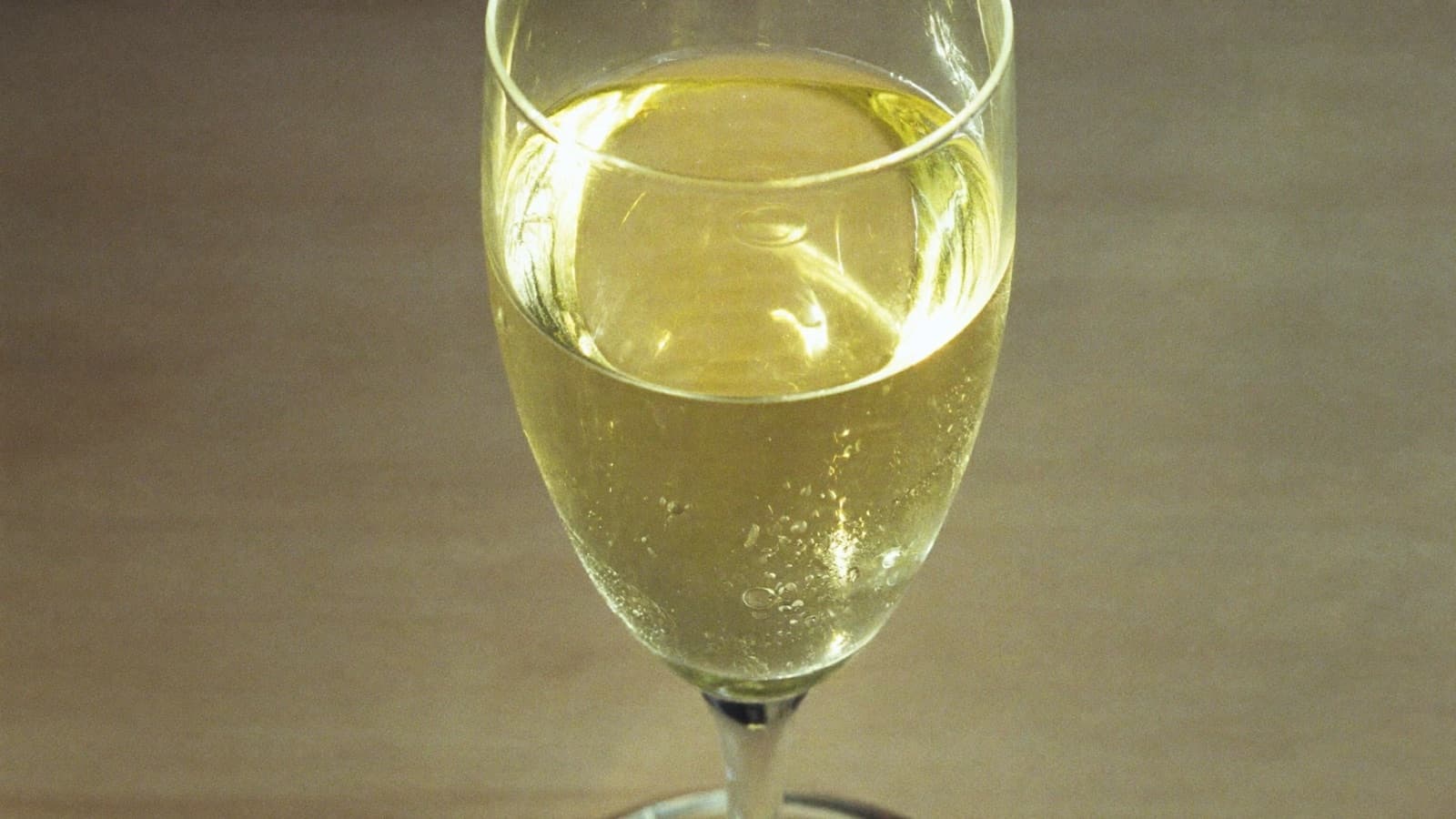
Riesling has an image problem. Say the word and most people picture something sweet, cheap, and faintly embarrassing — a wine for people who don't really drink wine. So they order around it for years, never realizing they're skipping one of the greatest grapes on the planet.
Here's the truth: Riesling is only sweet when the winemaker wants it to be. A huge amount of it is bone dry. And the assumption that it's always sugary is costing you some of the most thrilling, food-friendly, age-worthy wine in the world. Time to clear this up.
The Short Answer
Riesling ranges from completely dry to dessert-level sweet, and everything in between. Sweetness is a style choice, not the nature of the grape.
What Riesling actually is — its real signature — is electric acidity and explosive aromatics. That high acid is the magic ingredient: it makes dry Riesling taut and refreshing, it keeps even sweet Riesling from feeling cloying, and it lets the wine age for decades. The sugar is optional. The acid is the soul.
Why Everyone Thinks Riesling Is Sweet
The reputation isn't random — it's a hangover from the 1970s and '80s, when the market was flooded with cheap, sweet, mass-produced German wine (think Liebfraumilch and Blue Nun). Those wines were everywhere, they were sugary, and they branded an entire grape in the public mind. Add the genuinely sweet dessert styles that Riesling is also famous for, and the confusion makes sense.
But that reputation is forty years out of date. The wine world quietly considers Riesling one of the noble grapes — and sommeliers, almost universally, love it.
How to Tell If a Riesling Is Sweet (Before You Buy)
You don't have to guess. There are reliable cues right on the bottle.
Check the alcohol. This is the single best cheat code. Fermentation turns sugar into alcohol, so the drier the wine, the higher the ABV. A Riesling at 12–13% is almost certainly dry. One at 8–9% has a lot of residual sugar left behind — it'll be noticeably sweet. (This is the same trick that works for telling dry from sweet across the board.)
Read the German terms. German labels look intimidating but hand you the answer:
- Trocken = dry. Halbtrocken or Feinherb = off-dry (a touch of sweetness).
- Kabinett, Spätlese, Auslese describe how ripe the grapes were at harvest. They trend sweeter as you go up the ladder — but a "Spätlese Trocken" is ripe grapes made into a dry wine, so always look for that Trocken.
- Beerenauslese (BA), Trockenbeerenauslese (TBA), and Eiswein are the lush dessert wines.
Use the region as a shortcut. Alsace (France) is overwhelmingly dry. Australia's Clare and Eden Valleys make bone-dry, lime-drenched Riesling. Washington State and New York's Finger Lakes make both, so check the label. Germany's Mosel spans the whole range but is home to many of the great off-dry and dry bottlings alike.
What Riesling Actually Tastes Like
Dry or sweet, the aromatics are unmistakable: green apple, lime, white peach, apricot, and honeysuckle, often over a wet-stone minerality. The acidity makes it taste bright, juicy, and alive.
And then there's the famous one: as Riesling ages, it can develop a distinctive "petrol" or diesel note. It sounds alarming and it is absolutely a feature, not a fault — a hallmark of fine, mature Riesling that collectors prize. Thanks to that backbone of acid, good Riesling ages beautifully, sometimes for decades, slowly trading primary fruit for honey, toast, and that signature kerosene lift.
The Styles, Dry to Sweet
| Style | Look For | Sweetness |
|---|---|---|
| Bone dry | Alsace, Clare/Eden Valley, "Trocken" | None |
| Off-dry | Mosel Kabinett, "Feinherb" | A gentle touch |
| Sweet | Spätlese, Auslese | Noticeably sweet, balanced by acid |
| Dessert | BA, TBA, Eiswein | Lusciously sweet |
If you've been burned by a sweet Riesling and assumed they're all like that, start with a dry Alsace or Clare Valley bottle. It's a completely different wine.
Why Riesling Is Secretly the Best Food Wine
Here's the case that converts skeptics: that acid-and-aromatics combination makes Riesling one of the most versatile food wines there is.
It's the answer for spicy food. With Thai, Indian, Sichuan, and Korean dishes, a little sweetness and bright acid tame the heat and refresh the palate, where a tannic red would only amplify the burn. An off-dry Riesling with spicy takeout is one of the great cheap luxuries of adult life.
It also shines with pork, duck, smoked fish, and — this is a sleeper — pungent and blue cheeses, where its sweetness plays against the funk (more in our wine and cheese guide). Few wines cover this much ground.
How to Order It With Confidence
At a restaurant, you never have to gamble. Just ask: "Is this Riesling dry or off-dry?" It's a completely normal question and any decent server can answer it. Want the crisp, dry experience? Ask for Alsace or an Australian Riesling. Want the classic German style with a whisper of sweetness and racing acidity? Ask for a Mosel Kabinett.
Riesling is the connoisseur's quiet favorite: underpriced because of its outdated reputation, endlessly food-friendly, and capable of aging longer than almost any other white. The image problem is your opportunity. Stop skipping it.