

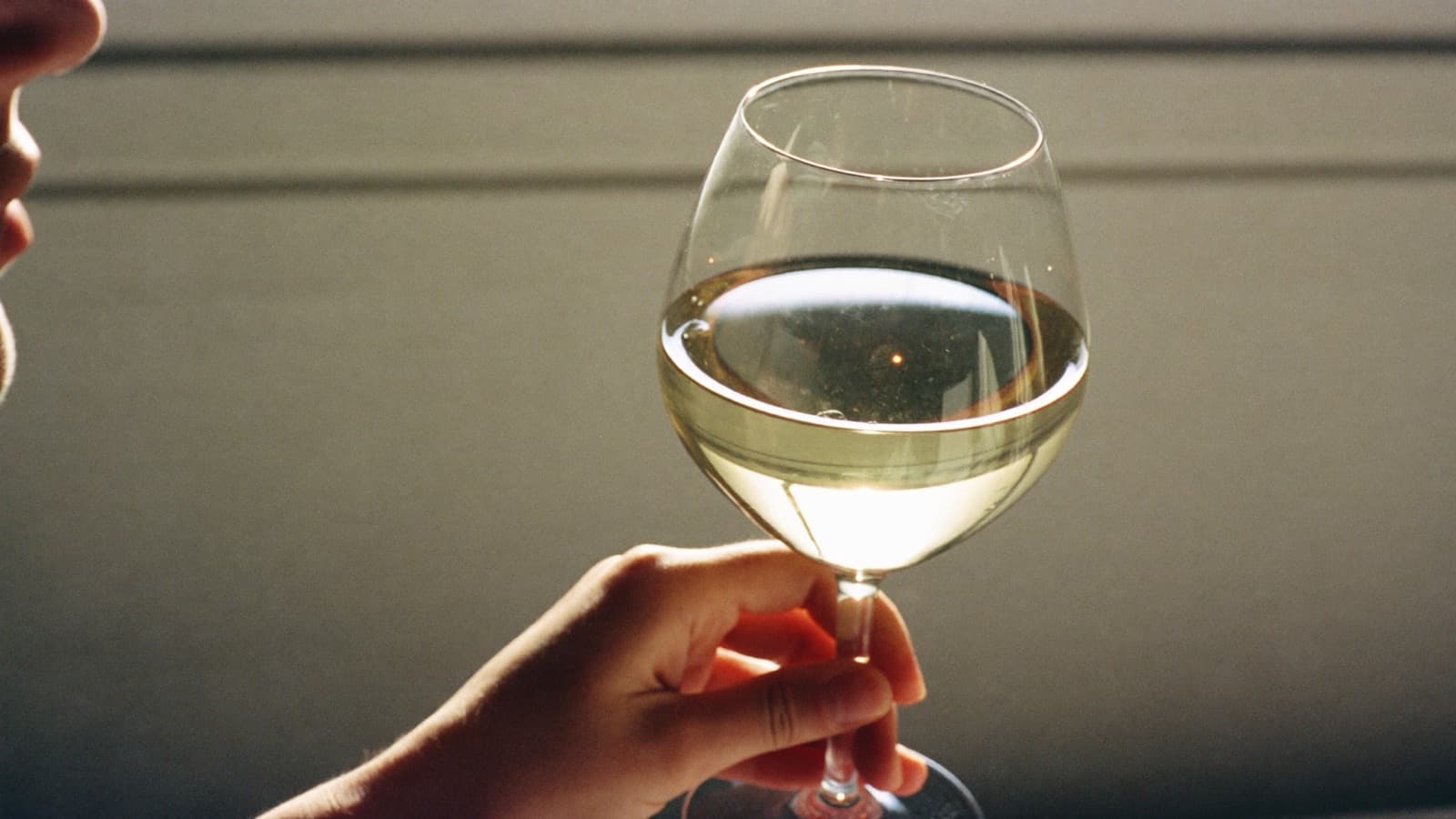
"Dry" is the most confusing word in wine.
It's a liquid. How can a liquid be dry? This isn't a philosophy lecture. It's a perfectly reasonable question that trips up everyone from first-time wine drinkers to people who've been ordering bottles for years.
The answer is simpler than the wine industry wants you to believe. And once you understand it, you'll never second-guess a wine menu again.
The Actual Definition
Dry wine = wine with little to no residual sugar.
That's it. When winemakers ferment grape juice, yeast eats the natural sugar and converts it to alcohol. If the yeast eats all (or nearly all) the sugar, the wine is dry. If some sugar remains, the wine is off-dry, semi-sweet, or sweet, depending on how much is left.
Residual sugar is measured in grams per liter (g/L). Here's the spectrum:
| Category | Residual Sugar | What It Tastes Like |
|---|---|---|
| Bone dry | 0–1 g/L | No sweetness at all. Lean and taut. |
| Dry | 1–9 g/L | The vast majority of table wines. No obvious sweetness. |
| Off-dry | 10–35 g/L | A hint of sweetness. Think certain Rieslings. |
| Semi-sweet | 35–120 g/L | Noticeably sweet. Moscato territory. |
| Sweet | 120+ g/L | Dessert wine. Sauternes, ice wine, Port. |
Most red wines are dry. Most white wines you encounter at restaurants are dry. In fact, the overwhelming majority of wine sold in the world is dry. When a menu says a wine is dry, they're telling you it won't taste sweet.
Why "Dry" Feels Confusing
Three things create the confusion:
1. Tannins feel dry, but they're not the same thing. If you've ever drunk a big red wine and felt that grippy, puckering sensation on your gums, that's tannin. It creates a physical drying sensation in your mouth, similar to over-steeped black tea. But tannin has nothing to do with sugar content. A wine can be tannic and dry (Cabernet Sauvignon), tannic and sweet (Port), low-tannin and dry (Pinot Noir), or low-tannin and sweet (Moscato). Tannin is texture. Dry is sugar. Different things.
2. Fruity does not mean sweet. This is the myth that confuses the most people. A wine can smell and taste like ripe strawberries, peaches, or tropical fruit and still be completely dry. Those fruit flavors come from aromatic compounds in the grape and the fermentation process, not from sugar. A Viognier might taste like apricots and honeysuckle but have zero residual sugar. A New Zealand Sauvignon Blanc screams passionfruit and grapefruit but is bone dry.
If it helps: think about a ripe strawberry versus strawberry jam. The strawberry has natural flavors that seem sweet, but it's not loaded with added sugar. The jam is actually sweet because sugar was added. Dry wine is the strawberry. Sweet wine is the jam.
3. Alcohol can taste sweet. Higher-alcohol wines (14%+ ABV) sometimes have a perception of sweetness from the alcohol itself, even when residual sugar is near zero. This is a sensory trick, not actual sugar. Your brain interprets warmth and viscosity as sweetness.
How to Spot Dry Wines on a Menu or Label
At a restaurant, wine lists rarely state whether a wine is dry or sweet. But you can decode it using a few shortcuts.
Look at the grape varietal. Some grapes are almost always made dry:
Dry reds: Cabernet Sauvignon, Merlot, Pinot Noir, Syrah/Shiraz, Malbec, Sangiovese, Tempranillo, Nebbiolo, Grenache/Garnacha
Dry whites: Sauvignon Blanc, Chardonnay, Pinot Grigio/Pinot Gris, Albariño, Grüner Veltliner, Chablis, Vermentino, Muscadet
Often off-dry or sweet: Moscato, White Zinfandel, many Rieslings (but not all), Gewürztraminer (can go either way)
Check the alcohol level. Higher alcohol (13%+) usually means the fermentation ran longer, which means less residual sugar. Lower alcohol (under 11%) sometimes indicates sugar was left behind. This isn't a hard rule, but it's a useful signal.
Know the label terms:
These terms appear frequently on wine labels and restaurant lists. Learning to decode them is essential for confident ordering. For a detailed breakdown of all the information on a wine label, check out how to read a wine label.
| Term | Language | What It Means |
|---|---|---|
| Brut | French/Sparkling | Very dry (less than 12 g/L sugar). Learn more about sparkling wine vs. Champagne to understand how these terms vary by region. |
| Extra Brut | French/Sparkling | Bone dry (less than 6 g/L) |
| Sec | French | Dry (confusingly, for sparkling wine, "sec" is actually slightly sweet) |
| Trocken | German | Dry |
| Secco | Italian | Dry |
| Seco | Spanish/Portuguese | Dry |
| Demi-sec | French | Semi-sweet |
| Dolce/Dulce | Italian/Spanish | Sweet |
| Spätlese, Auslese | German | Typically off-dry to sweet, but check the label |
Ask your server. Seriously. "Is this wine dry?" is one of the most common and perfectly reasonable questions servers get. They won't think less of you for asking.
Popular Dry Wines to Try
If you're looking for reliably dry options the next time you're at a restaurant, these are your go-to picks:
Dry whites that never let you down: Sancerre (Sauvignon Blanc from the Loire Valley), Chablis (unoaked Chardonnay from Burgundy), Pinot Grigio from Alto Adige, Albariño from Rías Baixas, Grüner Veltliner from Austria.
Dry reds for every budget: Côtes du Rhône (Grenache-Syrah blend from Southern France), Rioja Crianza (Tempranillo from Spain), Chianti Classico (Sangiovese from Tuscany), Argentine Malbec, Oregon Pinot Noir.
Dry sparkling wines: Brut Champagne, Brut Cava, Brut Prosecco, Brut Crémant d'Alsace.
When you're reviewing a restaurant wine list, look for these regions and varietals first—they're your safe bet for dry options. A Sancerre at a fine dining restaurant will taste completely different from a casual wine bar's Sancerre, but both will be unmistakably dry. The price difference reflects the restaurant's markup and sourcing, not the wine's fundamental character.
Restaurant wine programs increasingly feature vertical tastings or producer showcases—lineups of multiple vintages or styles from the same producer. These are goldmines for exploring dry wines systematically. Instead of guessing at unfamiliar names, you can taste multiple dry Chardonnays side by side and develop your palate in real time. If your restaurant offers wine flights, they're often themed around dryness levels or styles, making them perfect for demystifying the whole "dry" concept.
The Myths, Busted
Myth: "I don't like dry wine." You probably do. If you've ever enjoyed a glass of Chardonnay, Cabernet, or Prosecco Brut at a restaurant, you've drunk dry wine and liked it. Check out our recommendations for best wines for beginners if you're just starting your dry wine journey.
Myth: "Cheap wine is always sweet." Not true. Plenty of inexpensive wines are bone dry. A $10 Spanish Garnacha or a $12 Chilean Sauvignon Blanc can be as dry as a $60 Burgundy.
Myth: "Red wine is dry and white wine is sweet." Most of both are dry. Color tells you nothing about sugar content. A red Lambrusco can be sweet. A white Muscadet is bone dry.
Myth: "Fruity wines are sweet." Covered this already, but it's worth repeating because it's the most persistent misunderstanding in wine. Fruity is a flavor. Sweet is a sugar level. They're independent variables.
Why This Matters at a Restaurant
Understanding "dry" helps you in two practical ways at the table.
First, it helps you communicate what you want. Telling your server "I'd like something dry" immediately narrows the field. Adding "dry but fruity" or "dry and crisp" gives them even more to work with. These are the kinds of descriptors that turn a wine conversation from awkward to productive in one sentence.
Second, it protects you from ordering something you won't enjoy. If you dislike sweetness in wine, knowing that certain Rieslings, Gewürztraminers, and Moscatos tend toward sweet saves you from a glass you'll regret. Conversely, if you prefer a touch of sweetness, knowing that "off-dry" is the term you're looking for opens up a whole category of wines that many people overlook and almost everyone enjoys.
The word "dry" isn't complicated. It just got buried under decades of mystique that the wine world was in no rush to clear up. Now you know. Use it freely, order with confidence, and never let a single adjective stand between you and a great glass of wine.
Ordering Dry Wine at a Restaurant: What to Say
The restaurant setting is where "dry" becomes your most powerful ordering tool. Here's exactly how to use it: When your server asks if you need wine recommendations, respond with "I'd like something dry" as your opening statement. This single word eliminates an entire category of wines before the conversation even begins. You've just communicated that you want a wine based on sugar content, and that's information your server can immediately work with.
If you want to be even more specific, layer in other descriptors. "I'd like something dry and crisp" points toward high-acidity whites like Sauvignon Blanc or unoaked Chardonnay. "Dry and full-bodied" points toward Cabernet or other power-player reds. "Dry but with some fruit character" tells your server you want flavor without sweetness—wines like Pinot Noir or Viognier fit perfectly. These multi-word descriptions take five seconds to say and dramatically improve your odds of getting exactly what you want.
When reading a wine list, watch for language that reveals dryness or sweetness. Restaurant lists often include brief tasting notes next to each wine. Terms like "crisp," "minerally," "herbaceous," or "fresh" almost always mean dry. Descriptors like "honeyed," "dessert-friendly," or "sweet fruit character" signal off-dry or sweet wines. If the note says "pairs well with spicy food" or "bright acidity," you've found a dry wine. If it says "dessert wine" or mentions "ice wine," you're looking at sweet territory.
Common pitfalls to avoid: Don't assume a wine is dry just because it's red. Lambrusco, Brachetto, and some Zinfandels are off-dry or semi-sweet. Don't assume it's sweet just because it's called Riesling—German Rieslings span the full dryness spectrum. And don't let flowery or fruity descriptions scare you into ordering something you don't want. A Sauvignon Blanc that smells like passionfruit is still bone dry.