

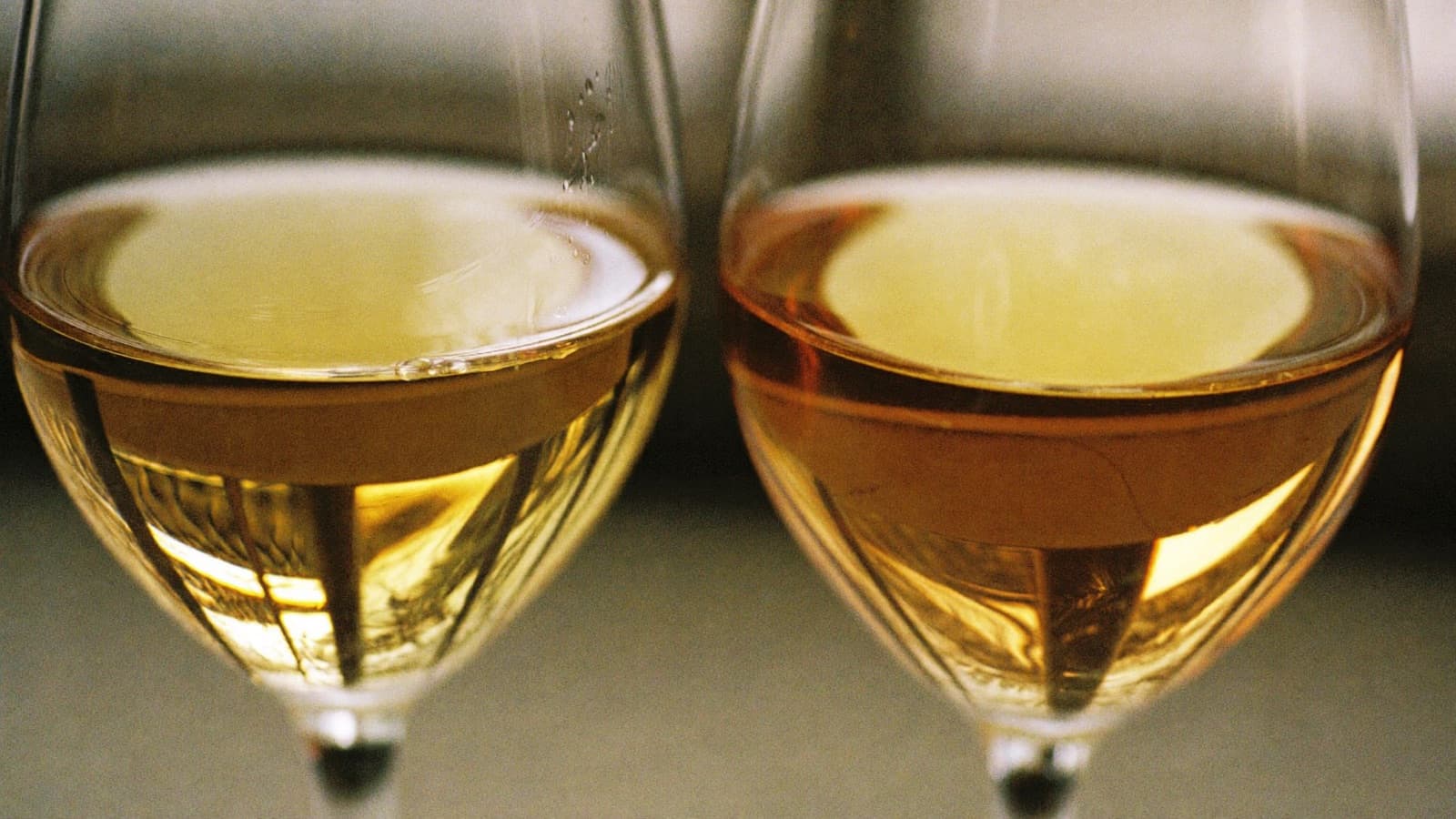
You're looking at a wine menu. Under "White Wine," two names dominate: Chardonnay and Sauvignon Blanc. They're the world's most popular white wines, they're on every restaurant list, and they taste nothing alike.
Choosing between them isn't about which is "better." It's about which fits your meal, your mood, and your palate right now.
The Fundamental Difference
Chardonnay is rich and full. Think butter, baked apple, vanilla, tropical fruit. It coats your mouth and lingers.
Sauvignon Blanc is crisp and bright. Think grapefruit, lime, cut grass, green apple. It zings across your palate and refreshes.
If Chardonnay is a cashmere sweater, Sauvignon Blanc is a linen shirt. Both excellent. Totally different occasions.
Flavor Profiles in Detail
Chardonnay
Chardonnay is the chameleon of white grapes. More than almost any other varietal, its flavor depends on where it's grown and how it's made.
Oaked Chardonnay (California, parts of Australia, Burgundy): Butter, vanilla, toasted bread, baked pear, tropical fruit (pineapple, mango). The oak aging adds richness, texture, and those toasty notes. This is the Chardonnay that people either love or are "over."
Unoaked Chardonnay (Chablis, cooler parts of California, Oregon): Green apple, lemon, mineral, wet stone. Lean, clean, and surprisingly vibrant. If you think you don't like Chardonnay because you don't like butter bombs, try Chablis. It will change your mind.
Sauvignon Blanc
Sauvignon Blanc is more consistent across styles. The grape's natural acidity and aromatic intensity shine through regardless of origin, though the specific flavors shift.
New Zealand (Marlborough): Intense passionfruit, grapefruit, jalapeño, cut grass. These are the loudest, most aromatic Sauvignon Blancs on the planet. Love-it-or-hate-it intensity.
France (Loire Valley: Sancerre, Pouilly-Fumé): More restrained. Lemon, flint, white flowers, gooseberry. Elegant and mineral rather than tropical and punchy.
California: Somewhere in between. Melon, citrus, stone fruit. Some California versions see a touch of oak, blurring the line with Chardonnay.
The Head-to-Head Comparison
| Attribute | Chardonnay | Sauvignon Blanc |
|---|---|---|
| Body | Medium to full | Light to medium |
| Acidity | Moderate | High |
| Typical ABV | 13–14.5% | 12–13.5% |
| Oak aging | Common (varies by style) | Rare |
| Key flavors | Butter, apple, tropical fruit | Citrus, herbs, grass |
| Texture | Round, creamy | Crisp, zesty |
| Calories (5 oz) | 120–140 | 115–125 |
| Best temp | 50–55°F | 45–50°F |
| Aging potential | Good (top examples: 5–15 years) | Drink young (1–3 years) |
Food Pairing Guide
This is where the choice gets practical. What's on your plate? Understanding wine and food pairing fundamentals will help you make smart choices both at home and on restaurant wine lists.
Chardonnay Pairs Best With:
Lobster or crab with drawn butter. Butter meets butter. A match made in heaven, especially with oaked Chardonnay.
Roast chicken. The golden skin, the savory juices, the herbs. A glass of Chardonnay with roast chicken is one of the great simple pleasures.
Cream-based pasta. Fettuccine Alfredo, carbonara, or any creamy risotto. Chardonnay's weight matches the dish's richness.
Rich fish (halibut, swordfish, or cod in a butter sauce). The wine's body can stand up to meatier fish preparations.
Soft, creamy cheeses. Brie, Camembert, triple-crème cheeses. The wine's richness mirrors the cheese's.
Sauvignon Blanc Pairs Best With:
Salads. The acidity in Sauv Blanc matches vinaigrette-dressed greens like few other wines can.
Goat cheese. This is the textbook pairing, and for good reason. The wine's herbaceous tang and the cheese's tang are best friends.
Shellfish (oysters, clams, mussels, shrimp). Clean, briny, and refreshing on both sides of the pairing.
Sushi and sashimi. The wine's acidity and lightness don't overwhelm delicate raw fish.
Herb-forward dishes. Pesto pasta, herb-crusted fish, grilled vegetables with chimichurri. Sauv Blanc's herbal character meets its match.
Thai or Vietnamese food. The bright acidity and aromatic intensity cut through lemongrass, ginger, and chili.
The Overlap Zone:
Grilled white fish works with both. Chardonnay if the fish has a butter sauce. Sauvignon Blanc if it's simply grilled with lemon.
Chicken depends on preparation. Fried or roasted → Chardonnay. Grilled or in a salad → Sauvignon Blanc.
If You Like One, Try the Other
If you love Chardonnay:
Try Viognier. Aromatic, full-bodied, with apricot and honeysuckle notes. Similar weight but a different flavor lane.
Try White Burgundy. Yes, it IS Chardonnay, but Chablis and Mâcon show the grape in a leaner, more mineral style you might not have experienced.
Try Chenin Blanc from South Africa. Can be rich and honeyed or lean and mineral, sometimes in the same bottle.
If you love Sauvignon Blanc:
Try Albariño. Spanish coastal white with citrus, stone fruit, and a saline edge. Similar crispness with a different personality.
Try Grüner Veltliner. Austrian white with white pepper, green apple, and high acidity. The Sauvignon Blanc drinker's adventure wine.
Try Vermentino. Mediterranean white with herbal, citrus character and a slightly richer mid-palate than most Sauv Blancs.
The Price-to-Quality Sweet Spots
Looking for great value wines on a restaurant list? You're in luck—both of these whites offer exceptional options at under $20 price points.
Chardonnay Values:
Mâcon-Villages (Burgundy): $12-18. Clean, balanced, unoaked Chardonnay from the south of Burgundy. Excellent quality for the price.
Chile: $8-14. Chilean Chardonnay is one of the wine world's best secrets. Casillero del Diablo and Montes both make reliably good bottles under $12.
Languedoc (France): $9-14. Southern French Chardonnay flies under the radar but delivers oaked-style Chard at a fraction of California prices.
Sauvignon Blanc Values:
Marlborough, New Zealand: $10-16. The global benchmark for Sauvignon Blanc, and most bottles deliver excellent quality in this range. Kim Crawford and Oyster Bay are widely available crowd-pleasers.
Sancerre: $18-25. Yes, it's pricier, but the elegance and mineral character of Loire Valley Sauvignon Blanc is worth the step up for a special dinner.
Spain (Rueda): $8-12. Often made from Verdejo (a close cousin of Sauv Blanc), wines from Rueda offer herbaceous, citrusy character at rock-bottom prices.
One critical distinction: both Chardonnay and Sauvignon Blanc are dry wines, which means they contain minimal residual sugar. This matters when you're reading a wine list—neither of these will taste sweet, even if the descriptions include fruity language. The freshness comes from acidity, not sugar.
The Decision Matrix
| If you're eating... | Order... |
|---|---|
| Rich, buttery, creamy dishes | Chardonnay |
| Light, fresh, herby dishes | Sauvignon Blanc |
| Seafood with butter sauce | Chardonnay |
| Seafood with lemon/herbs | Sauvignon Blanc |
| Hot day, no food | Sauvignon Blanc |
| Cool evening, appetizer | Chardonnay |
| Spicy food | Sauvignon Blanc |
| Cheese course | Depends on cheese (see above) |
Both are great wines. Neither is objectively better. The right choice depends entirely on what's on your plate and what kind of experience you want. Rich and indulgent? Chardonnay. Bright and refreshing? Sauvignon Blanc.
When in doubt, order a glass of each and settle the debate yourself.
How to Choose Between Them at a Restaurant
Faced with a wine list at a restaurant? Here's how to nail the Chardonnay vs. Sauvignon Blanc decision every time. Start by scanning the menu: what are you eating? If it's rich (butter sauce, cream, cheese, shellfish in beurre blanc), point toward Chardonnay. If it's light and fresh (salad, sushi, grilled vegetables with lemon), Sauvignon Blanc wins. But the real game-changer is asking your server or sommelier—they can tell you not just whether the wine is dry and what it tastes like, but which specific producer on the list aligns with your meal.
One smart restaurant move: order both by the glass. This lets you taste-test without committing to a full bottle, and you'll immediately feel the difference between the two styles. If the list doesn't offer both by the glass and you're ordering a bottle, err toward Sauvignon Blanc—it's more versatile across courses and pairs with a wider range of restaurant dishes. Chardonnay shines when you know exactly what you're eating; Sauvignon Blanc is your safety play when you're building a meal course by course.
Don't overthink glass versus bottle for these two. Chardonnay's richness means it can hold up in a glass for a few hours before oxidizing, and Sauvignon Blanc's acidity preserves it even better. The worst mistake is letting perfect paralysis stop you from ordering. Pick one, enjoy it, and try the other next time. That's how you develop your preferences.
A final pro tip for restaurant ordering: notice what your server or sommelier recommends based on the season and your dining companions. In warmer months, expect Sauvignon Blanc to be the default suggestion. In cooler months, Chardonnay becomes more prominent. If you're dining with a group and some people are unsure about white wine in general, Chardonnay is the safer bet—its richness and familiar flavors appeal to a broader audience. If your table skews adventurous, Sauvignon Blanc shows sophistication and prompts interesting conversations about terroir and regional expression. Neither choice is wrong; context matters.