

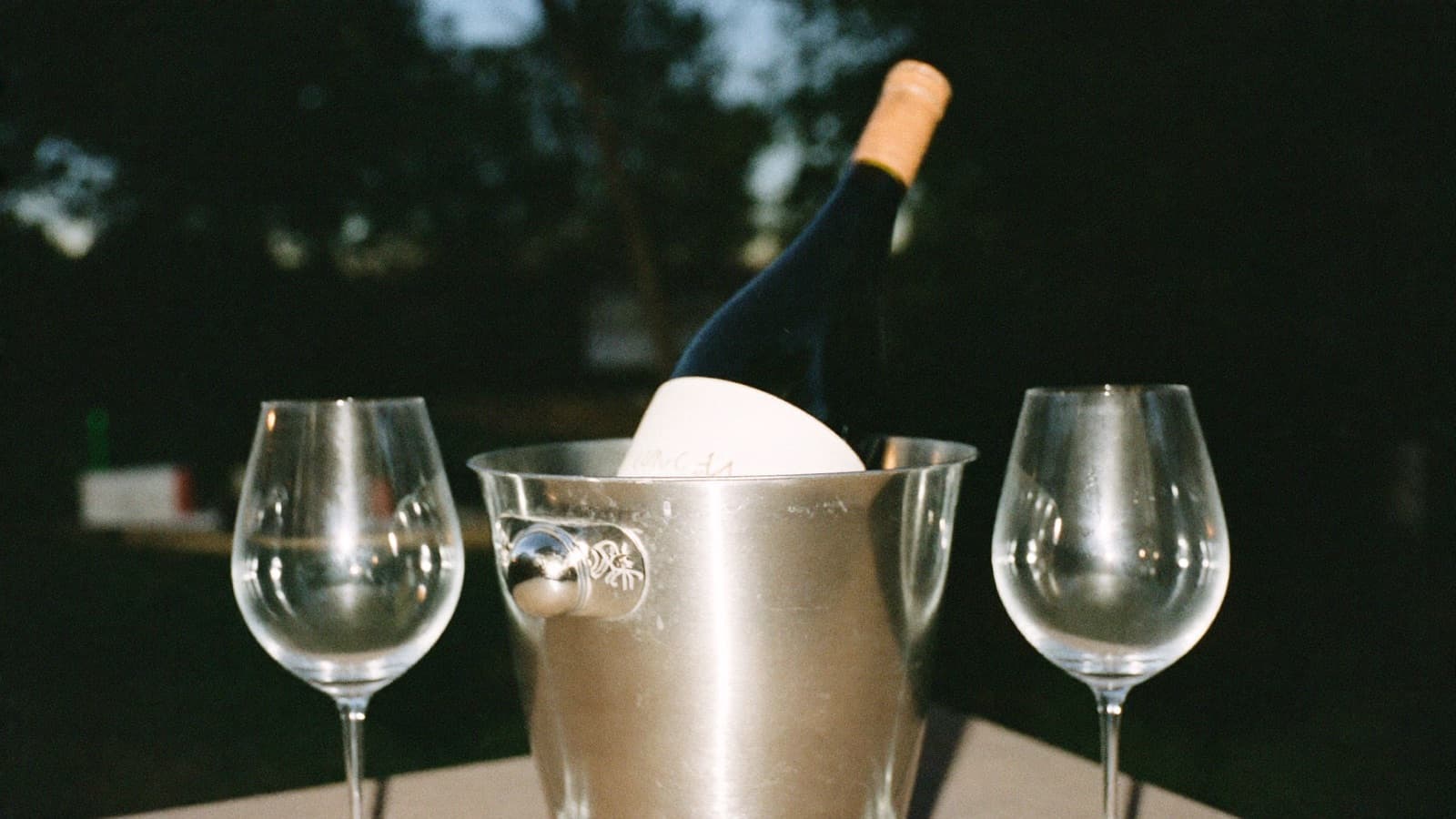
You've spent twenty minutes choosing the right bottle. You've paired it with the right food. You've even impressed the table with your confident ordering. Then you pour it at the wrong temperature and undo all of that effort in one sip.
Temperature is the single easiest thing to get right in wine, and the single most common thing people get wrong. A great Cabernet served too warm tastes like alcoholic jam. A beautiful Chardonnay served too cold tastes like nothing at all. The difference between a wine that sings and a wine that mumbles is often just 10 degrees.
The "Room Temperature" Myth
The most damaging piece of wine advice ever given: "Serve red wine at room temperature."
This advice originated in European stone castles and unheated dining rooms where "room temperature" was about 60-65°F. It was perfectly good advice in 1850 France.
Your living room is 72°F. Your kitchen is probably warmer. A red wine at 72°F is too warm. The alcohol becomes more volatile and prominent, the fruit tastes overripe and flat, and the wine loses its structure and definition. It's the equivalent of listening to music with the bass cranked and the treble gone.
The fix is simple: slightly chill your red wine. Fifteen minutes in the fridge transforms a flabby, hot-tasting red into something balanced and alive.
The Temperature Guide
Every wine has a range where it shows its best. These aren't arbitrary. They're based on how temperature affects the perception of sweetness, acidity, tannin, alcohol, and aroma.
Sparkling Wine: 40-45°F (4-7°C)
Serve it cold. The bubbles stay finer and more persistent at lower temperatures. Warmer sparkling wine loses its fizz faster and the mousse becomes coarse.
Champagne, Prosecco, Cava, and Crémant all want the same treatment: well chilled but not ice cold. Straight from the fridge is usually perfect. If the bottle's been sitting out, 20 minutes in an ice bucket with water and ice gets it there.
Light White and Rosé: 45-50°F (7-10°C)
Sauvignon Blanc, Pinot Grigio, Vinho Verde, Albariño, and dry rosé all thrive in this range. Cold enough to be refreshing, warm enough that you can actually taste the aromatics.
A common mistake: serving these straight from a commercial fridge set to 35°F. That's too cold. The wine will taste like lemon water. Pull it from the fridge 10 minutes before pouring, or cup the glass in your hands for a minute to bring it up slightly.
Full-Bodied White: 50-55°F (10-13°C)
Oaked Chardonnay, White Burgundy, Viognier, aged white Bordeaux. These wines have weight, complexity, and nuance that disappear when they're too cold.
Thirty minutes out of the fridge is about right for most full whites. You want them cool but not cold. If you can feel the chill on the glass but the wine isn't numbing your palate, you're in the zone.
Light Red: 55-60°F (13-16°C)
Pinot Noir, Gamay (Beaujolais), Grenache-based wines, and lighter Sangiovese all benefit from a slight chill. This is the temperature range that wine people mean when they say "cellar temperature."
The easiest method: put the bottle in the fridge for 15-20 minutes before serving. This takes the edge off without making it cold. You'll immediately notice the difference. A slightly chilled Pinot Noir is more aromatic, more lifted, and more refreshing than one served at room temperature.
Full-Bodied Red: 60-65°F (16-18°C)
Cabernet Sauvignon, Malbec, Syrah/Shiraz, Barolo, Bordeaux blends, and other big reds want to be cool, not warm. At 60-65°F, the tannins are firm but not harsh, the fruit is defined, and the alcohol integrates smoothly.
The practical move: 10-15 minutes in the fridge if the bottle has been sitting in your kitchen. You're not trying to make it cold. You're trying to bring it down from 72°F to about 63°F. That small drop makes a noticeable difference.
Dessert and Fortified Wine: Variable
Sweet wines (Sauternes, late-harvest Riesling, Tokaji) are best at 45-50°F. The chill balances their sweetness and keeps them from tasting cloying.
Port and Madeira, which are full-bodied and complex, are best at 60-65°F, similar to big reds.
Sherry depends on style: Fino and Manzanilla should be served ice cold (40-45°F), while Oloroso and Amontillado are better at 55-60°F.
The Quick-Reference Chart
| Wine Style | Temperature | Fridge Time from Room Temp |
|---|---|---|
| Sparkling | 40-45°F | 2-3 hours (or 20 min in ice bath) |
| Light White & Rosé | 45-50°F | 1.5-2 hours |
| Full-Bodied White | 50-55°F | 45-60 minutes |
| Light Red (Pinot Noir, Gamay) | 55-60°F | 15-20 minutes |
| Full-Bodied Red (Cabernet, Malbec) | 60-65°F | 10-15 minutes |
| Sweet/Dessert Wine | 45-50°F | 1.5-2 hours |
| Tawny Port, Oloroso Sherry | 60-65°F | 10-15 minutes |
| Fino Sherry, Manzanilla | 40-45°F | 2-3 hours |
Quick-Chill Methods That Actually Work
The Ice-Water Bath (Fastest)
Fill a bucket or large bowl with half ice and half cold water. Submerge the bottle. This cools wine dramatically faster than ice alone because water conducts heat much more efficiently than air gaps between ice cubes.
A bottle at room temperature reaches sparkling-wine temp (40-45°F) in about 20-25 minutes. For reds that need a slight chill, 5-8 minutes in the ice bath does the job.
Add a handful of salt to the ice water if you're in a real hurry. Salt lowers the freezing point of water, which makes the bath even colder and speeds cooling by another few minutes.
The Wet Paper Towel Trick
Wrap the bottle in a wet paper towel and put it in the freezer. The wet towel conducts cold faster than dry air, dropping the temperature quickly. A white wine goes from room temp to ready in about 15-20 minutes. A red needs only 8-10 minutes.
Set a timer. Forgetting a bottle in the freezer leads to frozen wine, pushed-out corks, and a mess you'll be cleaning for days.
The Freezer (With Caution)
The freezer works fine as long as you set an alarm. For white wine, 30-40 minutes from room temperature. For reds that just need a quick chill, 10-15 minutes. Wine freezes at about 15-20°F (depending on alcohol content), so you have a reasonable buffer, but a forgotten bottle will eventually turn into a wine slushie and potentially crack.
How Temperature Affects What You Taste
Understanding why temperature matters helps you adjust on the fly.
Cold suppresses aromas. The colder a wine is, the less you can smell. This is why ice-cold wine seems "clean" and "simple." It's not that the complexity isn't there. It's locked up. As wine warms in the glass, aromas open up. This is why you should let an overly cold white sit for a few minutes rather than drinking it immediately.
Cold amplifies acidity and tannin. A cool wine tastes crisper and more structured. A warm wine of the same kind tastes softer and flabbier. This is why chilling a red wine slightly makes it taste more vibrant: you're lifting the acidity and firming up the tannins.
Warmth amplifies alcohol and sweetness. As wine warms up, the alcohol becomes more apparent on your nose and palate, and any residual sugar tastes sweeter. A sweet dessert wine at 70°F can taste cloying and boozy. The same wine at 48°F tastes balanced and refreshing.
The practical takeaway: If a wine tastes too sharp or too tannic, let it warm up. If a wine tastes too soft, too boozy, or too sweet, cool it down. Temperature is the easiest real-time adjustment you can make.
Is Your Restaurant Serving Wine Too Warm?
It happens more than you'd think. Many restaurants store red wine at room temperature behind the bar or in a service area that runs warm from kitchen heat. The result: reds that arrive at 72-75°F, well above their ideal range.
Signs the red wine is too warm: The alcohol hits your nose aggressively. The wine tastes flat and one-dimensional. The finish feels hot rather than long.
What to do: This is a perfectly reasonable request: "Could we get an ice bucket for the red, just for a few minutes?" Any good restaurant will accommodate this without blinking. You're not being difficult. You're being thoughtful about the wine you're paying for.
Signs the white wine is too cold: You can barely smell anything. The wine tastes like slightly flavored water. There's no fruit, no complexity, just acid and cold.
What to do: Cup the glass in both hands for a minute or two. Body heat warms it quickly. Or simply wait. White wine in a glass warms faster than you'd expect. The second and third sips will be noticeably more expressive than the first.
Storage vs. Serving Temperature
There's an important distinction between how you store wine and how you serve it.
Storage temperature is about preserving wine over weeks, months, or years. The ideal is 55°F with consistent humidity. This applies whether you have a wine fridge, a cellar, or a closet in the coolest part of your house. The enemies of stored wine are heat (above 70°F accelerates aging and can cook the wine), temperature swings (daily fluctuations stress the cork and wine), direct sunlight (UV degrades wine compounds), and vibration (disturbs sediment and aging processes).
Serving temperature is about presenting wine at its best for immediate drinking. A wine stored at 55°F still needs to warm up slightly for reds or cool down further for sparkling.
If you only have a regular refrigerator (set to about 37°F), store white wines in the fridge and pull them out 10-15 minutes before serving. Store reds at room temperature and chill them briefly before serving. It's not a perfect system, but it works for everyday drinking.
The Bottom Line
Getting wine temperature right requires no equipment, no expertise, and about 15 minutes of planning. Chill your reds slightly. Don't overchill your whites. Keep sparkling cold. That's it.
The difference it makes is immediate and obvious. You'll wonder why you ever drank room-temperature Cabernet, and you'll stop serving Sauvignon Blanc so cold that it tastes like ice water.
Fifteen minutes in the fridge. That's the single best thing you can do to improve every glass of wine you drink.