

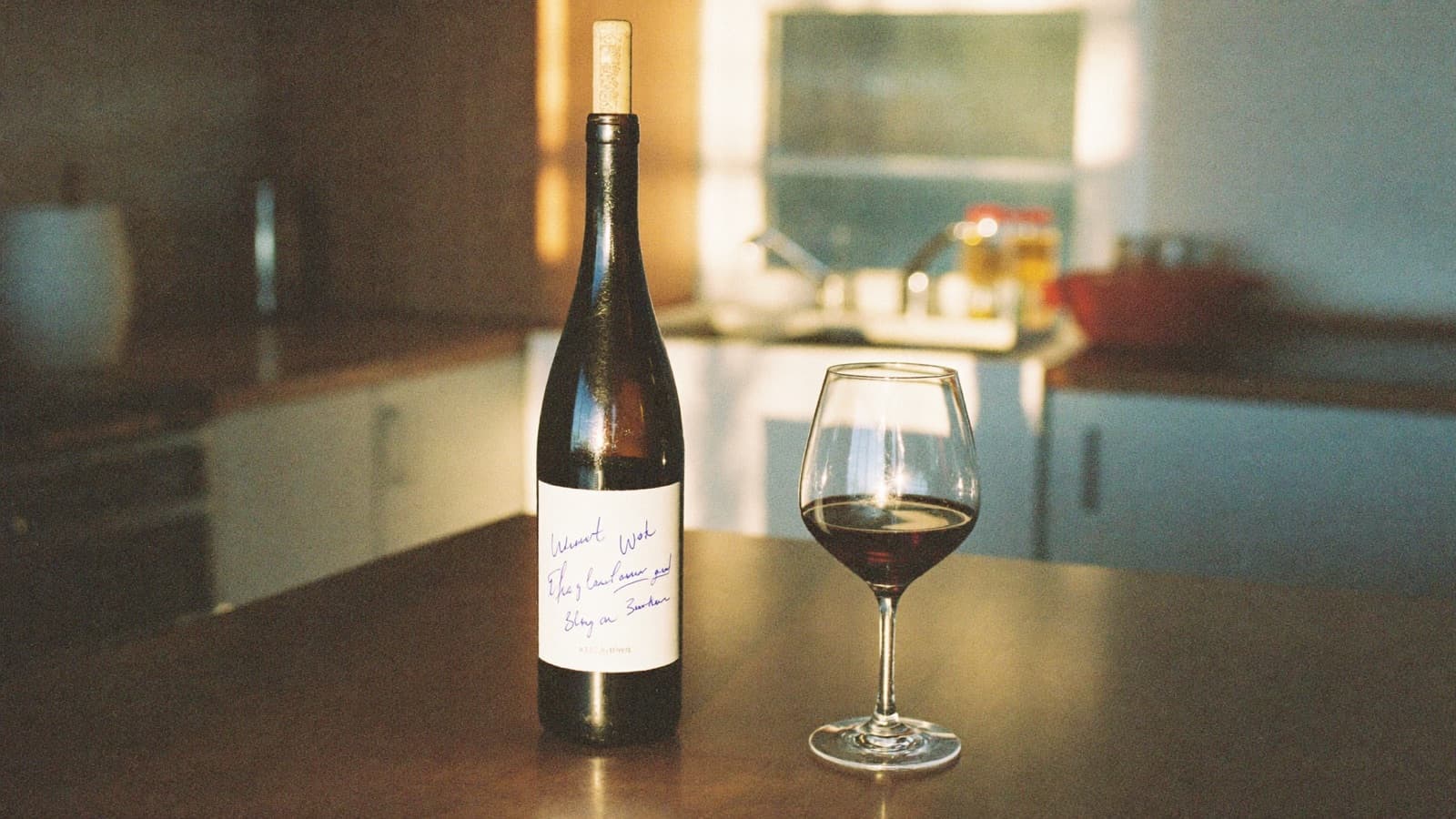
You found a bottle in the back of the closet. Maybe it's from a dinner party two years ago. Maybe it's a gift from someone who insisted it was "really good." It's been sitting upright at room temperature next to the winter coats.
Is it still drinkable? Probably. Is it at its best? Almost certainly not. Does wine actually go bad? The answer is more nuanced than a simple yes or no, and understanding the nuance saves you from dumping perfectly fine wine and from drinking wine that's genuinely past its prime.
Yes, Wine Goes Bad. But It Takes More Than You Think.
Unopened wine is remarkably resilient. An intact cork and a full bottle create a sealed environment where wine can survive a surprising amount of neglect. But "survive" and "thrive" are different things.
Wine doesn't spoil like milk. An old bottle of wine won't make you sick. The alcohol content (typically 11-16%) and acidity create an environment where harmful bacteria can't easily grow. The worst thing that happens to improperly stored wine is that it tastes bad, not that it becomes dangerous.
Wine does degrade. Heat, light, oxygen, and time all change wine's character. Sometimes that change is positive (a well-stored Barolo gaining complexity over 20 years). Usually, for everyday wines, it's negative (a $12 Pinot Grigio losing its freshness after sitting in a warm kitchen for two years).
How Long Does Unopened Wine Last?
This depends entirely on the wine and how it's been stored.
Wines Meant to Drink Young (Most Wine Under $20)
The vast majority of wine produced today is designed for immediate or near-term consumption. Fresh whites, rosés, light reds, and inexpensive sparkling wines are at their best within 1-3 years of the vintage date.
These wines don't "age" in any meaningful sense. They don't develop complexity or improve with time. They lose freshness. A 2024 Sauvignon Blanc is bright and crisp. The same bottle in 2028 might be flat and dull. It's not bad, just past its window.
Wines That Benefit from Aging
Certain wines are built to improve over years or decades. They have higher tannin, acidity, and concentration, which act as natural preservatives that allow the wine to evolve positively. These include top Cabernet Sauvignon (Napa, Bordeaux), Barolo and Barbaresco, vintage Champagne, quality Riesling (especially German), Burgundy (both red and white), Vintage Port, and Sauternes and other noble-rot dessert wines.
Even these wines need proper storage. A $200 Bordeaux aged for 20 years in a temperature-controlled cellar is transcendent. The same bottle left on top of the fridge for 20 years is expensive vinegar.
The Storage Matters More Than the Wine
Here's the uncomfortable truth: storage conditions matter more than the wine's potential. A properly stored $15 Côtes du Rhône will taste better at 3 years old than an improperly stored $100 Burgundy at the same age.
The Ideal Storage Conditions
If you're keeping wine for more than a few weeks, these are the conditions that protect it.
Temperature: 55°F (13°C) is ideal. This is the standard cellar temperature that slows chemical reactions without stopping them, allowing wine to age gracefully. Anything between 45-65°F is acceptable for medium-term storage. Above 70°F, you're accelerating degradation. Above 80°F, you're cooking the wine.
Consistency matters more than precision. A steady 60°F is better than a temperature that swings between 50°F and 70°F daily. Temperature fluctuations cause the wine to expand and contract, which can push air past the cork and accelerate oxidation.
Humidity: 50-80%. Moderate humidity keeps corks from drying out. A dried cork shrinks and lets air in. If you're storing wine in a typical home (30-50% humidity in winter with heating), the corks may dry over several years. This is one reason wine is stored on its side: the wine keeps the cork moist from the inside.
Orientation: on its side. For cork-sealed bottles, horizontal storage keeps the cork in contact with the wine, preventing it from drying and allowing air in. For screw-cap bottles, orientation doesn't matter.
Darkness. UV light degrades wine compounds. This is why most wine bottles are tinted green or brown. Store wine away from direct sunlight and fluorescent lighting. A closet, a cabinet, or a dedicated wine fridge all work.
Minimal vibration. Constant vibration (next to a washing machine, a furnace, or heavy foot traffic) disturbs the sediment in aging wine and may accelerate chemical reactions. This is a minor concern for most home storage, but it's worth knowing.
The Wine Fridge Question
A dedicated wine fridge is the simplest solution for anyone who keeps more than a few bottles at a time. They're designed to hold 55°F with appropriate humidity and no vibration.
You don't need a fancy one. A basic single-zone wine fridge that holds 12-20 bottles runs $150-300 and solves every storage problem. If you regularly have 6+ bottles at home, it's a worthwhile investment.
Your regular kitchen fridge works for short-term storage (a few weeks), but it's too cold (35-38°F) and too dry for long-term storage. Wine stored in a kitchen fridge for months will have its flavors muted, and the low humidity can dry out corks.
How Long Does Opened Wine Last?
Once you pull the cork, the clock starts. Oxygen begins transforming the wine immediately, and the rate depends on the wine type.
The Timeline
| Wine Type | How Long After Opening | Best Storage |
|---|---|---|
| Sparkling | 1-2 days | Sparkling wine stopper, fridge |
| Light White & Rosé | 3-5 days | Re-cork, fridge |
| Full-Bodied White | 3-5 days | Re-cork, fridge |
| Light Red | 3-5 days | Re-cork, cool dark place or fridge |
| Full-Bodied Red | 4-6 days | Re-cork, cool dark place |
| Fortified (Port, Sherry) | 2-4 weeks | Re-cork, cool dark place |
| Dessert Wine | 1-3 weeks | Re-cork, fridge |
These are general guidelines, not hard deadlines. A full-bodied red might taste just fine on day five. It might even taste better on day two than day one, as some oxygen exposure can soften tannins and open up aromas. But by day six or seven, the fruit starts fading and flat, stale notes creep in.
What Happens as Opened Wine Ages
Day 1: Fresh and vibrant. This is when the wine is closest to the winemaker's intent. Some tannic reds actually benefit from a few hours of air.
Days 2-3: Most wines are still very good. Tannins may soften slightly. Some complex wines show new flavors that weren't apparent on day one.
Days 4-5: Fruit begins to fade. Acidity and tannin become more prominent relative to the declining fruit. The wine is still drinkable but noticeably less lively.
Days 6-7+: The wine starts tasting flat, oxidized, and tired. Flavors become muted or develop a bruised-apple, sherry-like quality. This is the wine telling you it's done.
How to Preserve an Open Bottle
The Basics
Re-cork or re-cap immediately. Every minute the bottle sits open, oxygen is working. Push the cork back in (or use a rubber wine stopper) as soon as you've poured.
Refrigerate everything. Cold slows oxidation. Even reds benefit from refrigeration once opened. Pull the bottle out 15-20 minutes before serving to bring it back to drinking temperature.
Keep it upright. Once opened, store the bottle upright to minimize the surface area of wine exposed to air.
Preservation Tools
Vacuum pump (e.g., Vacu Vin). These remove some air from the bottle and create a partial vacuum. They extend wine life by a day or two. They're inexpensive ($10-15), widely available, and better than nothing. They don't create a perfect vacuum, so they're not a long-term solution.
Inert gas sprays (e.g., Private Preserve). These spray a blend of argon, nitrogen, and CO2 into the bottle, creating a gas blanket over the wine surface that prevents oxygen contact. They're more effective than vacuum pumps and can extend wine life by several days. A canister costs about $10-15 and lasts for dozens of uses.
Coravin. This device inserts a thin needle through the cork, extracts wine, and replaces the volume with argon gas. The cork reseals when the needle is removed. It effectively lets you pour wine without opening the bottle, preserving the remaining wine for weeks or months. It's expensive ($100-300) but transformative if you regularly drink from bottles you can't finish in one sitting.
The "Half-Bottle" Trick
If you've drunk half a bottle and want to preserve the rest, transfer the remaining wine into a clean half-bottle (375ml) and cork it. A full half-bottle has almost no air exposure. This low-tech approach works surprisingly well and costs nothing beyond having an empty half-bottle around.
Signs a Wine Has Gone Bad
The Nose Tells You First
Vinegar smell. Acetic acid bacteria have taken over. The wine is turning to vinegar. This is the most common and most obvious sign of spoilage in opened wine.
Wet cardboard or musty basement. Cork taint (TCA contamination). This can happen to unopened bottles sealed with natural cork. It mutes fruit flavors and adds a dank, musty character. The wine is safe to drink but unpleasant.
Nail polish remover. Ethyl acetate, a volatile acid. Small amounts can add complexity, but if it's the dominant aroma, the wine is flawed.
Cooked fruit or madeirized character. If a non-fortified wine smells like stewed prunes, raisins, or caramel, it's been heat-damaged. This happens to bottles stored in hot environments (garages, attics, car trunks in summer).
Visual Clues
Brownish color. Red wines naturally shift toward brown with age, but a young red that's brown has been oxidized or heat-damaged. White wines that have turned deep amber or brown (unless they're supposed to, like sherry or aged white Burgundy) have gone past their prime.
Bubbles in a still wine. If your non-sparkling wine is fizzy, it underwent a secondary fermentation in the bottle, usually from residual sugar and yeast. This is a flaw in conventional wines (though some natural winemakers embrace it).
Cloudy appearance in a filtered wine. If a wine that should be clear looks hazy, it may have a bacterial issue. Unfiltered and natural wines are often hazy by design, so context matters.
The Taste Confirms It
If it smells off and tastes off, it is off. Trust your senses. You don't need a degree to know when wine tastes like vinegar, cardboard, or stewed prunes. Your palate is more reliable than you think.
The Hot Car Question
"I left a bottle of wine in my car on a 90-degree day. Is it ruined?"
Maybe. Heat is wine's worst enemy. If the bottle was in direct sunlight in a hot car for several hours, the wine has likely been cooked. The cork may have pushed out slightly (check for seepage around the foil capsule), and the wine may smell and taste like stewed fruit, caramel, or Madeira.
If the bottle was in the trunk (shaded, slightly cooler) for a short time, it might be fine. Open it and taste it. If it seems normal, drink it. If it tastes cooked, use it for cooking or dump it.
The one-time heat exposure is less damaging than you'd expect. The real killer is repeated temperature cycling: hot during the day, cool at night, hot again. That constant expansion and contraction works the cork and accelerates oxidation.
The Bottom Line
Most wine you buy is meant to be drunk within a year or two. Store it somewhere cool and dark, drink it relatively soon, and you'll be fine. Opened bottles last 3-6 days with proper storage. When in doubt, smell it and taste it. Your senses will tell you if something's wrong.
The biggest waste isn't wine that goes bad. It's good wine that sits in a closet or on a rack "waiting for a special occasion" until it's past its prime. The best moment to drink a $15 bottle of wine is tonight. Open it. Enjoy it. That's what it was made for.