

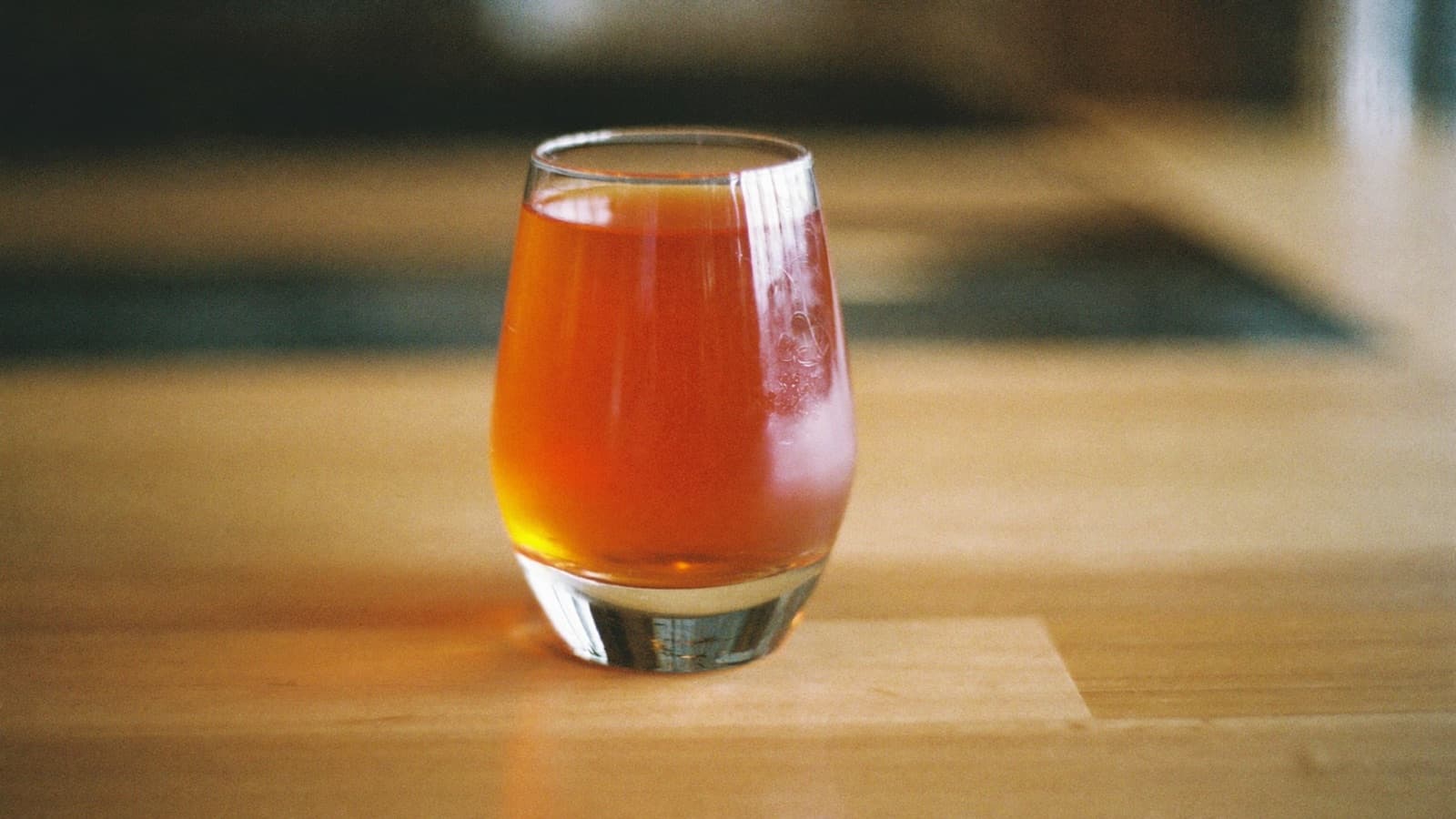
Let's get this out of the way: orange wine is not made from oranges.
It is not a wine that tastes like orange juice. It is not a Mimosa component. It is not, despite what the Instagram crowd has been implying since 2018, a vibe.
Orange wine is white wine made like red wine. That one sentence explains almost everything. Stick with us.
What Actually Makes Wine "Orange"
When winemakers produce most white wine, they press the grapes and immediately remove the skins before fermentation. The skins are where the color, tannin, and a lot of the flavor compounds live, so pulling them out early gives you a clean, pale, delicate white wine.
Orange wine leaves the skins in contact with the juice during fermentation. Sometimes for days. Sometimes for weeks. Sometimes — if the winemaker is feeling theatrical — for months in a clay amphora buried in the ground.
That extended skin contact is called maceration, and it does three things:
It turns the wine orange. The white grape skins leach pigment into the juice. Depending on the grape and the length of contact, the color ranges from pale gold to deep amber to something that looks like diluted apricot jam.
It adds tannin. Real, grippy, chewy tannin — the same structural element you associate with red wine. This is genuinely strange the first time you encounter it in what is technically a white wine.
It amplifies flavor intensity. Orange wines tend to be more savory, more textured, more present than their white-wine counterparts. Where a regular Pinot Grigio whispers, an orange Pinot Grigio leans over and tells you things.
A 4,000-Year-Old Trend
If you're skeptical that this is a fad, consider that orange wine is one of the oldest methods of winemaking on earth. The country of Georgia — the nation, not the state — has been fermenting wine in clay vessels called qvevri for at least 8,000 years. Skin contact was the original technique. The stripped, surgically pale white wine in your grocery store is the innovation.
Orange wine's modern revival started in northern Italy and Slovenia in the 1990s, picked up serious momentum in the 2000s among natural wine producers, and is now common enough that most serious restaurant wine lists have at least two options.
It is not a trend. It is the oldest thing in the building.
What Orange Wine Tastes Like
Prepare yourself, because the first sip of a good orange wine is genuinely disorienting. Your brain says white wine. The color says something else. The texture says red wine. And the flavors say:
- Dried apricot and peach skin
- Beeswax, honey, and chamomile
- Toasted almonds and walnuts
- A savory, almost salty undercurrent
- Sometimes: dried flowers, dried herbs, and a faint earthiness that feels ancient and correct
The tannins provide grip. The wine often finishes long and dry. There is nothing light and easy about it, which is either a selling point or a warning depending on your current mood.
Lighter expressions — shorter maceration, delicate grapes — will be more approachable: just a bit more texture and color than a conventional white. Darker, longer-macerated examples drink more like aged sherry or something you'd find in the cellar of a Slovenian farmhouse in the best possible way.
The Grapes That Make It Best
Orange wine can be made from almost any white grape, but some varieties shine brighter under skin contact:
Pinot Grigio from Friuli, Italy is where the modern orange wine revival began. Producers like Gravner and Radikon make versions that are worth seeking out and are not cheap but are worth it.
Rkatsiteli from Georgia is the ancestral heartland expression. Fuller, more tannic, aged in those buried qvevri. If you see a Georgian amber wine on a list, order it without hesitation.
Gewürztraminer under skin contact goes from loud to operatic. The natural rose petal and lychee aromatics get amplified into something extraordinary and polarizing.
Malvasia from Istria or Sicily turns into a rich, honeyed, nutty thing that pairs with food in ways that seem almost unfair.
Muscat makes bright, floral orange wines that are an easier entry point if you're new to the category.
Where Orange Wine Belongs at the Table
Orange wine is the most food-friendly category in the glass. Full stop. The tannin and texture let it stand up to dishes that destroy regular white wine, while the aromatics keep it from steamrolling anything delicate.
Order it with: roast chicken (especially with herbs), charcuterie boards, aged cheeses, mushroom dishes, lamb, Middle Eastern food, Indian food, Korean BBQ, and anything that involves fermented or pickled elements.
It is also the right answer for: "I can't decide between red and white," the appetizer-to-entrée transition glass, and any meal where you want people at the table to ask what they're drinking.
Skip it for: oysters (the tannins fight the brine in an annoying way), very delicate white fish, and any occasion where you need wine to disappear into the background.
How to Find a Good Bottle
At a restaurant: Ask your server or sommelier directly. Any wine program worth its corkage fee will have orange wine and will be delighted someone asked. Price range $14–$22/glass is reasonable for a good expression.
At a wine shop: Look in the natural wine section or ask for "skin-contact whites." Mention you want something not too tannic if it's your first time, or specifically ask for a Georgian wine if you want to go deep immediately.
Bottles worth finding:
- Pheasant's Tears Rkatsiteli (Georgia) — the reference point
- Movia Lunar (Slovenia) — elegant, mineral, genuinely beautiful
- Foradori Nosiola (Italy) — lighter maceration, great entry point
- Gut Oggau Winifred (Austria) — delicate and strange in the best way
- Field Recordings Skins (California) — easy to find, reasonable price, good introduction
The One Thing to Know Before You Order
Orange wine is not for every occasion. It is assertive. It has opinions. It is not the wine you order when you want something that just disappears alongside a meal.
It is the wine you order when you want the wine to be part of the conversation.
When someone at your table takes a sip and says "what is this?" — that's not a complaint. That's the wine working.
Order it. At least once. Preferably tonight.