

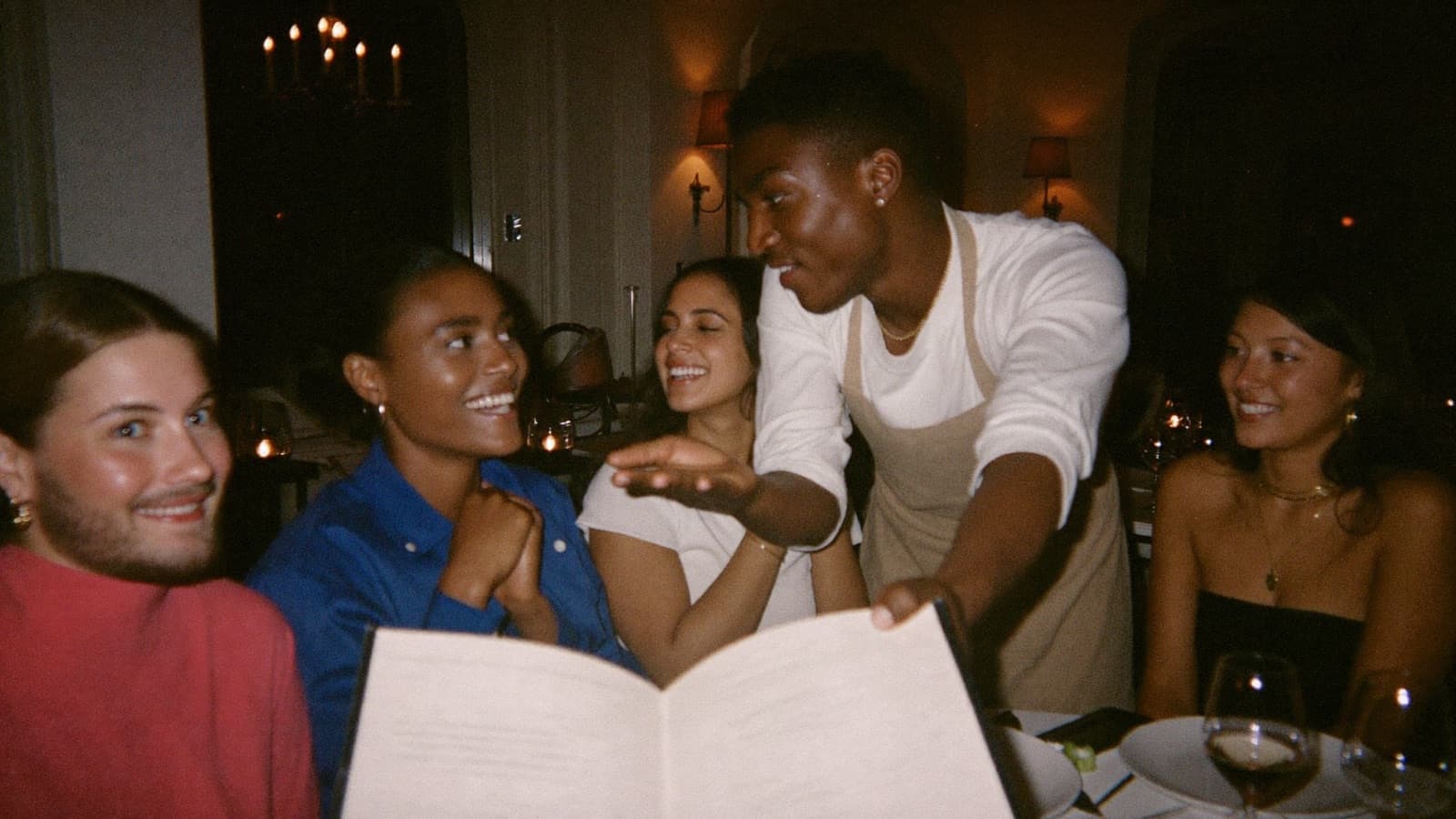
There's a person at the restaurant whose entire job is to help you find a wine you'll love at a price you're comfortable with. They've spent years studying wine so you don't have to. They've tasted every bottle on the list. They know which ones pair perfectly with the halibut and which ones will make your date's eyes light up.
And most people are too intimidated to talk to them.
The sommelier (or wine director, or knowledgeable server) is the most underused resource at any restaurant. They're not gatekeepers judging your pronunciation. They're translators, helping you turn "I don't know, something red?" into a glass of wine that's exactly right for the moment.
Here's how to have that conversation.
What a Sommelier Actually Does
A sommelier's job is not to sell you the most expensive bottle on the list. That's bad long-term business. A guest who feels upsold doesn't come back. A guest who gets a great recommendation at the right price becomes a regular.
The sommelier selects every wine on the list, trains the service staff, manages inventory, and serves as the bridge between the kitchen and the cellar. When they recommend a wine, they're considering what you're eating, what you're in the mood for, and what's drinking well right now. Their expertise is the shortcut you're not using.
Think of it this way: you wouldn't stare at a complicated menu for ten minutes trying to decode the ingredients when you could ask the chef's recommendation. The sommelier is the wine equivalent. They want to help. Let them.
The Five Phrases That Work Every Time
You don't need wine vocabulary. You don't need to know regions or grapes. You need three pieces of information: what you like, what you're eating, and what you want to spend. These five phrases cover all three.
1. "I usually drink [X], but I'm open to something new."
Example: "I usually drink Pinot Noir, but I'm open to trying something similar."
This gives the sommelier a starting point. They know your comfort zone and your willingness to explore. They might suggest a Gamay from Beaujolais (similar body, different flavor profile) or a Frappato from Sicily (lighter, with similar elegance). Either way, you're getting a recommendation calibrated to your palate, not a random guess.
2. "We're having the [dish]. What would you pair with it?"
Example: "We're splitting the branzino and the duck. What works with both?"
Food pairing is where sommeliers earn their keep. They know the menu intimately, often more than the servers do, because they've tasted every dish alongside different wines. Give them your order and let them work. The recommendation will be better than anything you'd pick from scanning the list.
3. "I'm looking for something in this range."
How to use it: Point to a wine on the list that's in your target price zone. The sommelier will read the price, not the wine, and recommend options at that level.
This is the most discreet way to communicate a budget. You never say a number out loud. You never feel awkward about spending limits. The sommelier understands the gesture instantly because they see it multiple times every night.
4. "What are you excited about on the list right now?"
This is the magic question. It gives the sommelier permission to geek out. They'll almost always point you to something interesting, well-priced, and carefully selected, often a wine you'd never have found on your own.
The "right now" part matters because wine lists change. A new arrival, a wine that's drinking particularly well this week, or a bottle the sommelier just discovered on a recent tasting can make this recommendation the highlight of your meal.
5. "We're celebrating tonight. What would make it special?"
Context changes everything. A sommelier recommending wine for a Tuesday business dinner makes different choices than one recommending wine for a wedding anniversary. Giving them the occasion lets them match the wine to the moment, not just the food.
This also opens the door for them to suggest something they'd personally choose for a celebration, which is often their most heartfelt and enthusiastic recommendation.
How to Communicate a Budget Without Saying the Number
Nobody wants to announce a spending limit at a nice restaurant. Here are four approaches that work:
The finger point. Open the wine list, put your finger on a wine near your target price, and say "I'm thinking something around here." The sommelier follows your finger to the price column, not the wine name. Understood immediately.
The bracket. Point to two wines at different price points and say "I'm looking between these two." This gives a clear range without naming a dollar amount.
The redirect. Ask "What's the best value on the list?" This implicitly says "I'm budget-conscious" without specifying a number. Sommeliers love this question because they take pride in knowing which wines overdeliver.
The honest approach. If you're comfortable, just say it: "We're looking to spend around fifty on a bottle." There is zero judgment in this. Sommeliers work with every budget every night. A good one treats a $40 recommendation with the same care as a $400 one.
The Tasting Ritual Explained
The sommelier brings the bottle, presents the label, opens it, and pours you a small taste. This sequence intimidates more people than it should.
The Presentation
They show you the label to confirm it's the wine you ordered. Check the producer name and vintage. That's all you're doing. You're not evaluating the label's design or the winery's brand story. You're confirming the order.
The Pour
You get about an ounce. This is not a sample to decide whether you like the wine. It's a quality check. You're looking for one thing: is this wine flawed?
Swirl gently. This isn't performance. It releases aromatics so you can smell the wine effectively.
Smell. If it smells like fruit, earth, spice, flowers, or basically anything that smells like wine, it's fine. If it smells like wet cardboard, musty basement, vinegar, or nail polish remover, it might be flawed.
Sip. Same thing. Does it taste like wine? Good. Does it taste like something went wrong? Flag it.
The right response for 97% of bottles: "That's great, thank you" or just a nod. The sommelier pours for the table and you're done.
Sending a Bottle Back
A bottle can legitimately be flawed. The most common issue is cork taint (TCA contamination), which makes wine smell and taste like wet cardboard or a damp basement. This affects roughly 2-3% of bottles sealed with natural cork. It's chemistry, not the restaurant's fault.
If you suspect a problem, say: "I think this might be off. Would you mind trying it?" or "Something doesn't seem right with this bottle." Any good sommelier will try the wine and either confirm your concern or gently explain what you're tasting.
What happens next: The restaurant replaces the bottle. No charge. This is standard. You are not being difficult or rude. You're using the tasting ritual for its intended purpose.
What you should NOT do: Send a bottle back because you don't love the style. If you ordered a tannic Cabernet and it tastes tannic, that's the wine being itself. The tasting pour is a defect check, not a satisfaction guarantee.
What Sommeliers Wish You Knew
Here are the things wine professionals say when asked what diners get wrong most often:
They want you to ask questions. A table that engages with the sommelier is a better experience for everyone. They didn't study for years to pour wine in silence. Give them something to work with.
They don't judge your pronunciation. Mispronouncing Gewurztraminer happens to professionals too. Point to it on the list if you're unsure. Nobody cares.
They don't judge your budget. The sommelier at a top restaurant recommends $35 bottles as enthusiastically as $350 bottles. Their job is finding the best wine at your price, not pushing you to spend more.
They notice when you skip them. If a table spends ten minutes struggling with the wine list and never asks for help, the sommelier notices. They're right there, willing and able. Use the resource.
They love the "weird" wines on their list. If a sommelier put an orange wine from Slovenia or a volcanic red from the Canary Islands on the list, it's because they love it. Ask about the unusual bottles. You'll get the most animated, genuine recommendation of the night.
Tipping on Wine
Standard tipping etiquette: tip on the full bill, wine included, at 18-20%. The sommelier's service is part of the dining experience, and the tip on wine reflects that.
For extremely expensive bottles ($200+), some diners scale back the wine tip slightly while tipping generously on the food portion. This is socially acceptable but not required. If the sommelier provided exceptional service (multiple recommendations, decanting, perfect timing on pours), a full 20% on the entire bill including wine is the right move.
If a restaurant has a dedicated sommelier who provided personalized service, it's a thoughtful gesture to thank them directly as you leave. A handshake and "that wine was incredible, thank you" means more than you'd think.
Engaging at Different Restaurant Levels
Fine Dining with a Dedicated Sommelier
Here, the sommelier is a specialist with deep knowledge. Engage fully. Tell them what you're ordering, what flavors you're drawn to, and what mood you're in. They'll do the rest. This is their element.
Mid-Range with a Wine-Knowledgeable Server
Many good restaurants don't have a dedicated sommelier, but the waitstaff has been trained on the wine list. Ask your server: "What's popular on the list right now?" or "What would you recommend with the chicken?" They may not have sommelier-level depth, but they know the list and can point you in the right direction.
Casual Spots with a Limited List
When the wine list is eight bottles and two glass options, the conversation is short. Ask: "Which of these reds do you like best?" or "What's your most popular white?" The server's personal recommendation is usually the safest bet.
The Confidence Cheat Sheet
Before your next dinner out, remember this:
The sommelier works for you. Their success is measured by your satisfaction, not by how much they upsell you. Give them three data points (what you like, what you're eating, what you want to spend) and they'll do the rest.
You don't need to know anything about wine to have a great conversation with a sommelier. You just need to know what you enjoy and be willing to say it out loud.
That's the whole secret. The rest is just a conversation between two people about something one of them loves and the other one is about to enjoy.