

You want to get into wine but every time you look at a shelf or a menu, it feels like everyone else got a manual that you missed.
Here's your manual.
No prerequisites. No shame. No weird gatekeeping about how you should have started with a "proper Burgundy." We're going to walk through the most approachable wines in every category, give you specific bottles to try, and explain how to figure out what you actually like without spending a fortune or pretending to taste "notes of crushed gravel."
Start With What's Easy to Love
Wine beginners tend to gravitate toward two things: sweetness and fruit. That's not a flaw. That's your palate telling you what it finds pleasurable. Respect it.
Over time, most wine drinkers naturally migrate toward drier, more complex wines. But trying to skip ahead to bone-dry Barolo on day one is like starting a running habit with a marathon. You'll hate it, quit, and blame the whole sport.
Start where your palate is. Move at your own pace. There's no deadline.
The Best White Wines for Beginners
Moscato d'Asti is the friendliest wine on Earth. It's slightly sweet, lightly fizzy, low in alcohol (around 5.5%), and tastes like peaches and orange blossoms. It's the wine equivalent of a warm hug. If you think you don't like wine, try Moscato before you give up.
Pinot Grigio (especially from Italy's Alto Adige or Delle Venezie) is the gateway to dry wine. It's light, crisp, clean, and almost impossible to dislike. Think of it as sparkling water's sophisticated cousin. Not challenging, not boring, just refreshingly pleasant.
Sauvignon Blanc from New Zealand (specifically Marlborough) is bright, aromatic, and bursting with passionfruit and citrus. It's dry but so fruit-forward that it doesn't feel austere. This is the wine that converts a lot of "I only drink sweet wine" people.
Riesling (off-dry styles from Germany or Washington State) offers the best of both worlds. A touch of sweetness balanced by electric acidity. German Rieslings labeled "Kabinett" or "Feinherb" are typically off-dry and absolutely delicious with food. They're also criminally underpriced for their quality.
Try this specific bottle: Look for a Riesling from Dr. Loosen, Chateau Ste. Michelle, or Pacific Rim. All under $12 and all fantastic entry points.
The Best Red Wines for Beginners
Red wine intimidates beginners more than white because tannins are an unfamiliar sensation. That grippy, drying feeling on your gums and tongue can be off-putting if you're not expecting it. The solution: start with low-tannin reds.
Pinot Noir is the red wine that converts white wine drinkers. It's lighter in body, silky in texture, and focused on red fruit (cherry, raspberry, strawberry) rather than dark, heavy flavors. Oregon and New Zealand make the most approachable versions. Burgundy makes the most revered, but save that rabbit hole for later.
Merlot got a bad reputation from that scene in Sideways, but it's one of the friendliest reds on the shelf. Soft tannins, plummy fruit, and a medium body that doesn't challenge you. Washington State and Chile make excellent Merlots under $15.
Garnacha (Grenache in French) from Spain is juicy, fruity, and barely tannic. Look for bottles from Campo de Borja or Calatayud. They'll run you $8-12 and taste like they cost three times that.
Beaujolais (made from the Gamay grape in Southern Burgundy) is the red wine for people who think they don't like red wine. Chilled Beaujolais on a warm evening is one of life's simple pleasures. Look for "Beaujolais-Villages" on the label for a step up from basic Beaujolais at a tiny price increase.
Try this specific bottle: Louis Jadot Beaujolais-Villages or Coppola Diamond Collection Merlot. Both under $15, both crowd-pleasers.
Rosé: The Bridge Wine
Rosé is not a compromise. It's a category unto itself, and it's the single best gateway for wine beginners who can't decide between red and white.
Good dry rosé (the Provence-style kind, not White Zinfandel) offers the refreshing acidity of white wine with hints of the fruit character you find in reds. Strawberry, watermelon, citrus. Light, crushable, and pairs with almost everything from salads to grilled chicken to pizza.
The key distinction: Provence-style rosé is dry and elegant. White Zinfandel is sweet and confected. Both have their place, but they're completely different experiences. If you've only had White Zin and thought "rosé isn't for me," try a dry rosé from Provence, Spain (Navarra), or the Willamette Valley. Different animal entirely.
Try this specific bottle: Whispering Angel or Château Miraval from Provence. Both around $15-20 and both excellent ambassadors for the category.
Sparkling Wine: Don't Save It for Celebrations
Sparkling wine is the most under-ordered category in restaurants, and that's a shame because it's incredibly beginner-friendly.
Prosecco is light, fruity, and slightly sweet (most Proseccos are "Extra Dry" or "Brut," which means they range from a hint of sweetness to dry). It's approachable, affordable, and perfect as an aperitif or with lighter dishes.
Cava from Spain offers more complexity than Prosecco at a similar price point. Made using the same method as Champagne (traditional method with second fermentation in bottle), Cava punches above its weight class. Great Cava for under $12 exists. Champagne for under $30 doesn't.
Try this specific bottle: Segura Viudas Brut Cava or La Marca Prosecco. Both under $13.
How to Discover What You Like
The fastest way to figure out your palate is systematic experimentation. Here's a simple method:
The Two-Bottle Test. Buy two inexpensive bottles from different categories. Say, a Sauvignon Blanc and a Chardonnay. Taste them back to back over dinner. Notice which one you reach for more often. That tells you whether you lean toward crisp/light or rich/full.
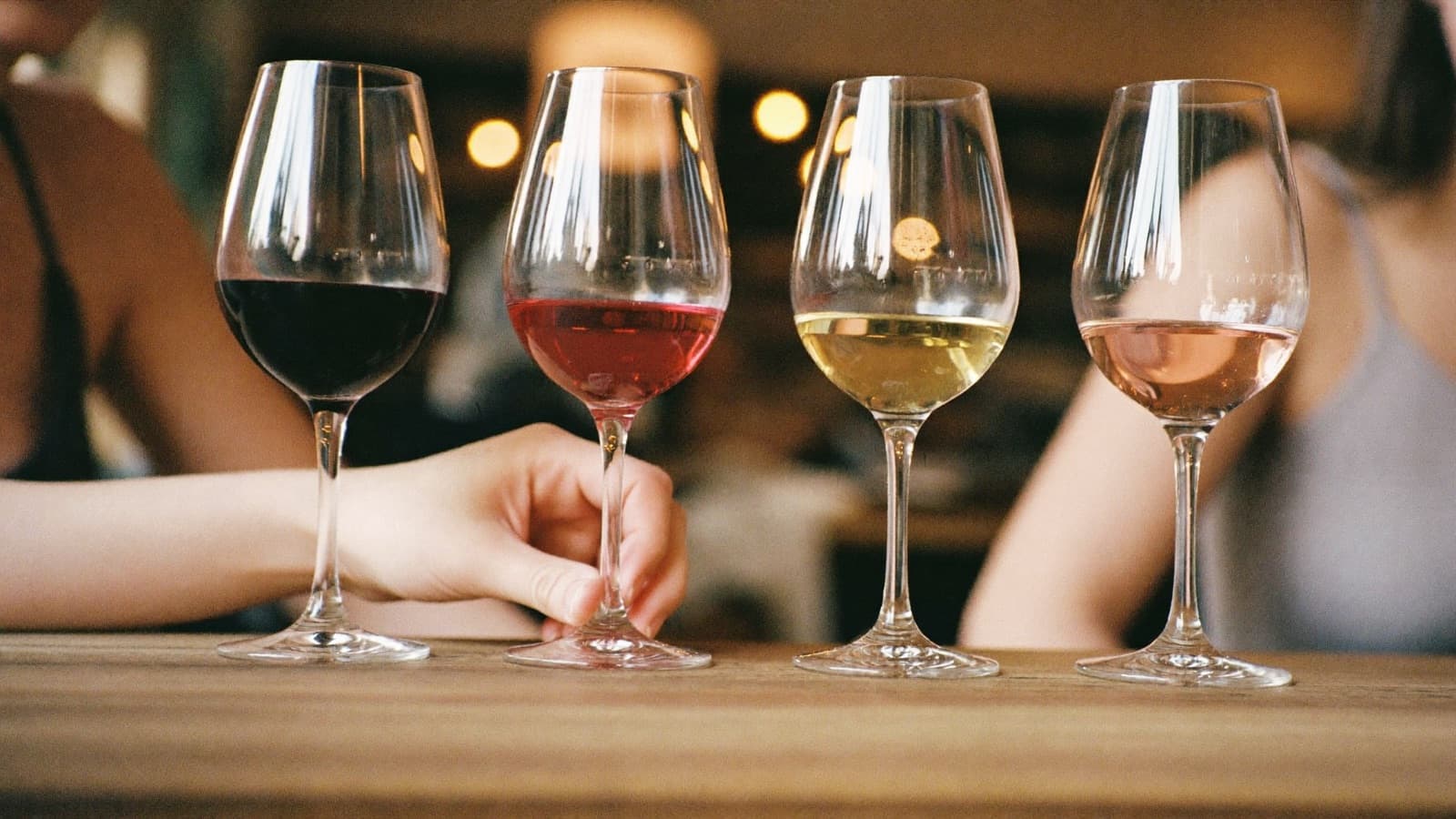
The Restaurant Flight. Many wine-focused restaurants offer tasting flights of three or four wines. This is the most efficient way to explore because you get direct comparisons with food context. Order a flight, note which glass you liked best, and remember that varietal.
The Three-Word Method. After tasting a wine, describe it with exactly three words. Don't overthink it. "Light, fruity, crisp" or "heavy, spicy, smooth" or "tart, bubbly, refreshing." Over time, you'll notice patterns in the words you use for wines you enjoy. Those patterns are your palate talking.
Apps that help: Vivino lets you scan any wine label and see ratings, prices, and tasting notes from other drinkers. It's not a substitute for your own taste, but it's useful for remembering what you've tried and finding similar wines.
A Progressive Tasting Path
If you want a structured journey from beginner to intermediate, here's a roadmap:
Week 1-2: The easy on-ramp. Moscato, Pinot Grigio, and Prosecco. Get comfortable with wine as a beverage.
Week 3-4: The dry shift. Sauvignon Blanc (New Zealand), Pinot Noir (Oregon), dry rosé. Your palate starts adapting to less sweetness.
Week 5-6: Building range. Chardonnay (unoaked), Merlot, Beaujolais. You're developing preferences within the dry category.
Week 7-8: The exploration phase. Riesling (dry German style), Garnacha, Cava. Now you're branching into varietals that will serve you well at any restaurant.
Month 3+: The rabbit hole opens. Cabernet Sauvignon, Chianti, Sancerre, Grüner Veltliner. You're ordering with confidence and starting to notice how wine changes with food.
There's no right pace. Some people spend months on Pinot Grigio and that's perfectly fine. Others blaze through this list in a week. The point is progression, not speed.
The Beginner's Cheat Sheet
| If You Like... | Try This Wine | Price Range |
|---|---|---|
| Sweet cocktails | Moscato d'Asti | $8–14 |
| Hard seltzer | Vinho Verde or Prosecco | $7–13 |
| Light beer | Pinot Grigio | $8–14 |
| IPAs (bitter/hoppy) | Sauvignon Blanc | $9–15 |
| Dark beer/stouts | Merlot or Malbec | $9–15 |
| Whiskey/bourbon | Cabernet Sauvignon | $12–20 |
| Margaritas | Dry rosé or Albariño | $10–15 |
| Nothing yet | Start with Beaujolais | $10–14 |
Your First Restaurant Wine Order
Ordering wine at a restaurant for the first time feels intimidating, but it doesn't have to be. Start with by-the-glass options. Every restaurant with a wine program offers several wines by the glass, and these are curated to be crowd-pleasers. Ask your server: "What's your most popular glass of white?" or "What's a smooth, easy-drinking red?" These are perfectly normal questions that servers hear every night.
If the list has a Pinot Grigio, a Sauvignon Blanc, and a Chardonnay by the glass, you can taste your way across the white wine spectrum in a single dinner. Same logic applies to reds: a Pinot Noir and a Malbec by the glass cover the light-to-medium range. Ordering two different glasses across courses is a smart exploration strategy, not indecision. For a full walkthrough of the process, read our guide on how to order wine at a restaurant.
Don't worry about the tasting ritual when the server pours your glass. Give it a swirl, take a sniff, take a sip, and nod. That's it. You're not judging the wine at this stage; you're checking that it's not flawed (which it won't be 97% of the time). If it smells and tastes like wine, you're good. Say "that's great" and move on with your evening.
The most important thing: there is no wrong order. The server doesn't judge you for ordering Moscato. The sommelier doesn't judge you for asking what Merlot tastes like. These are their jobs, and helping you find something you enjoy is the best part of their night. The only mistake is being too intimidated to ask.
What Not to Worry About
Wine scores. A 92-point wine is not objectively better than an 87-point wine. Scores reflect one critic's palate on one day. Your opinion is the only score that matters for your glass.
Pronunciation. Nobody expects you to nail French or Italian wine names. "Can I try the Pinot Gree-jee-oh" gets you the same wine as "Pinot Grigio" with a flawless Italian accent.
"Good taste." There's no such thing as objectively good or bad taste in wine. Some of the world's most respected winemakers drink cheap Cava on their days off. Drink what makes you happy.
Vintage years. For the wines on this list, vintage barely matters. Drink the current release and don't stress about whether 2023 was a good year in Marlborough. It was fine. It's always fine.
The only rule that matters: if you like it, it's a good wine. Everything else is just detail.