

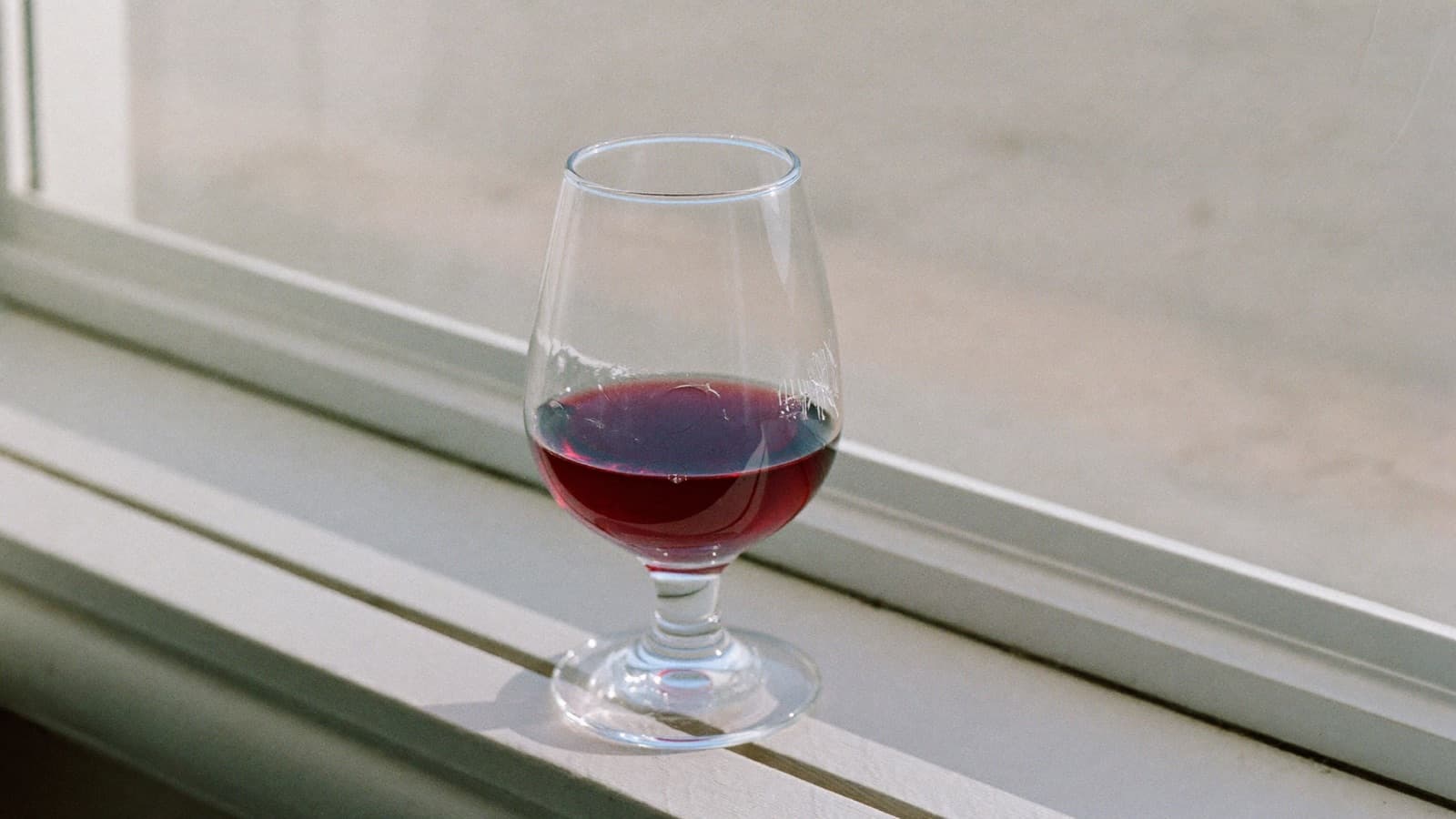
You had two glasses of red wine with dinner. You drank water. You didn't overdo it. And yet here you are at 2 AM with a headache that feels like your brain is trying to escape through your forehead.
If this sounds familiar, you've probably blamed sulfites. Everyone blames sulfites. "It's the sulfites," says your friend who read something on Instagram. "I can only drink organic wine now because of the sulfites," says your coworker.
Here's the thing: it's almost certainly not the sulfites.
The Sulfite Myth
Sulfites (sulfur dioxide, SO₂) are a preservative naturally produced during fermentation and sometimes added by winemakers to prevent oxidation and microbial spoilage. They've been used in winemaking for centuries, and they're present in virtually every bottle of wine on the planet.
The "Contains Sulfites" warning on wine labels has been required in the U.S. since 1988 for wines with more than 10 parts per million (ppm) of sulfites. This label was added to protect the small percentage of people (roughly 1%) who have a genuine sulfite sensitivity, which typically manifests as asthma-like symptoms, not headaches.
Here's the fact that blows up the sulfite-headache theory: dried fruits, deli meats, and French fries typically contain 5-10 times more sulfites than wine. A bag of dried apricots can have 2,000+ ppm of sulfites. Most wines contain 30-150 ppm. If sulfites gave you headaches, a handful of dried mango would put you in bed for a week.
White wine generally contains more added sulfites than red wine because white wines are more susceptible to oxidation. Yet red wine causes significantly more headaches than white. If sulfites were the culprit, white wine would be the bigger offender. It's not.
The Real Suspects
Research points to several more likely causes of wine headaches, and the answer is probably a combination of them.
Histamines
Histamines are naturally present in fermented foods and beverages, including wine, aged cheese, sauerkraut, and soy sauce. Red wine contains 20-200% more histamines than white wine because histamines concentrate in grape skins, and red wine has extended skin contact during production. (This is the same skin contact that produces tannins, that drying sensation in your mouth.)
Some people lack sufficient quantities of diamine oxidase (DAO), the enzyme that breaks down histamines in the gut. When histamines accumulate, they can trigger headaches, flushing, nasal congestion, and other symptoms that look a lot like what people call a "wine headache."
If you notice that you also react to aged cheese, cured meats, or fermented foods, histamine sensitivity is worth discussing with your doctor.
Quercetin and Its Glucuronide
A 2023 study from UC Davis identified quercetin glucuronide as a potential trigger for red wine headaches. Quercetin is a flavonoid found in grape skins (and many fruits and vegetables). When quercetin is metabolized in the body, it inhibits an enzyme called ALDH2, which is responsible for breaking down acetaldehyde, a toxic byproduct of alcohol metabolism.
When ALDH2 is blocked, acetaldehyde builds up, causing headaches, nausea, and flushing. This is the same mechanism that causes the "Asian flush" reaction in people with a genetic ALDH2 deficiency.
The amount of quercetin in wine varies dramatically based on grape variety, sun exposure, and winemaking practices. Red wines from sun-drenched vineyards tend to have higher quercetin levels, which may explain why some red wines trigger headaches and others don't.
Biogenic Amines (Tyramine)
Tyramine is another compound found in fermented and aged products. It can trigger headaches in sensitive individuals, especially those taking MAO inhibitors. Red wines, particularly those that have undergone malolactic fermentation (most do), contain measurable tyramine levels.
Dehydration and Alcohol
Alcohol is a diuretic. It suppresses antidiuretic hormone (ADH), causing your kidneys to excrete more water than you're taking in. Dehydration leads to headaches. This is the simplest explanation and often the most relevant one, especially when the headache arrives the morning after rather than during the meal.
A 14.5% ABV wine dehydrates you more than a 12% ABV wine, glass for glass. Higher alcohol wines are doubly problematic: more dehydration plus more acetaldehyde production.
Congeners
Congeners are byproducts of fermentation that contribute to a wine's color, flavor, and aroma. Red wines have significantly more congeners than white wines. Some research suggests that higher congener levels correlate with worse hangover symptoms, including headaches.
Why Red Wine Causes More Headaches Than White
The pattern is consistent: red wine triggers headaches more often than white. Here's why, based on what the research tells us:
Red wine has more histamines (from extended skin contact), more quercetin (from grape skins), more tyramine (from malolactic fermentation), more congeners (from skin and seed extraction), and often higher alcohol content. It's a perfect storm of compounds that can individually or collectively trigger a headache.
White wine skips most of these because the juice is separated from the skins early in the process. Less skin contact means less of everything that causes problems.
What "Contains Sulfites" Actually Means
The U.S. requires this label on any wine with more than 10 ppm of sulfites. Since virtually all wine exceeds this threshold (even "no sulfite added" wines naturally produce some during fermentation), nearly every bottle carries the label.
The maximum allowed is 350 ppm for U.S. wines, but most table wines fall in the 30-150 ppm range. By comparison, the FDA allows up to 6,000 ppm in certain dried fruits.
"Organic wine" (USDA certified) cannot have added sulfites but may contain naturally occurring ones. "Made with organic grapes" can have up to 100 ppm of added sulfites. Neither designation guarantees a headache-free experience. For a deeper dive into what these labels actually mean, see our guide on natural, organic, and biodynamic wine.
What You Can Actually Do About It
If wine gives you headaches, here are evidence-based strategies:
Hydrate aggressively. Drink a glass of water for every glass of wine. This is the single most effective prevention strategy because dehydration is almost always a factor. It's not glamorous advice, but it works.
Choose lower-histamine wines. If you suspect histamine sensitivity, try white wines, sparkling wines, or young, unoaked reds (Pinot Noir, Gamay) that undergo less skin contact and malolactic fermentation. Some people find that taking an antihistamine (like Zyrtec or Claritin) before drinking helps. Discuss this with your doctor first.
Try lower-alcohol wines. Less alcohol means less dehydration, less acetaldehyde production, and fewer calories as a bonus. Wines under 13% ABV are a good starting point.
Avoid cheap bulk wine. Mass-produced wines sometimes contain higher levels of residual chemicals, higher sulfites, and lower-quality ingredients. This isn't always the case, but the correlation is real enough to be worth noting.
Keep a wine diary. If certain wines consistently give you headaches and others don't, tracking the specific wines helps identify your triggers. Note the varietal, region, vintage, and alcohol level.
Eat before and during drinking. Food slows alcohol absorption, giving your body more time to process acetaldehyde and other byproducts.
Skip the sugar bombs. Sweet wines with high alcohol are the worst combination for headache risk. High sugar can contribute to inflammation, and high alcohol accelerates dehydration.
The Headache Trigger Cheat Sheet
| Suspect | Found In | Mechanism | More Common In |
|---|---|---|---|
| Histamines | Grape skins, fermentation | Accumulate if DAO enzyme is low | Red wine |
| Quercetin glucuronide | Grape skins (sun exposure) | Blocks ALDH2, builds acetaldehyde | Sun-exposed red grapes |
| Tyramine | Fermented/aged products | Vasoactive amine | Reds with malolactic fermentation |
| Alcohol (dehydration) | All wine | Suppresses ADH, causes water loss | Higher ABV wines |
| Congeners | Fermentation byproducts | Complex metabolism | Red wine |
| Sulfites | Preservative | Asthma-like reaction (rare) | White wine (higher levels) |
Wine Headaches and Restaurant Dining
Understanding headache triggers changes how you order at restaurants. The first move is checking ABV on the wine list. Most restaurant lists print it, and if they don't, the bottle will. Choosing a 12.5% Pinot Noir over a 15% Barossa Shiraz reduces your dehydration risk substantially and gives your body less acetaldehyde to process over the course of dinner.
Ordering by the glass is a headache-prevention strategy disguised as wine exploration. Instead of committing to a full bottle, ordering two different glasses lets you pace yourself more naturally. You also get a built-in break between pours while the server brings the next glass. Many people find that slowing their consumption this way eliminates the headache entirely.
Ask your server about lighter-bodied reds if you want to stay in the red wine lane. Pinot Noir, Gamay (Beaujolais), and Grenache-based blends like Côtes du Rhône tend to be lower in histamines, tannins, and alcohol than Cabernet Sauvignon or Syrah. A good server will point you toward the right section of the list.
The simplest restaurant hack: order a bottle of sparkling water alongside your wine and alternate sips. This isn't amateur behavior. It's what sommeliers do when they're tasting through dozens of wines in a day. Hydration is the single most effective defense you have, and it costs nothing.
The Bottom Line
Wine headaches are real, frustrating, and almost never caused by sulfites. The more likely culprits are histamines, quercetin, dehydration, and the combined effects of multiple compounds that are more concentrated in red wine than white.
If you get wine headaches, start with hydration and portion control. If that doesn't help, experiment with lower-histamine whites and sparkling wines. If you want to stay with reds, try lighter styles (Pinot Noir, Gamay, Beaujolais) from cooler climates with lower alcohol.
And stop blaming the sulfites. They've been taking the fall for histamines and quercetin for decades, and it's time to set the record straight.