

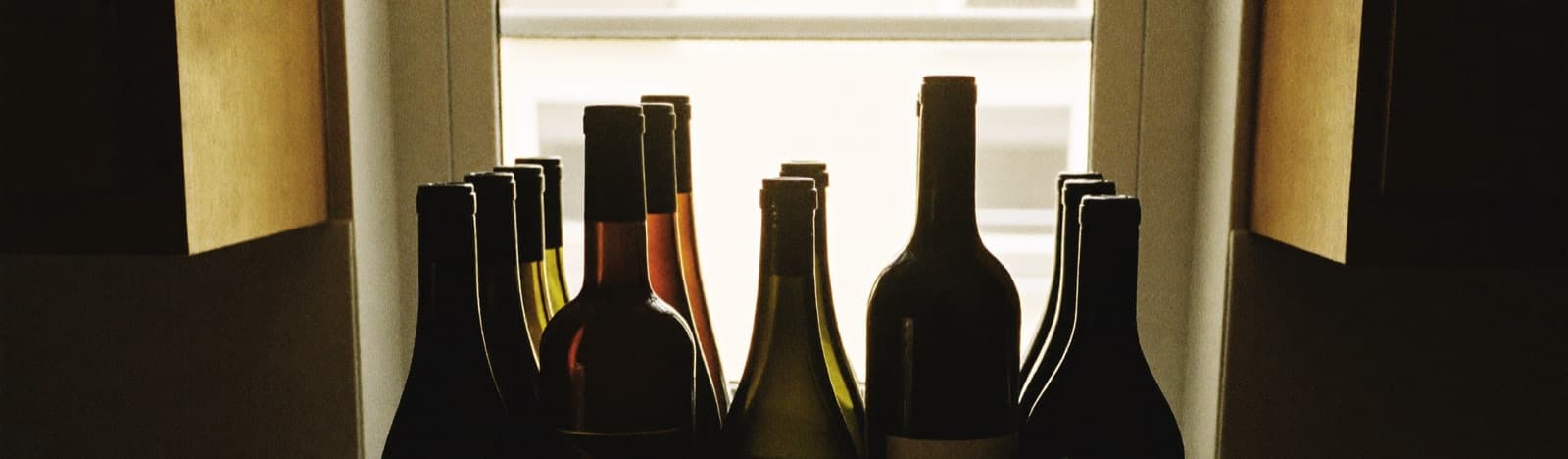
The phrase "wine collection" conjures a damp stone cellar, a leather-bound inventory ledger, and a retired executive with too much time. None of that is required.
A home wine collection is just having the right wine available when you want it. That's it. The sophistication level and the budget are entirely up to you. What matters is the system — a simple framework for what to buy, how much, and for what occasion.
Most people don't have a system. They have an accumulation: bottles that were gifts, bottles that seemed like a deal, bottles they bought at a winery in 2019 that they've been saving for a special occasion that keeps not feeling special enough.
Let's fix that.
The Four-Slot Framework
Think of your wine collection not as a quantity but as four categories, always stocked, always ready:
Slot 1: The Weeknight Red (2–4 bottles) Something you can open on a Tuesday without ceremony. Approachable, food-friendly, not precious. This is the bottle that says yes to pasta, yes to pizza, yes to "I've had a day."
Great choices: Côtes du Rhône ($14–$18), Cru Beaujolais ($18–$25), Langhe Nebbiolo ($20–$30), anything labeled Mencia or Grenache from Spain in the $15–$22 range.
Keep 2–4 bottles, restock when you get to 1.
Slot 2: The Weeknight White (2–4 bottles) Same idea, opposite color. The bottle for the weeknight dinner that needs something crisp and clean, the spontaneous aperitivo, the warm weather nothing-in-particular glass.
Great choices: Muscadet ($12–$15), Grüner Veltliner ($14–$18), Vermentino ($14–$20), dry Riesling from Alsace ($18–$24), Sancerre if you're feeling flush ($28–$35).
Slot 3: The Occasion Bottle (2–4 bottles) Something that says "we're celebrating something." Not necessarily expensive — a $35 bottle can feel like an occasion if the occasion is the right one and the wine is genuinely special. This slot is for the promotion, the birthday, the Friday you made it through the week, the dinner party where the host wants to bring something impressive.
Great choices: Barolo or Barbaresco ($45–$75), aged white Burgundy ($50–$80), Champagne or a serious Crémant de Bourgogne ($35–$65), a good Napa Cabernet if that's your idiom ($55–$80).
Restock this slot any time it empties. Don't let it stay empty for more than a week.
Slot 4: The Long Game (4–8 bottles) Wines you're not drinking yet. Things with enough structure and acidity to improve over 3–10 years. This is where the collection becomes interesting — having bottles you bought at $30 that are worth $50 in experience value by the time you open them.
Great candidates: Young Barolo or Brunello ($50–$80), Northern Rhône Syrah — Crozes-Hermitage or Saint-Joseph ($35–$55), aged-worthy Riesling from Germany ($25–$45), structured white Burgundy ($40–$70), Ridge Geyserville or a serious Zinfandel ($40–$60).
Label these clearly. Put a target date on them. Pull one every few months just to see where it is. This is the part that turns a wine supply into an actual collection.
The Starting List: 12 Bottles That Cover Everything
If you're building from zero, buy these in this order:
- Côtes du Rhône Rouge (E. Guigal or Château Pesquié) × 2 — weeknight red, ~$15
- Cru Beaujolais (Morgon or Fleurie from Georges Duboeuf or Jean-Paul Brun) × 2 — weeknight red alternative, ~$18
- Grüner Veltliner (Loimer or Schloss Gobelsburg) × 2 — weeknight white, ~$16
- Dry Alsatian Riesling (Trimbach or Hugel) × 2 — weeknight white alternative, ~$20
- Crémant de Bourgogne (Louis Bouillot) × 1 — occasion sparkling, ~$22
- Langhe Nebbiolo (Elvio Cogno or Vietti) × 2 — occasion red with legs, ~$25
- Barolo (any Vietti, Mascarello, or Giacomo Conterno village-level) × 1 — long game, ~$50–$65
Total investment: approximately $280–$320 for a genuinely functional wine collection.
This covers every scenario from Tuesday pasta to Saturday celebration to "I've been sitting on this for two years and tonight's the night."
The Rules for Not Messing It Up
Drink things before they die. The number one mistake in home wine collections is hoarding. Most wine is not built for 15 years of aging. Most wine is built for 3–7 years, if that. When in doubt, open it.
Rotate. Buy wines with a purpose. When you open from a slot, restock it. The collection should be a living system, not a museum.
Don't over-cellar. "I'm saving this for a special occasion" is sometimes code for "I'm never opening this." Set a mental rule: nothing stays more than 5 years without a good reason, and the reason should be specific ("this Barolo wants 8 years, I bought it in 2024, it comes out in 2032").
Have at least one bottle of bubbles always. Something to celebrate with, something to start a dinner, something for the unexpected good news. A $22 Crémant in the fridge is one of the highest-return investments in domestic happiness.
The Warehouse Club Detour
Costco is, genuinely, one of the best wine retailers in the United States. Their buying team is legitimate, their margins are lower than specialty retailers (they cap margin on wine), and they regularly stock interesting producers that would cost 20–30% more elsewhere.
If you have a Costco card and you're building a wine collection: do your tasting research online, then buy your cases there. The Kirkland Signature Champagne is made at Taittinger. The Kirkland Napa Cab is made at a serious facility. They are not fooling around.
The Tracking System You'll Actually Use
You don't need a spreadsheet. You need a note on your phone with four categories matching the four slots.
That's the whole system:
- Weeknight Red: [current bottles and count]
- Weeknight White: [current bottles and count]
- Occasion: [current bottles and count]
- Long Game: [bottle, vintage, pull date]
Update it when you buy. Check it before you shop. Open things.
A 24-bottle collection, well organized, is infinitely more useful than a 200-bottle collection that's a mystery every time you open the fridge.
Start with 12. Drink them. Restock. Repeat.
That's a wine collection.