

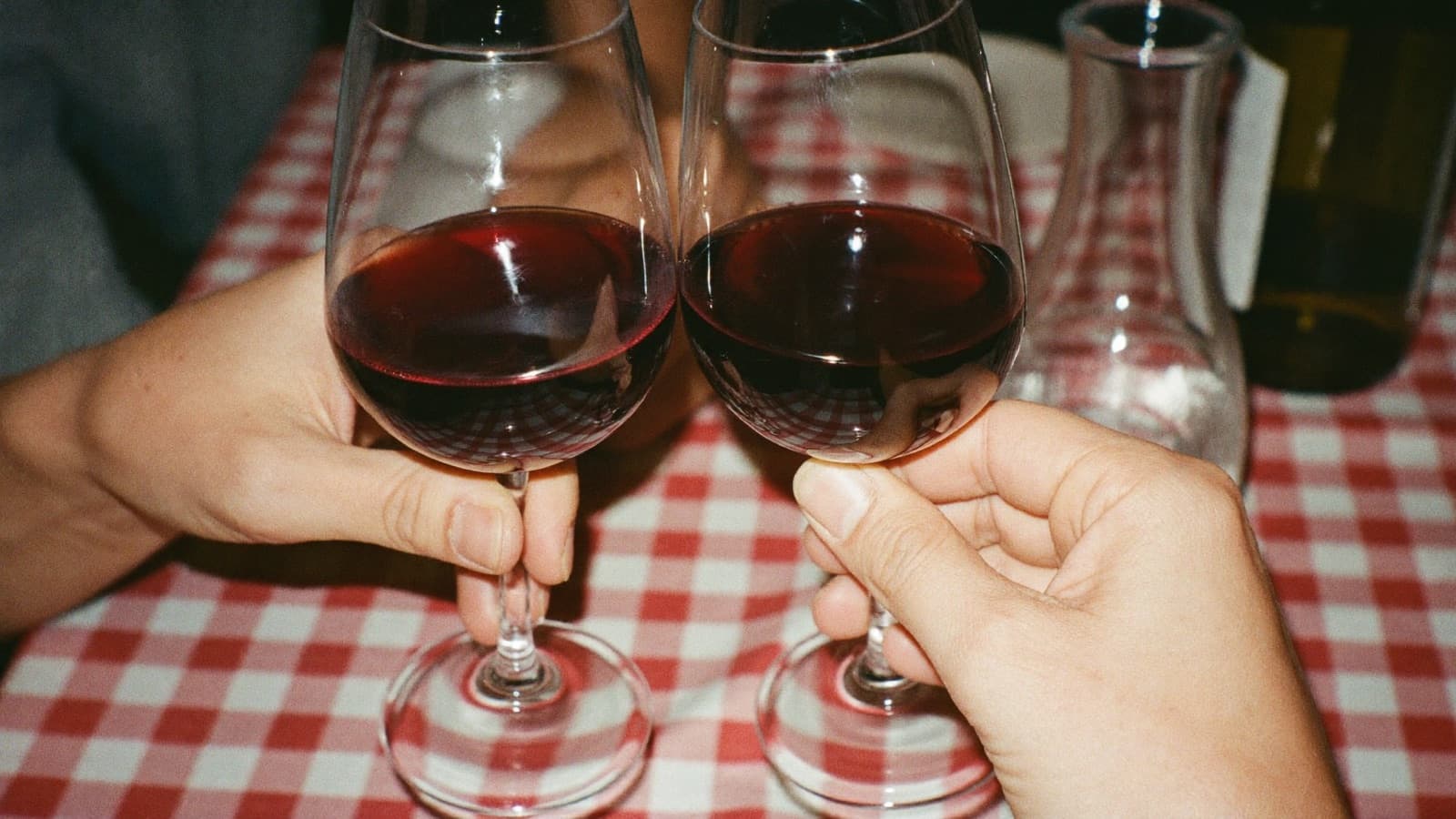
The sweet spot of wine buying sits between $11 and $20 a bottle. Below $8, you're rolling the dice. Above $25, you're often paying for branding, scarcity, or vineyard prestige rather than proportionally better liquid in the glass.
The $11-20 range is where quality meets value at its most reliable. Here's what to buy. If you're just starting your wine journey, many of these selections overlap perfectly with what beginners should explore—you can build confidence and taste broadly without breaking the bank.
Why the Under-$20 Range Works So Well
At this price point, you're getting wines from established producers who can afford quality fruit and competent winemaking but don't have the overhead of luxury marketing, famous winemakers, or limited-production mystique.
You're also getting the benefit of competition. The under-$20 shelf is the most crowded section in any wine shop. Producers know they have to deliver or get replaced by the next bottle over. That competitive pressure keeps quality remarkably high.
The regions that dominate this range share something in common: lower land costs, lower labor costs, or both. Argentina, Chile, Portugal, Spain, and Southern France can produce excellent wine for less because it costs less to operate there.
Best Value Red Wines Under $20
Côtes du Rhône (Southern France) — $10-16
Grenache, Syrah, and Mourvèdre blended into something warm, spicy, and deeply satisfying. Côtes du Rhône is the workhorse red of France, and the quality floor is remarkably high. E. Guigal's Côtes du Rhône is the benchmark at around $13: dark fruit, pepper, herbs, and a finish that overdelivers for the price.
Argentine Malbec — $9-16
Malbec found its home in Mendoza, and the wines are lush, plummy, and silky at every price point. Altos del Plata, Catena, and Bodega Norton all produce Malbecs under $15 that would embarrass many wines twice their price. Look for Malbec from Luján de Cuyo or the Uco Valley for extra concentration.
Rioja Crianza (Spain) — $10-18
Tempranillo aged for at least 12 months in oak and 12 months in bottle before release. That aging requirement means you're getting a more polished, complex wine than most sub-$20 reds. CUNE (Cvne) Crianza, Marqués de Cáceres, and Beronia are all reliable and widely available.
Beaujolais-Villages (France) — $11-16
Made from Gamay in Southern Burgundy, Beaujolais-Villages is juicy, fruity, low in tannin, and endlessly versatile. It's the red wine for people who want something lighter without sacrificing character. Louis Jadot and Georges Duboeuf make consistently good bottles. Serve it slightly chilled.
Portuguese Reds (Douro, Alentejo, Dão) — $8-15
Portugal is the single most undervalued wine country on the planet right now. Indigenous grape blends (Touriga Nacional, Tinta Roriz, Trincadeira) produce reds with remarkable depth, earthy complexity, and full body at prices that don't make sense. Quinta do Crasto, Herdade do Esporão, and Niepoort's Fabelhaft are starting points.
Best Value White Wines Under $20
New Zealand Sauvignon Blanc — $10-16
Marlborough Sauvignon Blanc is the global benchmark for the varietal. Intensely aromatic, bursting with passionfruit and citrus, and reliably delicious. Kim Crawford, Oyster Bay, and Cloudy Bay (slightly above $20 but often on sale) are all excellent.
Spanish Albariño — $10-16
From Rías Baixas in Galicia, Albariño delivers citrus, stone fruit, and a saline minerality that makes it perfect with seafood. Martín Códax and Do Ferreiro are two producers that reliably deliver at this price.
Vinho Verde (Portugal) — $7-12
Light, slightly effervescent, low in alcohol, and absurdly cheap for how enjoyable it is. Vinho Verde is summer in a glass and pairs with everything from shrimp to salads to sitting on a patio doing nothing. Broadbent and Aveleda are widely available.
Mâcon-Villages (Burgundy) — $12-18
Chardonnay from Southern Burgundy without the Burgundy price tag. Unoaked or lightly oaked, with green apple, lemon, and mineral character. Louis Latour and Joseph Drouhin both make excellent versions that prove you don't need to spend $40 for good white Burgundy.
Grüner Veltliner (Austria) — $10-16
White pepper, green apple, citrus, and a crisp finish that makes it one of the most food-friendly whites on earth. Grüner is the house wine of Vienna for a reason. Laurenz V, Hugl, and Loimer are easy to find and easy to love.
Best Value Rosé Under $20
Côtes de Provence — $12-18
The spiritual home of dry rosé. Pale pink, bone dry, with watermelon, peach, and herbal notes. The price has crept up with rosé's popularity, but plenty of excellent bottles live in this range. Château Miraval (Brad Pitt's rosé), Studio by Miraval, and AIX all deliver the Provence experience without breaking $20.
Navarra (Spain) — $8-13
Spain's answer to Provence rosé, and often better value. Made primarily from Garnacha, these rosés are dry, fruity, and absurdly cheap. Gran Feudo is available everywhere and usually under $10.
Best Value Sparkling Wine Under $20
Cava (Spain) — $8-14
Made using the same traditional method as Champagne (second fermentation in bottle), but at a fraction of the price. Good Cava is toasty, nutty, and bone dry. Segura Viudas, Freixenet, and Codorníu are all reliable. The best Cavas are Reserva or Gran Reserva, aged longer for more complexity.
Crémant (France) — $12-18
France's "other" sparkling wines. Crémant d'Alsace, Crémant de Bourgogne, and Crémant de Loire are all made using the traditional method in regions outside Champagne. They're the closest thing to Champagne quality at a fraction of the price. Lucien Albrecht and Louis Bouillot are go-to producers.
Prosecco (Italy) — $10-16
Lighter, fruitier, and more approachable than Champagne. Prosecco is the perfect aperitif and brunch wine. Look for "Prosecco Superiore DOCG" from Valdobbiadene or Conegliano for a step up from basic Prosecco at a minimal price increase.
The Value Regions Cheat Sheet
| Region | What They Do Best | Why It's Cheap |
|---|---|---|
| Portugal (Douro, Alentejo) | Complex reds, Vinho Verde | Low land/labor costs, undervalued market |
| Spain (Rioja, Rueda, Navarra) | Aged reds, crisp whites, rosé | Strict aging laws mean free bottle aging |
| Southern France (Languedoc, Rhône) | Full reds, versatile blends | Overproduction keeps prices competitive |
| Argentina (Mendoza) | Malbec, Torrontés | Low production costs, strong vineyards |
| Chile (Central Valley, Maipo) | Cab, Sauvignon Blanc | Perfect climate, low costs |
| Austria | Grüner Veltliner | Underappreciated outside Europe |
| New Zealand | Sauvignon Blanc | Competitive export market |
How to Spot Quality Signals on a Budget Bottle
Look for a specific subregion. "Mendoza" is better than "Argentina." "Côtes du Rhône Villages" is better than "Côtes du Rhône." More specific geography usually means stricter quality standards. When you're reading a wine label at a shop or restaurant, this geographic specificity is one of your most reliable quality indicators.
Check for aging designations. A Rioja Crianza ($14) has been aged for two years before you buy it. That's free aging the producer paid for. Same with Reserva wines from Spain and Riserva from Italy.
Consider the producer's track record. At the under-$20 level, brand reliability matters more than individual vintage. If you've liked a producer's wine once, you'll probably like it again.
Don't ignore screw caps. Screw cap closures have nothing to do with quality. Many premium producers use them because they eliminate cork taint and keep wine fresher. Some of the best wines under $20 come with screw caps, especially from New Zealand and Australia.
Finding These Wines at Restaurants
Restaurant wine lists operate under different economics than retail shops, and value wines are treated accordingly. Understanding how restaurants source and price wines helps you navigate their lists strategically.
Restaurant markups on wine are steep. A wine that costs $12 retail might appear on a restaurant wine list for $35-45. That's not arbitrary; it reflects how restaurants calculate pricing. Most follow a three-to-four-times-cost markup for wine, which means they're applying similar logic to budget wines and premium wines. The silver lining: this markup is relatively uniform, so the value ratios you find at a wine shop largely hold at restaurants too. That Portuguese red that overdelivers at $14 retail? It still overdelivers at $40 on a wine list, just like a $15 Côtes du Rhône still offers exceptional value at $45.
Which of these categories actually appear on restaurant wine lists? Almost all of them. Côtes du Rhône and Spanish Rioja are steakhouse staples. Argentine Malbec shows up everywhere, especially at Latin and steakhouse concepts. Portuguese wines are increasingly common as sommeliers wake up to the value. New Zealand Sauvignon Blanc is on nearly every list. The budget sparkling wines—Cava, Crémant, Prosecco—are where restaurants genuinely shine for value, since these categories don't carry the same cachet as Champagne but offer remarkable quality. By-the-glass programs frequently feature these sparklings, and you'll find they're priced more reasonably than still wines on a per-glass basis.
The most sophisticated restaurant ordering move is this: look for Côtes du Rhône and Malbec by the glass. These two categories appear on nearly every restaurant wine list, they're reasonably priced even for individual pours, and they're delicious with nearly every dinner scenario. A Côtes du Rhône works with steak, seafood, pasta, and vegetables. Malbec is the ultimate steakhouse pairing but also shines with grilled chicken and hearty appetizers. If you're not sure what to order and you see either of these on the by-the-glass list, you're making the move that experienced restaurant diners make every night.
For wine pairing dinners and multi-course meals, ask your sommelier about glass-by-glass value plays rather than committing to full bottles. Many restaurants will build a pairing program around regional, lesser-known producers that deliver remarkable quality at lower price points. You get the full pairing experience without the premium-label markup. This is where restaurant wine programs truly earn their value—they have access to wines you won't find easily at retail, and smart sommeliers can build extraordinary meals around these discoveries.
Great wine under $20 isn't a compromise. It's a strategy. The producers and regions on this list have been delivering outstanding value for decades, and they show no signs of stopping. Buy with confidence at home, order with confidence at restaurants, and drink with pleasure everywhere.